
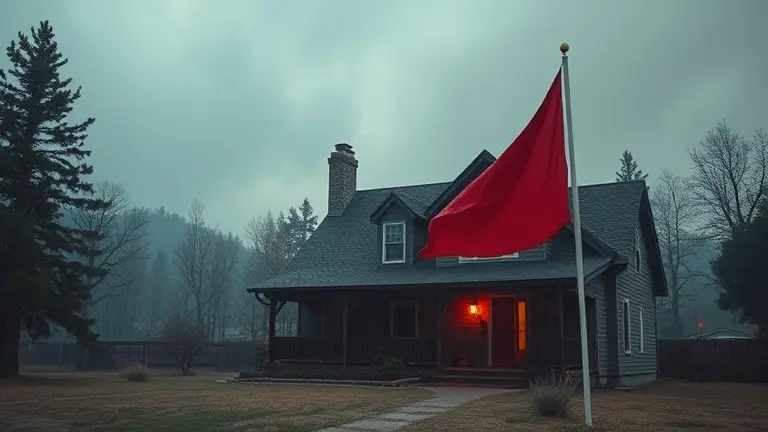
When a Red Flag Warning flashes across your weather app, it is more than just a notification—it is a critical signal that the environment around your home has reached a dangerous tipping point. As of June 2026, communities across the Western United States are facing a convergence of low humidity, parched vegetation, and high-velocity winds that turn small sparks into uncontrollable threats. Understanding that these NWS alerts represent imminent, high-stakes conditions is the first step toward effective wildfire preparedness, moving you from passive concern to proactive safety.
However, simply watching the weather report is not enough. True defense requires a comprehensive approach to home hardening—the practice of fortifying your property’s exterior against flying embers and radiant heat. By shifting our focus from reactionary panic to strategic, structural resilience, we can dramatically increase a home’s chances of survival. This guide will help you bridge the gap between official warnings and tangible action, empowering you to create a safer environment for your family before the next red flag is hoisted.
Understanding Current Red Flag Warnings: Why Your Region Is at Risk

As of June 2026, the National Weather Service (NWS) has issued a series of urgent alerts across several states, including Arizona, Colorado, Utah, and Alaska. These red flag (fire weather) warning notices serve as formal notifications that meteorological conditions have converged to create an extreme risk for rapid wildfire spread. When authorities issue a Red Flag Warning, it indicates that the environment is primed for fire ignition, and even a minor spark could escalate into a major incident within minutes. These warnings are not mere suggestions; they represent the highest level of concern regarding regional fire danger during the current peak fire season.
The Meteorological “Perfect Storm”
The ongoing warnings are driven by a specific, dangerous combination of atmospheric factors. For a Red Flag Warning to be issued, meteorologists monitor three critical components:
- High Temperatures: Unusual heat levels that dry out vegetation, turning grass and brush into highly flammable fuel.
- Very Low Relative Humidity: Moisture levels often dipping into the single digits, which makes ambient air aggressively draw water out of forest fuels.
- Strong, Gusty Winds: Sustained wind speeds and erratic gusts that provide the necessary oxygen to drive flames and carry embers over vast distances, often bypassing traditional firebreaks.
The convergence of these conditions across diverse geographies—from the arid landscapes of the Southwest to the drying interior of Alaska—highlights the widespread nature of current climate stressors. This synchronization of hazardous weather creates a high-stakes environment for emergency management agencies. By identifying these patterns early, the NWS aims to prioritize public safety and force local jurisdictions to implement fire restrictions. Residents in these affected areas must treat these warnings as a call to heightened vigilance, as the current state of the vegetation and the forecast wind speeds create a window of maximum vulnerability for wildfire ignition and growth.
Watch vs. Warning: Decoding NWS Alert Terminology

Understanding the difference between National Weather Service (NWS) alert levels is vital for personal safety during peak wildfire season. When you see notifications regarding fire danger, it is essential to distinguish between a Fire Weather Watch and a red flag (fire weather) warning. These terms are not interchangeable; they signify different levels of urgency and require distinct levels of readiness from residents living in high-risk zones across the United States.
A Fire Weather Watch serves as a “heads-up” that meteorological conditions—such as high temperatures, extremely low humidity, and strong, gusty winds—are favorable for the rapid spread of wildfires within the next 12 to 48 hours. It does not mean a fire is currently occurring, but rather that the environment is primed for one. During a Watch, you should review your emergency evacuation plan, confirm your “go-bag” is packed, and stay tuned to local news or weather radio for updates.
In contrast, a red flag (fire weather) warning is the highest level of alert issued by the NWS. This indicates that critical fire weather conditions are currently occurring or are imminent, typically within the next 24 hours. Because the risk of ignition and rapid fire spread is at its peak, local authorities often trigger strict fire restrictions during this period. When a red flag warning is in effect, residents must exercise extreme caution.
Critical Behavioral Differences
- During a Watch: Focus on preparation. Ensure your home is clear of flammable debris, check that your emergency alerts are active, and monitor weather forecasts closely.
- During a Warning: Focus on action and prevention. Strictly adhere to all local burn bans, avoid activities that create sparks (such as using lawn equipment in dry grass or welding), and be prepared to evacuate at a moment’s notice if local emergency services issue an order.
By recognizing the escalation from a Watch to a Warning, you can proactively manage your risk, protect your property, and ensure your family is ready for any developments in the fire environment.
Hardening Your Home: Actionable Steps for Wildfire Defense
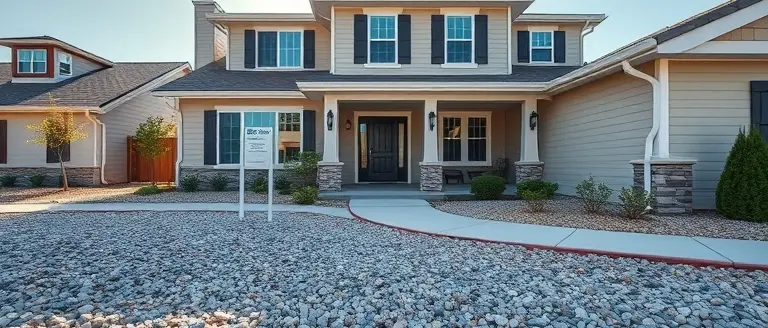
When the National Weather Service issues a red flag (fire weather) warning, the primary objective for homeowners is to reduce the ignitability of their property. Hardening your home involves creating “defensible space” and sealing potential entry points for embers, which are often the primary cause of structure ignition during wildfires. By taking proactive measures, you significantly decrease the risk that a small, wind-blown ember will ignite your residence.
Creating Immediate Defensible Space
The “ignition zone” refers to the area within 5 feet of your home’s foundation. During a red flag warning, you should immediately prioritize the following actions to minimize fire spread:
- Remove Dry Vegetation: Clear all dead grass, dried leaves, and flammable vegetation within a 5-foot perimeter of the structure.
- Clear Roof and Gutters: Remove pine needles, dry leaves, and any accumulated debris from roof valleys and gutters. These materials act as fuel beds for landing embers.
- Manage Flammable Materials: Move firewood stacks, propane tanks, and outdoor furniture away from the house and into a garage or an area at least 30 feet from the structure.
- Secure Vents: Ensure that all exterior vents are covered with high-quality, corrosion-resistant metal mesh screens (with a mesh size of 1/8 inch or smaller). This prevents embers from entering crawl spaces or attics.
Strategic Property Maintenance
Beyond immediate mitigation, hardening your home is a continuous process of reducing fuel loads. Evidence suggests that even small gaps in exterior maintenance can become critical vulnerabilities during peak fire weather. Keep your landscaping trimmed, prune low-hanging branches that could act as ladder fuels, and maintain a clear, non-combustible zone around your home’s perimeter. By systematically addressing these zones, you provide first responders with a better chance of defending your property should a fire event occur in your vicinity. Always stay tuned to local fire information portals to understand specific local restrictions that may apply during high-wind conditions.
Stay Informed: Accessing Localized Emergency Notification Systems

When a red flag (fire weather) warning is issued by the National Weather Service (NWS), real-time communication becomes your most critical asset. Relying solely on television or radio news is often insufficient during fast-moving wildfire events. To maintain optimal safety, you must actively subscribe to localized emergency notification systems managed by your county or municipal emergency management office. Most regions across the United States, particularly those prone to high fire danger, utilize “reverse 911” systems that push voice, text, and email alerts directly to your mobile devices the moment an evacuation order is triggered.
How to Secure Your Emergency Alerts
To ensure you receive life-saving information, take the following steps today:
- Visit the NWS Dashboard: Start at weather.gov to identify your local NWS forecast office. These regional portals provide the most accurate, hyper-local data regarding current fire weather conditions.
- Register for Local Alerts: Search your county or city website for an “Emergency Notification System” or “Everbridge” portal. Signing up for these services is essential to receive location-specific data that goes beyond general broadcast warnings.
- Leverage Official Mobile Apps: Many states offer dedicated wildfire monitoring apps, such as those provided by state forestry departments (e.g., akfireinfo.com for Alaska). These platforms often map active perimeters and provide real-time updates on containment status.
- Follow Official Social Media Accounts: Verified accounts for your local sheriff’s department and fire protection district often serve as the primary source for the most immediate, boots-on-the-ground evacuation intelligence.
By configuring these systems before an emergency occurs, you reduce the risk of missed communications. Remember that a red flag warning is a formal meteorological alert meant to prompt immediate vigilance; ensuring your digital connectivity is prioritized is the first step in effective fire season preparedness. Do not wait for a formal notice to test these systems; check your registration status annually to ensure your contact information remains current.
Build Your Defenses Before the Next Warning
Preparation is the most powerful tool you have against the uncertainty of fire season. We have covered the critical importance of understanding NWS alerts, maintaining your defensible space, and why hardening your home is a non-negotiable step in modern wildfire safety. While clearing brush is your first priority, hardening your home’s exterior with fire-resistant wooden structures is the next essential step in creating true defensible space.
Construction can be daunting, but it doesn’t have to be a source of frustration. This is where precision meets protection. Whether you are building a fire-resistant gate, a sturdy raised garden bed, or a protective fence, you need a plan that ensures structural integrity and safety. Our professional blueprints provide the technical engine to move from identifying risks to executing high-quality home improvements that stand the test of time.
By utilizing these 16,000 workshop-tested plans, you eliminate the guesswork and technical stress of amateur construction, ensuring your home is built to protect what matters most. Don’t wait for the next red flag to realize your home could be better fortified; start your projects today with the right specifications.
 Download these precise fire-safety construction plans to ensure your home-hardening projects are built to last and protect.Secure My Home with These Plans!