

The gaming world shifted on its axis during the Summer Game Fest 2026, as ArenaNet finally lifted the veil on the most anticipated title in the franchise’s history: Guild Wars 3. Moving far beyond the familiar boundaries of the current MMO landscape, this reveal confirms a bold, 1,000-year prequel setting that essentially hits the reset button on Tyrian history. By simultaneously announcing a multi-platform release for PC and PlayStation 5, ArenaNet isn’t just launching a sequel—they are redefining the architectural foundation of what a modern, cross-platform MMO looks like in a post-GW2 era.
As we transition from the initial shock of the announcement trailer into a period of deep-dive analysis, the focus must shift toward understanding the implications of this prequel timeline and the technical demands of a 2027+ launch. This is no longer about mere speculation; it is about mapping the evolution of mechanics, UI/UX adaptations for console, and the inevitable shift in the traditional MMO business model. For the veteran community, navigating these changes requires more than just enthusiasm—it demands absolute clarity to decipher how these fundamental shifts will redefine our gameplay experience for the next decade.
The Dawn of Tyria: Analyzing the Guild Wars 3 Announcement
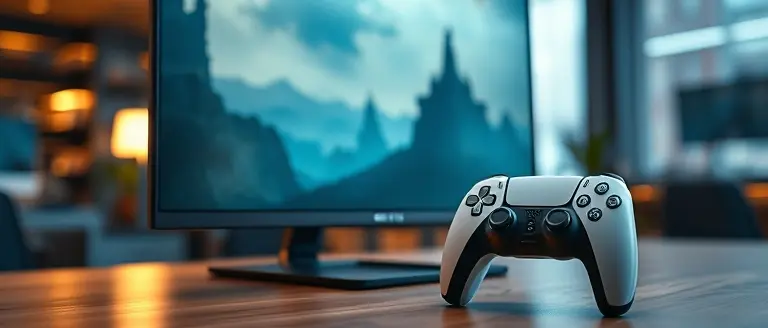
The official unveiling of Guild Wars 3 at Summer Game Fest 2026 marks a definitive turning point for ArenaNet, shifting the conversation from years of community speculation to concrete reality. By positioning gw3 as a prequel set 1,000 years before the events of the original title, the developers are effectively wiping the slate clean for both new players and veteran fans. This temporal reset offers a unique opportunity for world-building, allowing the studio to redefine the magical history of Tyria without being tethered to the expansive, often complex lore established in Guild Wars 2. This strategic decision suggests a “modern evolution of the MMO” that prioritizes accessibility and mechanical refinement over the heavy baggage of two decades of episodic expansions.
A Multi-Platform Evolution
The reveal that guild wars 3 will launch simultaneously on PC and PlayStation 5 is perhaps the most significant departure from the franchise’s historical footprint. This cross-platform ambition necessitates a complete overhaul of traditional input methods and interface design. Fans have already taken to forums like r/PS5 to dissect what this means for core gameplay, specifically concerning controller support and the potential for a more streamlined, action-oriented UI.
Key takeaways from the initial reveal include:
- The Prequel Setting: A clean slate occurring 1,000 years prior to the original series, ideal for franchise newcomers.
- Console Accessibility: The official announcement confirms a dedicated PS5 version alongside the PC release, signaling a shift toward a broader, controller-native audience.
- The Development Horizon: With the beta scheduled for Fall 2027, ArenaNet has established a long-term roadmap that emphasizes technical polishing and engine stability over a rushed launch.
- Modernized Engine: Expectations are high that the jump to a new engine will resolve the performance bottlenecks that have long hindered the aging infrastructure of the current series.
As the industry pivots toward this 2027 release window, the focus for the community now shifts toward analyzing how this “modern evolution” will translate to endgame systems and the traditional MMORPG business model. By combining the deep lore roots of the original games with current-gen technical standards, ArenaNet is clearly betting that guildwars3 can bridge the gap between classic MMO complexity and modern player expectations.
1,000 Years Before the Pact: What the Prequel Setting Means for Lore
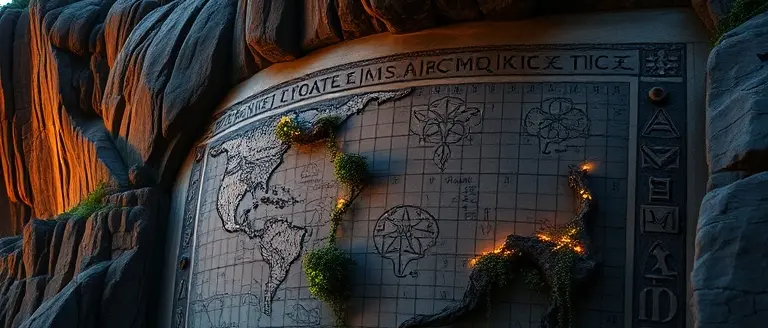
The announcement of Guild Wars 3 as a prequel set 1,000 years before the events of the current timeline offers a radical narrative reset that effectively decouples the franchise from the heavy constraints of the Elder Dragons and the modern technology seen in Guild Wars 2. By shifting the setting back a millennium, ArenaNet is moving away from the industrialization of Tyria, forcing players to engage with a more primal, foundational era. For veterans, this represents a significant shift: gone are the high-tech Asuran waypoints and the complex geopolitical landscape of the Pact. Instead, we are likely to explore the untamed frontier of early human expansion and the forgotten precursors to the modern races.
Exploring a Primal Tyria
This prequel setting allows the developers to recontextualize the magic system. Without the centralized influence of the known Elder Dragons, magic in gw3 could be more wild, unstable, or governed by entirely different cosmological laws. Key lore implications include:
- Eras of Ancient Civilizations: The potential to witness the rise of lost kingdoms or early human history, filling gaps that were previously only hinted at in scrolls or environmental storytelling.
- Magic and Origins: A deeper investigation into the primordial source of magic in Tyria, possibly focusing on the Mists or early elemental deities that existed long before the modern lore established in the original guild wars.
- Geographical Shifts: Because this era predates major geological events, the map of Tyria may look entirely unrecognizable, offering a fresh perspective on familiar locales like Ascalon or Kryta.
For the modern guildwars3 community, this structural change acts as a “lore-lite” entry point. It creates a cleaner slate, allowing the narrative to focus on the origins of the world rather than the exhaustion of existing plot threads. By focusing on this earlier epoch, guild wars 3.com and official lore sources suggest that the studio intends to rebuild the sense of wonder and mystery that first drew players to the franchise, proving that the guildwars3 universe has untapped potential long before the current heroes of Tyria ever took their first steps.
Console Evolution: How PS5 Integration Will Redefine Combat Mechanics

The announcement of Guild Wars 3 arriving on PlayStation 5 marks a seismic shift for the franchise, signaling that ArenaNet is moving beyond the legacy limitations of the aging engine found in Guild Wars 2. Integrating a complex MMORPG into the PS5 ecosystem requires more than just a port; it demands a fundamental redesign of the user interface (UI) and user experience (UX) to accommodate controller-based inputs. Unlike the keyboard-heavy setups of traditional PC gaming, the shift to gw3 implies a more fluid, action-oriented combat system designed for haptic feedback and ergonomic play. By prioritizing controller support from the ground up, the developers are likely aiming for a tighter, more responsive “modern evolution of the MMO” that bridges the gap between PC precision and console accessibility.
Redefining Combat for the Controller
Transitioning to the PS5 suggests that combat mechanics will lean heavily into directional movement and active targeting. To maintain the depth that veterans of the guild wars series expect, ArenaNet must tackle several design challenges:
- Radial Menus and Ability Binding: Expect a shift away from massive hotbars toward intelligent, context-sensitive radial menus that utilize the PS5 controller’s triggers and bumpers to maximize skill accessibility.
- Dynamic Targeting Systems: To compete with titles like Final Fantasy XIV or The Elder Scrolls Online, the game will likely introduce “soft-lock” or aim-assist features that keep the fast-paced, high-mobility combat of the series intuitive on a controller.
- UI/UX Scalability: The interface will require high-contrast, scalable elements that remain legible on living room television displays, moving away from the dense, list-heavy UI found in previous iterations.
Whether ArenaNet implements cross-play remains a top question for the community. If implemented, they will face the challenge of platform-specific balancing to ensure that mouse-and-keyboard players on PC do not maintain an unfair advantage over controller-wielding console users. As we look toward the Fall 2027 beta, the success of guildwars3 will hinge on how effectively these UI changes preserve the intricate skill rotations and tactical combat depth that defined the original games while catering to a new generation of console-based players.
The Road to Fall 2027: Managing Expectations for the Long Wait
The official confirmation of guild wars 3 has ignited the community, yet the path to the Fall 2027 beta window presents an eighteen-month developmental horizon. For fans of the franchise, this extended waiting period is a strategic necessity rather than a delay. ArenaNet is clearly prioritizing a high-fidelity experience that bridges the gap between traditional PC-centric MMOs and the modern demands of the PlayStation 5 ecosystem. By anchoring the development timeline to a late 2027 window, the studio is signaling a commitment to deep technical optimization, likely focusing on controller-native UI/UX and a cross-platform architecture that feels seamless on both consoles and desktops.
Navigating the Transition from GW2
While the wait for gw3 may feel extensive, this period serves as a critical bridge for veteran players. ArenaNet’s history suggests that the developer may implement “legacy rewards” or narrative tie-ins within Guild Wars 2 to honor long-term player dedication. Community members should view the coming months as an opportunity to:
- Refine Lore Knowledge: Revisit the foundational narratives of the original Guild Wars to better understand the 1,000-year prequel setting.
- Monitor Official Channels: Keep a close watch on guildwars3.com for periodic developer diaries, which will likely detail the “modern evolution of the MMO” promise and how it differentiates from current industry standards.
- Prepare for Multi-Platform Play: Consider how the shift to PS5 integration might necessitate new control schemes, a significant departure from the current engine used in Guild Wars 2.
Ultimately, the development of guild wars 3 represents a monumental leap for the franchise. The deliberate, measured pace of pre-production and testing suggests that the team is avoiding the pitfalls of rushed MMO launches. As we progress toward the first public testing phases, the community should focus on providing constructive feedback, ensuring that the legacy of the guild wars series remains intact while embracing the massive technical advancements planned for this next-generation title.
Mastering the New Era of Tyrian History
The transition to the era defined by Guild Wars 3 represents the most significant paradigm shift for ArenaNet to date. From the technical leap required to support a modern PS5 engine to the complex narrative threads of a pre-history setting, the scale of information ahead is immense. As we dive deep into the thousand-year history of Tyria and the technical evolution of the game, keeping your focus sharp is essential for mapping out these complex changes. Dissecting the nuances of these upcoming mechanics requires sustained mental performance, as the dense lore and systemic overhauls can easily lead to cognitive fatigue for even the most dedicated ‘lore-hunters.’
This is where The Brain Song becomes an indispensable tool in your analytical arsenal. Specifically formulated to cut through the ‘brain fog’ that often accompanies processing massive amounts of technical data, this cognitive performance accelerator is designed to optimize your learning capacity. By integrating this into your study of the new game engine and lore shifts, you transform the act of reading into an optimized, high-fidelity experience, ensuring that you retain every critical detail needed to stay ahead of the curve as we approach the Fall 2027 beta.
Don’t just watch the history of Tyria unfold; master the details behind the curtain. Elevate your analytical sessions and ensure your focus remains razor-sharp through every technical breakdown and developer update. The future of the franchise is complex, but your ability to understand it doesn’t have to be.
 Optimize your focus for the upcoming lore deep-dives and technical breakdowns with The Brain Song.Yes, I Want To Sharpen My Focus Now!