
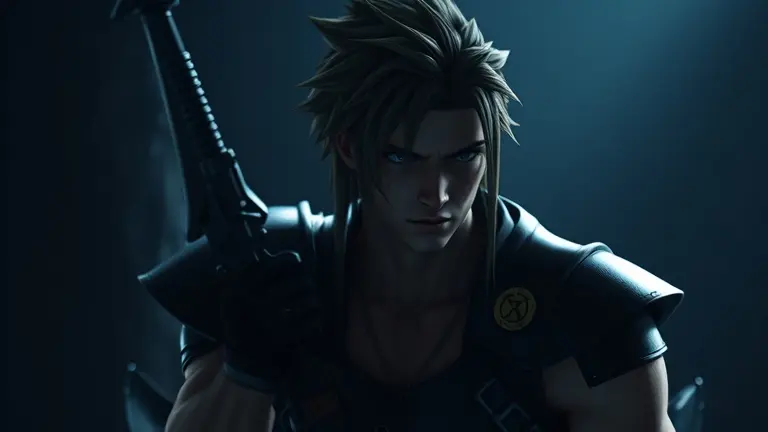
The wait is finally over, and the curtains have been pulled back on the most anticipated climax in modern gaming history. Revealed during the Summer Game Fest on June 5, 2026, Final Fantasy VII: Revelation stands as the monumental concluding chapter of Square Enix’s ambitious remake trilogy. With a targeted release set for Spring 2027, the announcement has ignited a firestorm of excitement, not just for its promise of narrative closure, but for a revolutionary platform strategy that breaks the cycle of exclusivity. By launching simultaneously on PlayStation 5, Xbox, PC, and the cutting-edge Switch 2, Square Enix is finally inviting every fan to the table at once.
However, the shift toward multi-platform availability is only the beginning. As we pivot toward the final resolution of the Remake and Rebirth meta-narrative, the community is already dissecting every frame of the trailer for clues. With voice acting legend Matthew Mercer joining the cast and the technical potential of the Switch 2 entering the discourse, the complexity of this finale is unprecedented. Unraveling these deep, layered secrets requires more than just passion; it demands a level of mental acuity that can synthesize complex lore puzzles into a cohesive vision of the trilogy’s end.
Final Fantasy VII: Revelation Unveiled: The Trilogy Concludes in Spring 2027

The gaming community reached a fever pitch during the Summer Game Fest 2026 showcase as Square Enix officially confirmed the long-awaited conclusion to its ambitious Final Fantasy VII remake trilogy. The final chapter, titled Final Fantasy VII: Revelation, is set to bring the complex meta-narrative of Cloud Strife and his allies to a definitive close. Square Enix has solidified a Spring 2027 release window, providing fans with a concrete timeline to prepare for the end of this cinematic journey. This announcement puts an end to years of speculation regarding the series’ final installment, confirming that the developers intend to reconcile the divergent paths established in Remake and Rebirth.
A New Era of Multi-Platform Accessibility
A defining shift in the FF7 revelation announcement is the departure from traditional exclusivity deals. Unlike previous entries, this title will launch simultaneously across all major gaming ecosystems. This strategic move is designed to unify the player base, ensuring that fans on various platforms can experience the conclusion at the same time. The confirmed launch platforms include:
- PlayStation 5: Continuing the franchise’s historical home.
- Xbox: Providing long-awaited access for the broader console market.
- PC: Ensuring high-fidelity options for desktop gamers.
- Switch 2: Marking a significant milestone for Nintendo’s next-generation hardware.
Casting Updates and Narrative Expectations
Adding to the excitement, industry veteran Matthew Mercer has been officially confirmed to join the voice cast for Final Fantasy VII: Revelation. His inclusion has sparked intense speculation regarding the identity of the character he will portray, especially as the plot moves toward the series’ emotional climax. The Final Fantasy VII community has already begun analyzing the initial trailer footage, theorizing how the narrative will bridge the gap between the original PlayStation classic and the reality-bending events introduced in the modern trilogy. With its simultaneous release and high-stakes storytelling, Final Fantasy VII: Revelation is positioned to be one of the most significant releases in the history of the final fantasy franchise.
Breaking Down the Summer Game Fest Trailer: Narrative Clues and Speculation

The Summer Game Fest reveal of Final Fantasy VII: Revelation provided a dense tapestry of visual storytelling that suggests a radical departure from the original 1997 source material. The trailer opens with a lingering shot of the Lifestream, but unlike in previous entries, the mako energy appears fractured and unstable, mirroring the breakdown of reality teased in Rebirth. Analytical viewing of the frame-by-frame sequences suggests that Cloud Strife is experiencing “memory hemorrhaging,” with visual glitches appearing whenever he approaches Sephiroth. This implies that the final conflict will not merely be a physical battle but a metaphysical struggle to preserve the timeline itself. The inclusion of Matthew Mercer in the cast, rumored to be voicing a manifestation of the planet’s will or an alternate version of a classic antagonist, adds weight to the theory that Revelation will tackle the series’ meta-narrative head-on.
Key Narrative Foreshadowing
- The Fractured Lifestream: Visual cues in the trailer indicate that the Lifestream is no longer acting as a repository for souls but as a prison, suggesting that the “revelation” of the title may involve a collapse of the cycle of life and death.
- The Cloud and Sephiroth Dynamic: The footage emphasizes a symmetry between the two characters, hinting that the “final” confrontation will force Cloud to confront the literal shadow of his past, possibly involving a reality-bending sequence inside the Northern Crater.
- Atmospheric Decay: The environments shown—ranging from a withered Midgar to a distorted Gaia—suggest that the damage to the world’s ecosystem has reached a point of no return, forcing the party to seek a resolution that transcends the original ending of final fantasy 7.
The trailer effectively sets the stage for a high-stakes conclusion, positioning final fantasy vii revelation as the definitive end to the remake trilogy. By weaving together elements of existential dread and character-driven conflict, Square Enix has signaled that the Spring 2027 release will prioritize emotional closure over mere spectacle. Fans should look closely at the “glitch” artifacts in the footage; they appear to be deliberate artistic choices that foreshadow the ultimate fate of the cast in this final chapter of the ff7 saga.
The End of Exclusivity: What the Multi-Platform Launch Means for Fans

The official announcement of Final Fantasy VII: Revelation during the Summer Game Fest 2026 shattered a long-standing industry precedent: Square Enix’s reliance on console exclusivity. By confirming that the final chapter of the final fantasy 7 trilogy will launch simultaneously on PlayStation 5, Xbox, PC, and the highly anticipated Switch 2, the publisher is signaling a massive shift in its distribution strategy. This move directly addresses the player alienation felt during the release of the previous two entries, where Xbox and Nintendo users were left on the sidelines. For a franchise as storied as final fantasy, this inclusive approach ensures that the conclusion of such a complex meta-narrative is accessible to the widest possible audience at launch.
Why Multi-Platform Access Matters
The decision to abandon exclusivity for ff7 revelation serves several critical functions for both the developer and the community:
- Unified Community Experience: Simultaneous global releases prevent “spoiler culture” from fracturing the fanbase, allowing all players to experience the conclusion of the final fantasy vii saga at the same time.
- Technical Scalability: By optimizing for a diverse range of hardware—from high-end PCs to the mobile-hybrid capabilities of the Switch 2—Square Enix demonstrates confidence in its engine’s scalability.
- Mitigating Platform Fatigue: By releasing ff7 on every major platform, the studio eliminates the frustration of hardware-gated content, fostering goodwill and potentially boosting lifetime sales for the entire trilogy.
This strategic pivot suggests that Square Enix recognizes the changing landscape of the gaming market. By removing barriers, they are not only maximizing the reach of final fantasy 7 revelation but also ensuring that the cultural impact of this massive narrative project isn’t dampened by limited hardware availability. For fans who have waited years for the final act, this simultaneous release marks the most player-friendly development in the history of the final fantasy remake project.
Predicting the Climax: Solving the Final Fantasy VII Meta-Narrative

The announcement of Final Fantasy VII: Revelation has sent the community into a frenzy, primarily because this final chapter must reconcile the escalating meta-narrative complexities introduced in the previous entries. Since the inception of the remake project, the divergence from the 1997 Final Fantasy VII plot—most notably through the intervention of the Whispers—has left players questioning the sanctity of the original timeline. Evidence suggests that Revelation will serve as the ultimate convergence point, where the battle between fate and free will finally reaches its zenith. Fans are analyzing every frame of the Summer Game Fest footage to determine if Cloud and his allies are truly breaking away from the predestined tragedy of the source material or if they are inadvertently walking into a more sophisticated trap laid by Sephiroth.
The Role of Matthew Mercer and Narrative Speculation
The confirmation that Matthew Mercer will join the cast has fueled intense speculation regarding his character, with many fans theorizing he may voice a pivotal, potentially antagonistic, or multiversal entity essential to the story’s conclusion. As we look toward the Spring 2027 release, several key plot threads require resolution:
- The Fate of the Whispers: Will the remnant of the arbiters of fate be defeated entirely, or is the “Revelation” an admission that the timeline has been irrevocably shattered?
- Narrative Divergence: Analysts expect Revelation to feature a split ending, potentially allowing players to influence whether the narrative honors the iconic 1997 conclusion or cements a brand-new, original destiny for the party.
- Meta-Narrative Integration: The trilogy’s self-awareness regarding its own existence as a “remake” suggests that the final act will bridge the gap between the FF7 original canon and this new, expanded multiverse.
Ultimately, Final Fantasy VII: Revelation is positioned to redefine how we view the legacy of the original title. By launching simultaneously on all platforms, including the Switch 2, Square Enix is ensuring that the entire gaming community can witness the resolution of this complex, decade-spanning narrative journey at the exact same time.
Mastering the Secrets of the Final Chapter
As we march toward the Spring 2027 release of Final Fantasy VII: Revelation, the depth of the narrative threads—from the multiverse implications of the previous entries to the mysteries surrounding the new cast—is truly staggering. To fully grasp how these intricate character arcs and lore elements resolve, fans need to move beyond casual viewing and engage in high-level analytical synthesis. Connecting the dots between trailer hints and established meta-narrative patterns is the ultimate challenge for the dedicated theorist.
Unraveling the deep, meta-narrative layers of the final chapter requires a sharp, focused mind; many dedicated theorists use this audio routine to maintain the mental clarity needed for such detailed breakdowns. The Brain Song acts as your cognitive accelerator, providing the enhanced focus and mental processing speed necessary to interpret subtle narrative hints that others might miss. By integrating this routine into your pre-analysis sessions, you ensure your theories are not just speculation, but the product of a finely tuned, sharp, and attentive intellect.
Aligning your analytical process with the right mental tools is the only way to truly master the lore before the final game hits our screens. Optimize your focus and master the lore of FF7 Revelation with The Brain Song—start your 12-minute daily routine today.
 Optimize your focus and master the lore of FF7 Revelation with The Brain Song—start your 12-minute daily routine today.Sharpen My Mind for the Finale