
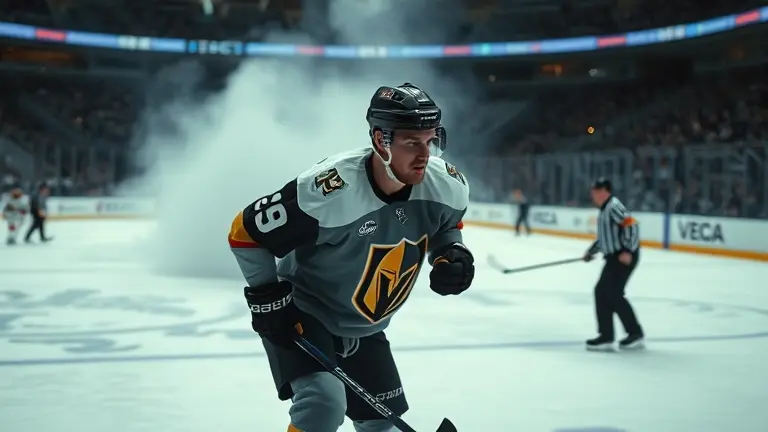
The intensity of the 2026 Stanley Cup Final reached a harrowing peak during Game 2, when Vegas Golden Knights stalwart defenseman Brayden McNabb was forced from the ice following a devastating 87 mph slapshot directly to the face. The collision, delivered by Carolina’s Nikolaj Ehlers, sent shockwaves through the arena, leaving fans and analysts alike questioning the defensive stability of the Knights as they navigate the remainder of this high-stakes series. As the team travels back to Las Vegas, the immediate concern is not merely the short-term lineup adjustment, but the long-term medical prognosis for a player who has become the backbone of their defensive unit.
While official updates from the organization remain measured, the reality of facial trauma in the NHL mandates a rigorous return-to-play protocol, particularly when dental and sinus structures are involved. Beyond the speculation of fracture timelines, understanding how the team manages McNabb’s recovery—and the tactical fallout of his absence—is essential for grasping the Golden Knights’ outlook. We are diving into the medical implications of this injury and how the team plans to reorganize their defensive pairings to maintain their championship momentum.
Brayden McNabb Injury Update: Incident Overview from Game 2
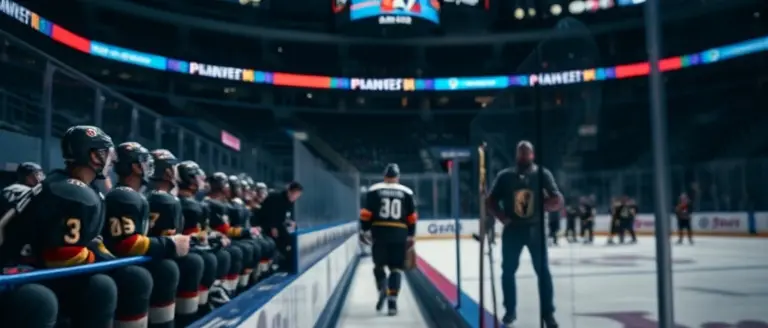
The Vegas Golden Knights faced a harrowing moment during Game 2 of the 2026 Stanley Cup Final on June 4, when veteran defenseman Brayden McNabb sustained a serious facial injury. The incident occurred during the opening period of play against the Carolina Hurricanes. As Carolina forward Nikolaj Ehlers unleashed a powerful 87 mph slapshot toward the net, the puck struck McNabb directly in the face, causing an immediate cessation of play. The severity of the McNabb puck to face impact was evident instantly, as he required urgent medical attention before being transported to a local medical facility for professional evaluation and observation.
Official Status and Recovery Timeline
Following the game, concerns regarding the Brayden McNabb injury dominated discussions surrounding the series. While initial reports sparked widespread speculation, the organization has maintained a professional and measured approach to public disclosures. As of June 5, 2026, the Las Vegas Golden Knights confirmed that McNabb has been cleared to travel back to Las Vegas with the team. Head coach John Tortorella has addressed the media, explicitly categorizing McNabb’s status as “day-to-day” as the team prepares for the next leg of the Stanley Cup Final.
Key takeaways regarding the current situation include:
- Medical Evaluation: McNabb was hospitalized immediately following the hit to rule out severe fractures or orbital damage.
- Travel Logistics: His ability to join the team charter signals a positive step in his recovery process, though it does not guarantee immediate availability for Game 3.
- Coaching Transparency: The team is prioritizing official medical protocol over external speculation, ensuring that his return will only occur once he satisfies the league’s strict health benchmarks.
As the series shifts back to Las Vegas, the focus remains on whether McNabb’s defensive consistency and physical presence can be recovered in time for the next contest. The organization continues to evaluate the situation daily, with further updates expected pending his response to medical protocols.
Defensive Reliability: Analyzing McNabb’s Metrics
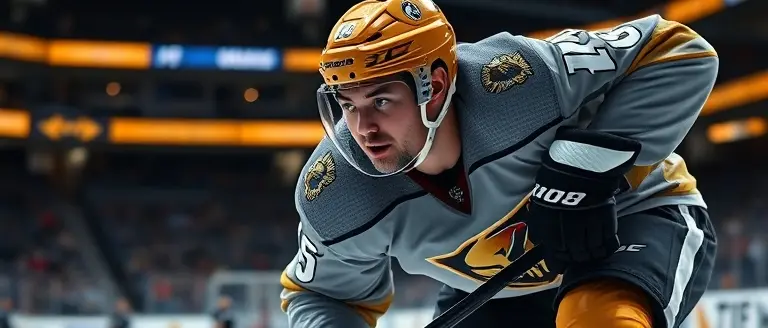
To understand the gravity of the Brayden McNabb injury, one must look beyond the immediate shock of the puck to the face and examine his underlying impact on the Las Vegas Golden Knights defensive infrastructure. Throughout the 2026 postseason, McNabb has functioned as the team’s primary defensive anchor, logging an average ice time (TOI) that frequently exceeds 21 minutes per game. His presence is not merely about duration; it is about his elite proficiency in high-leverage situations, particularly his role as a staple on the penalty-killing units. McNabb’s ability to suppress high-danger scoring chances while maintaining a clean defensive zone exit strategy makes him a cornerstone of the Golden Knights’ tactical success.
Tactical Synergy and Defensive Depth
The statistical profile of McNabb reveals why his potential absence in Game 3 of the Stanley Cup Final poses a significant challenge for the coaching staff. His metrics for shot-blocking and physical engagement are among the highest on the roster, providing the necessary grit to neutralize aggressive forechecking teams like the Carolina Hurricanes.
- Defensive Zone Transition: McNabb consistently ranks in the top tier for controlled exits, minimizing the time the opposition spends in the Vegas defensive zone.
- Pairing Synergy: His long-standing partnership with his defensive partner has provided the team with a reliable safety net, allowing the Golden Knights’ offensive-minded defenders more freedom to join the rush.
- Penalty Kill Reliability: With a high percentage of successful clears under pressure, his vacancy forces a reshuffling that risks overextending the remaining defensive corps.
If McNabb is unable to suit up, the team must rely on depth adjustments to maintain defensive stability. The challenge lies in replacing a player who contributes not just in traditional box score metrics, but through the “quiet” work of stick placement and positional awareness that keeps the Las Vegas Golden Knights competitive against elite talent. Every minute he is sidelined increases the burden on the remaining roster, making his return-to-play status a primary concern for the team’s championship aspirations.
Strategic Implications for the Vegas Golden Knights Defensive Lineup
The potential absence of Brayden McNabb following his harrowing injury in Game 2 creates a significant tactical void for the Las Vegas Golden Knights. As a defensive anchor known for his physical presence and shot-blocking ability, McNabb’s status for Stanley Cup Final Game 3 remains a critical variable for the coaching staff. If he is unable to dress, the team will be forced to restructure their defensive pairings, likely relying on an “all-hands-on-deck” approach to mitigate the high-velocity transition offense employed by the Carolina Hurricanes.
Tactical Adjustments and Defensive Depth
Should McNabb be ruled out, the Golden Knights will likely lean on elevated ice time for their top-four defenders. The coaching staff must prioritize the following adjustments to maintain coverage:
- Increased Workload: Expect top-pair defenders to absorb an additional 3–5 minutes of ice time. This transition requires careful load management to prevent fatigue during the high-pressure environment of the Final.
- Pairing Restructuring: Management may shift defensive assignments to ensure a veteran presence is paired with younger depth players, protecting against defensive lapses in their own zone.
- Third-Pair Utilization: The seventh defenseman on the roster will likely be integrated into a limited, specialized role, specifically for defensive-zone starts to allow the top pairings to rest.
The Vegas Golden Knights defensive lineup depends heavily on structure and gap control. Without McNabb’s specific ability to clear the front of the net and neutralize board battles, the team must prioritize puck possession to reduce defensive zone exposure. While the Brayden McNabb injury update remains “day-to-day,” the team’s ability to remain disciplined against the Hurricanes’ active forecheck will be the deciding factor in maintaining their series momentum. Coaches are expected to confirm the final roster configuration shortly before puck drop, following final medical assessments of the squad.
Looking Toward Stanley Cup Final Game 3: Resilience and Adjustments
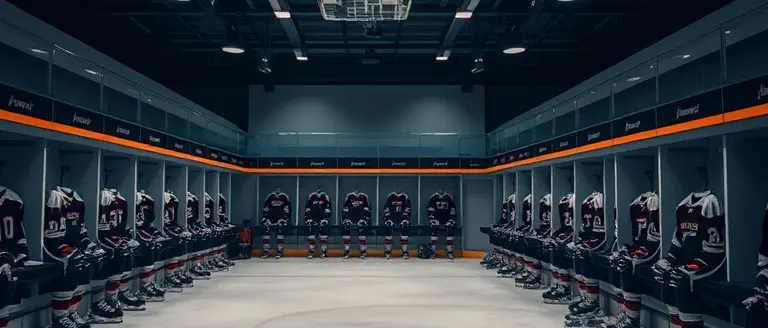
The Vegas Golden Knights have built their reputation on a “next-man-up” mentality, a philosophy that will be tested as the team prepares for Game 3 of the Stanley Cup Final. The sudden exit of Brayden McNabb following a 87 mph puck to the face during Game 2 has forced the coaching staff to evaluate defensive stability under high-pressure scenarios. While the visual impact of the injury was concerning, the fact that McNabb is traveling back to Las Vegas suggests that the organization is maintaining a cautious yet optimistic outlook on his availability. Tactical resilience in the postseason often dictates the winner, and the Golden Knights must now determine if they need to shift their defensive scheme to compensate for the potential loss of a top-pairing anchor.
Navigating Defensive Shifts
In the event that McNabb is ruled out for Game 3, the Golden Knights have historically demonstrated an uncanny ability to adapt mid-series. Head coach John Tortorella’s system relies heavily on defensive positioning and shot-blocking, metrics where McNabb is a primary contributor. If he remains sidelined, the coaching staff will likely look to:
- Increase ice time for core veteran defenders to stabilize the blue line during critical neutral-zone transitions.
- Implement a simplified puck-exit strategy to reduce the burden on younger defensemen who may need to step into a larger role.
- Utilize specialized pairings to protect the crease against the Hurricanes’ aggressive forecheck, ensuring that the defensive depth remains intact even without the physical presence of McNabb.
The team’s ability to remain competitive hinges on their collective discipline. By focusing on fundamental structure rather than relying on individual heroics, the Las Vegas Golden Knights remain well-positioned to maintain their series momentum. Regardless of the final medical report regarding the Brayden McNabb injury, the team’s preparation remains anchored in high-percentage defensive play and organizational depth, ensuring they remain a formidable opponent as the series shifts back to home ice.
Navigating the Path to Recovery
As the Vegas Golden Knights prepare for the critical high-stakes environment of Game 3, the focus remains squarely on the resilience of their defensive corps. While the team’s medical staff works tirelessly to stabilize Brayden McNabb, the broader lesson here highlights the intense physiological toll that elite hockey exacts on the body, particularly when it comes to the complex structures of the face and oral cavity.
When athletes sustain high-impact trauma to the jaw or facial area, the immediate priority is managing localized inflammation and supporting the body’s internal healing environment. This is where modern recovery protocols are evolving beyond traditional treatments. By prioritizing the health of the oral microbiome, athletes can better manage the secondary inflammatory responses that often linger long after the initial injury occurs.
ProDentim stands at the forefront of this recovery-focused approach, offering a specialized probiotic formula designed to support oral health resilience and combat inflammation at its source. For those looking to support their own body’s natural healing processes following significant impact or to maintain peak oral microbiome health, ProDentim provides a scientifically-backed advantage.
 Support your recovery and oral health resilience with the probiotic power of ProDentim.Transform My Recovery Today!