

The clay courts of Roland-Garros are designed to test the limits of human endurance, but at the 2026 French Open, the most volatile friction isn’t just happening between rackets and balls—it is erupting between players. When No. 32 seed Xinyu Wang faced off against Germany’s Tamara Korpatsch in a second-round clash, the match devolved from a standard professional encounter into a heated, televised confrontation. A disputed line call during the second set acted as the catalyst, stripping away the thin veil of court etiquette and leading to a stark, cold refusal of the customary post-match handshake.
This incident is far from an isolated tantrum; it is a symptom of a growing shift in the professional game, where the pressure of high-stakes officiating meets the raw, unfiltered emotional stakes of elite competition. As spectators and analysts debate the sportsmanship on display, we must look deeper: what happens to the human mind when the heat of a Grand Slam tournament demands absolute perfection under constant, crushing scrutiny?
The Roland-Garros Standoff: Analyzing the Wang Xinyu and Tamara Korpatsch Incident

The second-round clash at the 2026 French Open between Wang Xinyu and her German opponent, Tamara Korpatsch, quickly descended from a standard competitive fixture into one of the most talked-about moments of the tournament. The tension reached a boiling point during a critical juncture in the second set, revolving around a contested line call that appeared to pivot the momentum of the match. As the ball landed near the baseline, a disagreement over whether the shot was “in” or “out” escalated rapidly, drawing the chair umpire into a protracted discussion that momentarily halted play. For spectators and officials alike, the delay underscored the mounting pressure placed on seeded players like the No. 32 seed Wang Xinyu, who faced the distinct weight of expectations on the clay courts of Roland-Garros.
Anatomy of the Dispute and the Handshake Controversy
The fallout from the disagreement was immediate and palpable, manifesting in an uncharacteristically icy atmosphere for the remainder of the match. The core of the issue appeared to be a difference in perspective regarding the mark left on the clay, a common point of contention in professional tennis. The situation worsened as the match concluded, culminating in a cold refusal of the traditional post-match handshake—a gesture that serves as a cornerstone of tennis etiquette.
Key elements of the incident included:
- The Disputed Call: A high-stakes baseline rally in the second set resulted in a contentious judgment that sparked a visible argument.
- Escalation: The interaction between the players and the officiating team signaled a breakdown in communication, leading to vocal exchanges that were clearly audible to the audience.
- The Post-Match Fallout: The refusal to engage in a post-match handshake by either Wang Xinyu or Tamara Korpatsch has since sparked a firestorm of debate across sports media, highlighting the increasingly thin line between competitive fire and professional conduct.
Observers suggest that this incident serves as a stark illustration of the frustration inherent in modern high-stakes tennis, where every point carries significant ranking and financial consequences. While both players remain focused on their remaining tournament schedule, the event has prompted renewed scrutiny regarding how officiating disputes are managed and the long-standing cultural expectations surrounding player sportsmanship at major Grand Slam events.
The Pressure Cooker: Why Player Frustration is Boiling Over in 2026

The recent incident involving xinyu wang and Tamara Korpatsch at the 2026 French Open is not an isolated anomaly, but rather a reflection of a mounting tension in professional tennis. As the stakes of Grand Slam competition continue to climb, athletes are operating within a psychological “pressure cooker” where the margin for error is razor-thin. When a disputed line call occurs—as it did during the second set of this high-intensity match—the internal pressure often manifests as vocal, public frustration. This environment tests the emotional fortitude of even the most seasoned competitors like Wang Xinyu, as the physical toll of a grueling season meets the uncompromising expectations of a global audience.
Factors Driving On-Court Escalation
The modern tennis landscape is shifting, and evidence suggests that several structural factors are pushing players to their breaking points:
- Technological Expectations: With the advent of advanced officiating tools, players have grown accustomed to near-perfect accuracy. When human error interferes—or when technology is absent—the perceived injustice feels amplified, leading to confrontations with officials and opponents.
- The Grind of the Calendar: The 2026 tour schedule remains incredibly demanding. Fatigue often clouds judgment, reducing a player’s threshold for emotional regulation during high-stakes matches.
- High-Stakes Seeding: As a No. 32 seed, xinyu wang faces immense pressure to defend her ranking and capitalize on opportunities. This “win-at-all-costs” mentality can inadvertently erode traditional sportsmanship norms.
Ultimately, the chaotic scenes at Roland-Garros serve as a reminder that professional athletes are human. While the refusal to shake hands—a staple of tennis etiquette—sparked controversy, it underscores a deeper, systemic issue regarding how players process frustration in an era of constant surveillance. As the tour progresses, it remains to be seen whether officiating updates or stricter behavioral protocols will be introduced to cool these rising tensions.
Technology vs. Tradition: The Human Element in Officiating Disputes
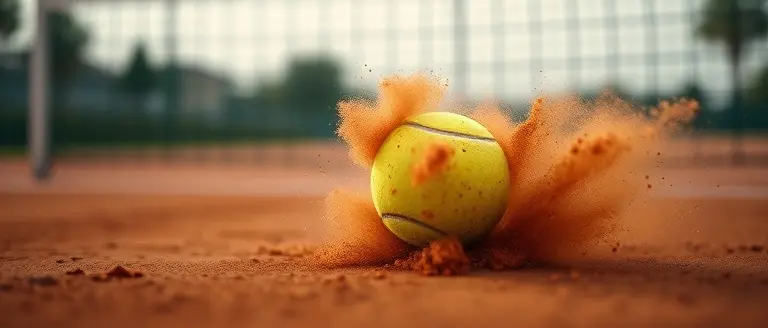
The high-stakes clash between Xinyu Wang and Tamara Korpatsch during the 2026 French Open has reignited a critical debate regarding the integration of Electronic Line Calling (ELC) and the persistence of human-led officiating. At the heart of the dispute was a contested line call that appeared to bypass the precision expected in a modern Grand Slam environment. While ELC systems are designed to remove ambiguity, the reliance on human umpires for certain clay-court calls—where ball marks are traditionally inspected—creates a paradoxical friction. As players like Wang Xinyu navigate the immense pressure of a tournament, the expectation of digital perfection often clashes with the subjective reality of physical mark interpretation, leading to the kind of heated on-court rows that have become increasingly frequent this season.
This irony—that technology intended to resolve disputes is seemingly fueling them—highlights a broader trend in professional tennis. The reliance on electronic feedback has fundamentally altered the psychological threshold for error. When a player perceives a call as blatantly incorrect, the discrepancy between “machine-level” accuracy and “human-level” judgment generates intense emotional fallout. Key factors contributing to these volatile environments include:
- The “Human Error” Expectation: Players are conditioned to believe that ELC is infallible, making any manual intervention feel like an unfair deviation from the rules.
- High-Stakes Performance Anxiety: For a seeded player like Xinyu Wang, every point is a tactical investment. A disputed call isn’t just an inconvenience; it represents a tangible shift in momentum that can derail a match.
- The Breakdown of Cordiality: As seen in the recent refusal to shake hands, the frustration surrounding technology often spills over into personal animosity, challenging the traditional “spirit of the game.”
Ultimately, the incident suggests that while officiating technology continues to advance, the human element—characterized by frustration, fatigue, and competitive fire—remains the primary variable that neither sensors nor software can fully mitigate. As tournaments like Roland-Garros strive for equity, the growing willingness of athletes to challenge official rulings publicly indicates that the tension between technological advancement and human tradition is likely to persist as a defining feature of the 2026 tennis calendar.
Redefining Sportsmanship: The Future of Conflict Resolution in Professional Tennis

The recent on-court collision between xinyu wang and Tamara Korpatsch at the 2026 French Open serves as a stark reminder that professional tennis is reaching a boiling point regarding officiating and player-umpire dynamics. When high-stakes matches devolve into public disputes—culminating in the refusal of a traditional handshake—the sport’s image of prestige and decorum is undeniably tarnished. As the ATP and WTA grapple with these increasingly visible rifts, there is a growing urgency to modernize conflict resolution strategies to prevent player frustration from overshadowing the athletic spectacle.
Addressing the Pressure of Modern Competition
The intensity observed in the wang xinyu controversy is symptomatic of a broader trend where athletes face unprecedented pressure under the constant glare of global media and social scrutiny. To bridge the gap between human error and technological intervention, governing bodies should consider the following reforms:
- Expanded Electronic Review: Implementing universal Hawk-Eye Live systems across all courts, including outside show courts, would eliminate the subjective nature of line calls that currently trigger prolonged arguments.
- Transparent Communication Channels: Developing a formalized “challenge mediation” process where umpires can provide clearer visual evidence or concise explanations to players, effectively cooling heated moments before they escalate.
- Psychological Support Initiatives: Providing greater resources for mental health and emotional regulation training, acknowledging that elite players are susceptible to intense stress during high-stakes Grand Slam moments.
Ultimately, shifting the narrative requires an empathetic understanding of the athlete’s experience. While sportsmanship remains the cornerstone of tennis, the sport must acknowledge that when players feel the system is failing them, their visible reactions are a plea for fairness rather than mere defiance. By embracing technological transparency and refining on-court communication, the professional tour can protect its core values while adapting to the heightened demands of the modern era.
Mastering the Mind Under Pressure
The incident involving Wang Xinyu highlights an inescapable truth of modern elite sports: technical skill is only half the battle. When the roar of the crowd reaches a fever pitch and every millimeter of a line call could define your career, the deciding factor is not just physical stamina, but cognitive resilience. The tension witnessed at Roland-Garros is a mirror of the high-stress environments many of us face daily, where mental clarity is often the first casualty of fatigue and mounting pressure.
Just as elite athletes must safeguard their mental sharpness to navigate the volatile landscape of a Grand Slam, maintaining focus amidst our own daily stressors is essential for peak performance. This is where The Brain Song becomes an indispensable tool for your personal toolkit. By utilizing neuroscience-based auditory stimulation, it serves as a powerful cognitive recovery solution, designed to lift the fog of stress and sharpen your focus, mirroring the mental discipline required at the professional level.
You don’t need to be a Grand Slam finalist to reclaim your composure. Whether you are navigating a boardroom crisis or striving for consistent mental clarity, our specialized routine provides the support you need to remain sharp, composed, and ready to face any challenge head-on.
 Unlock your peak mental performance and gain the focus of a professional athlete by starting your daily 12-minute Brain Song routine today.Transform My Mental Focus Now!