

As the kickoff to the 2026 World Cup summer, this Memorial Day weekend was meant to be a celebration of travel. Instead, thousands of United Airlines passengers find themselves stranded in terminals across the country as severe weather collides with an already strained aviation network. With industry-wide volatility following recent market consolidation, the frustration of a cancelled flight or a lengthy delay is no longer just an inconvenience; it is a full-scale logistical crisis that demands immediate, actionable solutions.
Staying informed is your first line of defense. Whether you are navigating the complexities of United’s automated rebooking systems or fighting for your rights regarding baggage and overnight accommodations, the key to survival is maintaining composure. In this guide, we cut through the corporate noise to provide you with a real-time roadmap to managing your travel disruption effectively, ensuring that you remain in control of your journey even when the elements—and the systems—seem to be working against you.
United Airlines Memorial Day Travel Disruptions: Current Status and Alerts
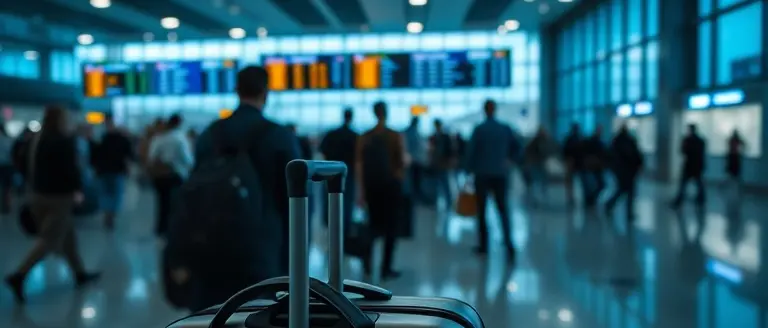
As of May 25, 2026, United Airlines passengers are facing significant operational challenges during the high-traffic Memorial Day holiday weekend. While the airline had proactively prepared for an influx of travelers serving as a precursor to the upcoming summer season and the FIFA World Cup, widespread severe weather conditions across major U.S. transit hubs have compromised flight schedules. The convergence of peak seasonal demand and meteorological instability has resulted in cascading delays and cancellations, leaving many travelers seeking immediate clarity regarding their status and rebooking options.
Current Operational Landscape
Evidence suggests that the current strain on air travel is exacerbated by a “new normal” in the aviation industry. Following the collapse of Spirit Airlines, the reduction in available low-cost capacity has placed additional pressure on carriers like United, leading to higher passenger density and fewer alternative flights for reaccommodation. Travelers are advised to prioritize the following actions to navigate the current disruptions:
- Check Real-Time Status: Use the United Airlines mobile app or the official website’s “Flight Status” tool, as these channels typically receive updates faster than airport displays.
- Leverage Self-Service Tools: If a flight is cancelled, the United app’s rebooking portal allows passengers to select alternative itineraries without waiting for a customer service agent.
- Understand Weather Policies: United generally offers flexible travel waivers during severe weather events; check the “Travel Alerts” section on the airline’s homepage to see if your departure or arrival city is eligible for a fee-free change.
- Monitor Baggage Guidelines: In instances of extended delays, ensure your contact information is updated in your reservation so the airline can send automated notifications regarding redirected luggage.
While United’s ongoing investment in Overwatch AI is intended to enhance long-term operational resilience and predictive maintenance, the current reality remains one of reactive management. Passengers should remain patient, anticipate longer wait times at customer service kiosks, and maintain a flexible itinerary as the holiday weekend concludes. Always cross-reference app notifications with official gate agent announcements for the most accurate information regarding your specific aircraft.
Navigating Flight Changes: Rebooking and Cancellation Policies

If you are currently experiencing disruptions with United Airlines due to the severe weather conditions impacting the Memorial Day weekend, taking immediate action is essential to securing a new itinerary. The most efficient way to manage your reservation is through the official United mobile app. Once a flight is canceled or significantly delayed, the app’s “Manage Trip” section often triggers an automated self-service prompt. This interface allows passengers to view alternative flight options, select a new departure time, and even request baggage rerouting without waiting in long airport queues or navigating congested phone lines.
Understanding Your Rebooking Rights and Waivers
When major storms lead to widespread travel interruptions, United frequently issues travel waivers that permit passengers to change their flights without incurring change fees or fare differences, provided the new flight departs within a specific window. To verify if your itinerary qualifies, visit the United Airlines “Travel Notices” page.
Under the current Department of Transportation (DOT) guidelines and the United Contract of Carriage, your entitlements depend on the nature of the disruption:
- Controllable Disruptions: If a cancellation is caused by the airline (e.g., crew shortages or mechanical issues), you are entitled to rebooking on the next available flight and may be eligible for meal vouchers or overnight hotel accommodations.
- Weather-Related Disruptions: Because severe weather is considered an “act of God” or outside the carrier’s control, the airline is not legally required to provide hotel vouchers or compensation. However, they are still obligated to rebook you on the next available flight to your destination at no additional cost.
Proactive Tips for Summer 2026 Travelers
Given the increased operational stress following the collapse of Spirit Airlines and the record-breaking travel demand for the summer, seats are filling faster than in previous years. If your flight is impacted, check the status via the app immediately, but also monitor the United flight status tool for real-time updates. If you find the self-service options unsuitable, seek a customer service agent at the gate or the United Club for more complex rebooking scenarios. By staying informed and utilizing in-app tools, you significantly improve your chances of reaching your destination despite the current industry-wide volatility.
The ‘New Normal’: Market Shifts and Summer 2026 Pressures

The landscape of U.S. aviation has undergone a radical transformation by mid-2026, creating a “new normal” for United Airlines passengers and the broader traveling public. The industry is currently contending with the lingering aftershocks of the Spirit Airlines collapse, a structural shift that has significantly reduced total seat capacity across domestic routes. With fewer low-cost carriers competing for market share, the ecosystem is experiencing heightened price sensitivity and increased stress on legacy carrier networks. As these carriers attempt to absorb displaced demand, travelers are finding that booking flexibility has narrowed, and recovery windows following major disruptions—like the severe weather seen this Memorial Day—have lengthened significantly.
Strategic Challenges for Summer 2026
This summer, United Airlines faces a unique convergence of operational pressures. The anticipation of the FIFA World Cup has pushed demand to historic highs, leaving little margin for error within the flight schedule. Industry analysts note that this consolidation creates a supply-demand imbalance, leading to the following impacts for the average traveler:
- Elevated Fare Structures: The reduction in available inventory post-Spirit merger has fundamentally recalibrated baseline pricing, often resulting in higher fares for last-minute bookings.
- Reduced Rebooking Redundancy: With planes flying at higher load factors, rebooking passengers onto subsequent flights after a cancellation has become increasingly complex, often requiring multi-day wait times.
- Operational Strain: While United is leveraging technological investments such as Overwatch AI to optimize air traffic management and crew scheduling, these systems are being severely tested by extreme weather events that currently dominate the holiday travel narrative.
Ultimately, the combination of industry consolidation and the sheer volume of summer event travel means that United Airlines customers must navigate a tighter, less forgiving aviation environment. Understanding that the system lacks the “cushion” it once had is critical for managing expectations throughout this high-stakes summer season.
Managing Travel Expectations: Tips for Reliability in an Uncertain Market

Navigating the current landscape of commercial aviation requires a proactive approach, especially as United Airlines passengers face the dual pressures of severe weather patterns and reduced competition following the recent industry shifts. With the 2026 World Cup summer season bringing unprecedented passenger volumes, reliability is no longer guaranteed by ticket class alone. To mitigate the risk of disruption, travelers should adopt a “worst-case scenario” mindset when mapping out their itineraries. Prioritize non-stop, early-morning flights whenever possible; these are statistically less likely to be impacted by the “cascading delay” effect that frequently plagues mid-afternoon schedules when thunderstorms and air traffic control backlogs peak.
Strategic Planning for United Passengers
To safeguard your travel plans against the volatility of the current market, consider these tactical adjustments:
- Prioritize Buffer Time: Avoid tight connections. If your itinerary involves a layover, opt for at least three hours of cushion time. This gap is vital during high-traffic periods where a single mechanical or weather-related issue can force a multi-hour recovery cycle.
- Leverage Digital Tools: Download the United Airlines mobile app and enable push notifications for real-time gate changes and rebooking options. Often, the app allows for self-service rebooking faster than waiting in line at a customer service desk.
- Maximize Elite Status and Benefits: If you hold status or a qualifying credit card, ensure you are familiar with priority support lines. During mass disruptions, these channels frequently offer shorter wait times and more personalized re-routing options.
- Monitor Operational Trends: Keep an eye on regional weather patterns at your transit hubs. Even if your departure city is clear, a storm at a major connecting hub like O’Hare or Newark can cause systemic failures.
While United’s ongoing investments in Overwatch AI aim to stabilize operations by predicting and mitigating maintenance issues before they become delays, passengers must remain vigilant. Understanding your rights under the United Airlines Contract of Carriage is essential when disruptions occur. By planning for potential delays, staying informed through the app, and choosing flight times that minimize risk, you can significantly enhance your chances of a successful, albeit stressful, travel experience in today’s complex aviation environment.
Maintain Your Mental Edge Above the Chaos
Navigating airline disruptions requires more than just logistical know-how; it demands a high degree of mental resilience. While our guide ensures you have the technical steps to handle your rebooking and baggage claims, the real challenge often lies in managing the overwhelming stress and ‘traveler brain fog’ that inevitably sets in after hours in a crowded terminal. The constant uncertainty can cloud your judgment, making even simple tasks feel impossible when you need to be at your sharpest.
Your biggest struggle shouldn’t be managing your own mounting anxiety. This is where The Brain Song becomes an essential travel wellness tool. Designed for the proactive traveler who refuses to let operational failures dictate their internal state, this auditory routine is your secret weapon. By rapidly reducing stress and sharpening your cognitive clarity, it allows you to stay calm and decisive while the world around you descends into chaos. Think of it as a portable mental reset button, ensuring that even if your flight is delayed, your focus remains crystal clear.
It is time to reclaim your peace of mind and ensure your travel experience isn’t defined by the stress of the wait. Take control of your mental state today and transform your travel day from a nightmare into a manageable experience.
 Regain your mental edge while waiting—try the 12-minute auditory routine to stay sharp and calm during your travel delay.Transform My Mental Clarity Today!