
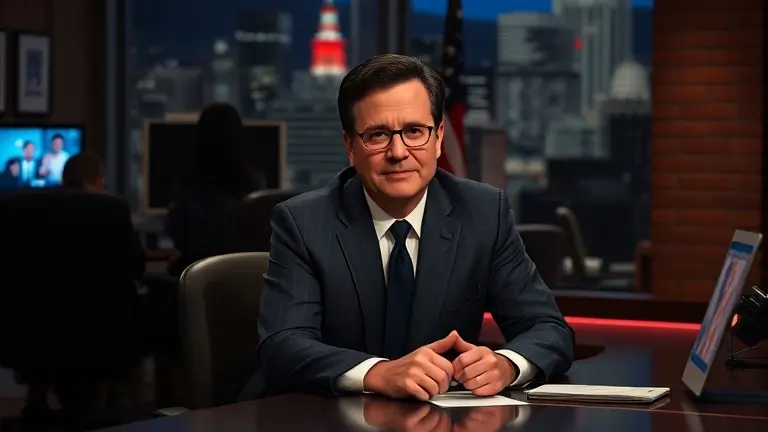
Twenty-four hours after the final curtain call of his 11-season tenure on CBS, the television landscape didn’t just quiet down—it shifted entirely. Stephen Colbert’s surprise return to Only in Monroe, a lo-fi public access show in Michigan, was more than a nostalgic nod to his 2015 guest spot; it was a defiant statement on the future of broadcasting. Surrounded by an unlikely assembly of heavyweights like Eminem, Jack White, and Jeff Daniels, Colbert traded the polished, high-definition artifice of a late-night studio for the raw, unpredictable chaos of local cable. The viral wildfire that followed, only intensified by Paramount’s misguided attempt to police the clips, highlighted a growing friction: the struggle of monolithic corporate networks to exert control over content that audiences are increasingly migrating to decentralized, intimate platforms to discover.
This episode serves as a quintessential case study in the ‘post-network’ era, where the boundary between legacy dominance and the democratization of digital media continues to erode. As fans clamored for footage that corporate entities attempted to scrub, the event crystallized the ‘Copyright Takedown Paradox,’ proving that in the digital age, audience demand consistently outweighs traditional intellectual property gatekeeping. Colbert’s tactical choice to descend from the heights of network stardom into the grassroots aesthetic of public access wasn’t just a career footnote; it was a masterful subversion of how we consume, share, and value televised entertainment.
From CBS to Monroe: The Story Behind Colbert’s Public Access Return
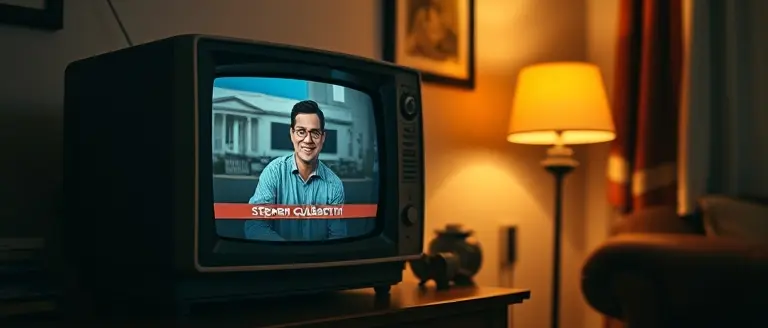
On May 21, 2026, the landscape of late-night television shifted permanently as Stephen Colbert concluded his illustrious 11-season run on CBS’s The Late Show. While many speculated about his potential move into streaming or a long hiatus, the industry was blindsided just 24 hours later. On May 22, 2026, Colbert executed a masterclass in irony, marking his stephen colbert public access return by guest-hosting Only in Monroe, a modest, lo-fi community broadcast in Monroe, Michigan. This choice was far from random; it served as a poignant, full-circle homage to his own career trajectory, specifically referencing his iconic 2015 guest spot on the same program—an appearance that occurred just before he ascended to the host chair at CBS.
The contrast between the polished, high-budget studio environment of New York and the stripped-down, analog aesthetic of Michigan public access was immediately apparent. However, the production was anything but quiet. The event transformed from a niche local curiosity into a massive national viral sensation, fueled by a guest list that would rival any major network broadcast:
- Eminem and Jack White, representing Michigan’s cultural heavyweights.
- Acclaimed actors Jeff Daniels and Steve Buscemi, who lent the production an air of surreal, high-caliber legitimacy.
The intentional “downgrade” to public access allowed for an authenticity that modern viewers clearly craved. By abandoning the rigid structures of late-night television for a format that emphasized raw connection and local charm, Colbert proved that his comedic influence transcended corporate machinery. The event successfully bridged the gap between traditional broadcast dominance and the decentralized, community-focused roots of television, leaving fans and media analysts alike to question if the era of the massive, centralized late-night studio might be evolving into something far more intimate.
High-Profile Chaos: The Viral Impact of Michigan’s Local TV
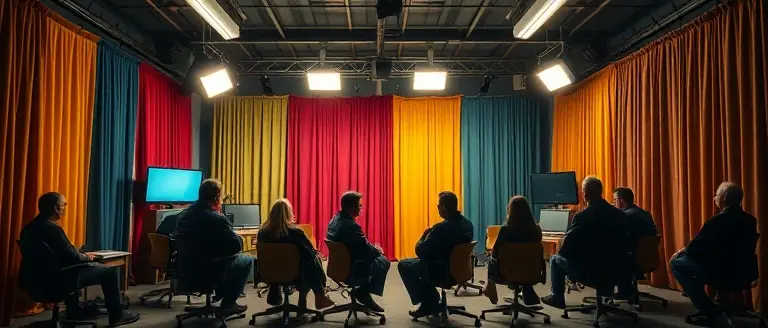
The Stephen Colbert public access return served as a masterclass in media subversion, perfectly utilizing the stark contrast between Hollywood prestige and the gritty, unpolished aesthetic of local Michigan television. By swapping the high-production values of his CBS studio for the lo-fi charm of Monroe, Michigan, Colbert turned a simple guest-hosting gig into a cultural phenomenon. The juxtaposition of A-list icons—including Eminem, Jack White, Jeff Daniels, and Steve Buscemi—sitting in a modest, community-run studio created an immediate, disorienting brilliance that bypassed traditional media gatekeepers.
This unexpected gathering of global talent on a platform typically reserved for town council meetings and local charity events highlights a fascinating shift in how audiences consume content. The viral success of the broadcast wasn’t merely about the star power involved; it was about the authenticity of the setting. Key elements contributing to this digital firestorm included:
- Democratic Mediums: The use of local public access allowed the guests to appear relaxed and unscripted, providing a humanizing contrast to their usual polished press junket personas.
- Cultural Shock: Seeing icons like Eminem or Jack White navigate the limitations of a small-town broadcast created a unique, “insider” feeling that drove massive engagement across platforms like Reddit and X.
- The Power of Contrast: The inherent absurdity of placing multi-million dollar global brands in a lo-fi environment proved that high-quality, authentic storytelling remains more effective than expensive studio production.
The event functioned as a bridge between the dying era of traditional late-night broadcast dominance and the rise of decentralized digital participation. By choosing such a localized medium for his return, Colbert effectively challenged the sanctity of the “network” brand, proving that in the modern entertainment landscape, content relevance is dictated by social virality rather than corporate budget. This moment not only solidified the legacy of the ‘Only in Monroe’ special but also redefined what constitutes “must-watch” television in the post-network era.
The Copyright Controversy: When Corporate Suits Met Public Access

The stephen colbert public access return quickly transformed from a nostalgic television event into a flashpoint for digital media rights. Within hours of the Only in Monroe broadcast on May 22, 2026, fans flocked to social platforms to share highlights featuring Jack White, Eminem, and Jeff Daniels. However, the celebration was cut short when Paramount/CBS deployed automated copyright enforcement bots to issue aggressive takedown notices against these third-party uploads. This move triggered an immediate and vocal backlash across Reddit and other social media forums, as viewers viewed the corporate intervention as a direct contradiction to the spirit of public access television—a medium fundamentally defined by its openness and community-driven, decentralized nature.
The Irony of Corporate Overreach
The irony of a major media conglomerate attempting to censor a show intentionally designed to celebrate low-fidelity, local broadcast history was not lost on the public. By attempting to enforce strict copyright boundaries on content that was inherently ephemeral and local, the network inadvertently amplified the reach of the clips they sought to hide. Key developments in this digital standoff included:
- Automated Enforcement: The use of legacy copyright software that failed to distinguish between corporate intellectual property and a localized, volunteer-style public access project.
- Widespread Public Outcry: High levels of negative sentiment on platforms like r/LateShow, where users argued that the clips were vital for historical and cultural record-keeping.
- The Corporate Pivot: Recognizing the mounting PR crisis, CBS/Paramount formally paused all copyright strikes on the Only in Monroe footage by May 25, 2026.
This incident serves as a significant case study in the “Copyright Takedown Paradox.” It highlights the tension between traditional broadcast control and the modern reality of digital fandom, where audiences demand the right to archive and share content that resonates with them. The decision to halt the takedowns represented a rare victory for digital creators and viewers, signaling that even giant networks must occasionally yield to the demands of an engaged, decentralized internet community when the content represents a significant cultural moment.
A New Digital Paradigm: Lessons in Modern Media Rights
The Stephen Colbert public access return to Only in Monroe serves as a defining case study in the evolving tension between legacy corporate media and the decentralized digital landscape. When Paramount and CBS initially deployed automated copyright takedown notices against fan-uploaded clips of the May 22, 2026, broadcast, they inadvertently triggered a public backlash that exposed the fragility of traditional intellectual property enforcement. By attempting to stifle content that the audience was clamoring to consume, the network highlighted a growing disconnect between institutional copyright protocols and the modern expectation for viral, easily shareable media. This “Copyright Takedown Paradox” suggests that in an era where authenticity is the primary currency, over-policing can damage brand reputation faster than it can protect assets.
For content creators and digital strategists, this saga offers several critical takeaways regarding the future of digital media rights:
- The Power of Grassroots Authenticity: Audiences increasingly prioritize raw, lo-fi, and localized content over the high-gloss, heavily gated productions typical of late-night television. Colbert’s pivot back to his public access roots resonated precisely because it felt unscripted and accessible.
- The Speed of Public Backlash: The resolution of the takedown notices—which were halted by May 25, 2026—demonstrates that social media sentiment can effectively force corporate policy changes. Platforms now act as a check on executive overreach.
- The Shift in Value Perception: The incident proves that viewers value the “event” of a shared cultural moment more than the rigid ownership status of the footage. When a network restricts access, it risks alienating the very audience it spent decades cultivating.
Ultimately, this transition represents a broader shift in how we define “official” media. As Colbert successfully bridged the gap between his massive CBS tenure and the democratization of local broadcasting, he highlighted a reality for future creators: digital influence is no longer strictly defined by who owns the rights to a stream, but by who best understands the community’s desire for connection and organic, unfiltered engagement.
Sharpening Your Edge in the Viral Media Landscape
Colbert’s return to the raw, unscripted world of Only in Monroe teaches us that the most impactful moments in media are often the most unpredictable. As we move further into a decentralized, rapid-fire information era, the ability to discern the signal from the noise has never been more critical. Whether you are tracking corporate legal maneuvers or analyzing shifts in late-night culture, the intellectual load required to keep pace with these high-stakes trends is immense. Much like the sharp, lightning-fast wit Colbert deployed in his surprise return, keeping up with today’s rapidly shifting media trends requires a mind that is firing on all cylinders.
To truly stay ahead, you need more than just awareness; you need cognitive clarity. This is exactly where The Brain Song becomes an essential asset for the modern observer. By utilizing neuroscience-based auditory stimulation, it provides the sustained focus and enhanced cognitive processing power necessary to navigate complex media landscapes. It doesn’t just help you consume content—it sharpens your ability to analyze the deeper layers behind the viral facade, bridging the gap between passive viewing and expert-level media intelligence.
If you want to master your attention and process information with the precision of a seasoned media analyst, now is the time to optimize your most important tool: your brain. Experience the heightened mental clarity that transforms the way you interact with every digital shift, from corporate controversy to cultural revolution.
 Ready to sharpen your focus to keep up with the next big viral shift? Experience the power of neuroscience-based auditory stimulation with The Brain Song.Transform My Focus Today!