

The clay courts of Roland Garros are known for crushing dreams, but on May 25, 2026, Polish qualifier Maja Chwalińska achieved the impossible. In a display of tactical brilliance and unflappable nerves, she dismantled reigning Olympic champion Qinwen Zheng with a commanding 6-4, 6-0 straight-sets victory. This wasn’t just a win; it was a masterclass in controlled aggression that has sent shockwaves through the tennis world, marking one of the most significant upsets in recent Grand Slam history.
As fans and analysts scramble to dissect her journey from the qualification rounds to the main draw, the spotlight turns to the mental fortitude required to topple a global superstar. Chwalińska’s performance was defined by an elite-level focus that allowed her to neutralize Zheng’s power with surgical precision. For anyone watching, the question remains: how does a player summon such absolute clarity under the crushing weight of a Grand Slam debut? Her triumph offers a rare, high-stakes blueprint for the power of mental conditioning in moments of peak performance.
The Maja Chwalińska Roland Garros Upset: A Parisian Shock
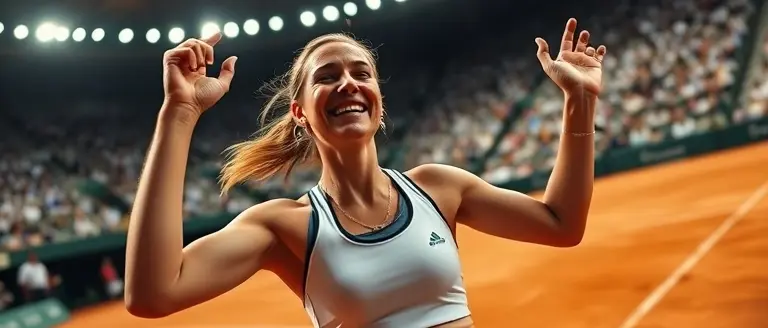
The tennis world remains in a state of astonishment following the Maja Chwalińska Roland Garros upset on May 25, 2026. Entering the tournament as a qualifier, Chwalińska delivered a masterclass in clay-court tennis, dismantling the reigning Olympic champion, Qinwen Zheng, in a commanding straight-sets victory of 6-4, 6-0. This result immediately vaulted the Polish rising star into the global spotlight, marking one of the most significant opening-round shocks seen at Stade Roland Garros in recent memory. By successfully navigating the qualifying draw to earn her main-draw berth, Chwalińska proved that her momentum was no fluke, ultimately overwhelming a top-tier opponent who was heavily favored to make a deep run in the tournament.
Analyzing the Tactical Dominance
The nature of the victory speaks volumes about the technical adjustments made by the qualifier. After a competitive opening set where Chwalińska managed to secure a crucial break to take a 6-4 lead, the momentum shifted entirely in her favor. In the second set, she displayed incredible composure and tactical variety, leaving Zheng unable to find an answer to her defensive resilience and precise shot placement.
Key elements that defined this landmark match include:
- Aggressive Baseline Play: Chwalińska utilized deep, heavy groundstrokes that kept the Olympic champion on the back foot throughout the duration of the second set.
- Flawless Efficiency: The decisive 6-0 scoreline in the second set highlighted her clinical ability to capitalize on break points and force errors.
- Mental Fortitude: Maintaining focus against a player of Zheng’s stature is a formidable task, yet the Polish qualifier played with the poise of a seasoned Grand Slam veteran.
This stunning performance has effectively blown open the bottom half of the tournament bracket, forcing analysts to re-evaluate the potential trajectory for the remainder of the French Open. For Chwalińska, this victory is more than just a statistical anomaly; it serves as a career-defining milestone that underscores the unpredictable, thrilling nature of “qualifier magic” at the highest level of professional tennis.
From Qualifier to Contender: The Path to the Main Draw
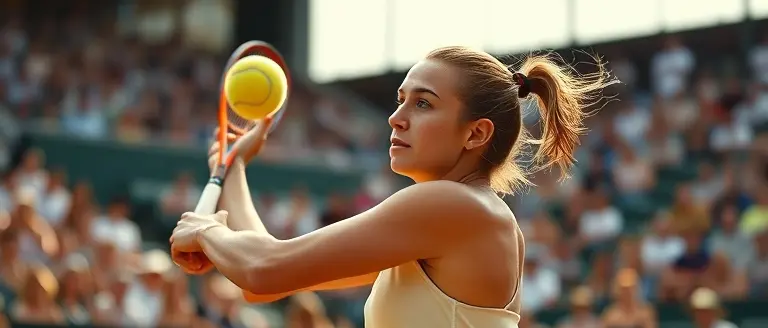
The meteoric rise of Maja Chwalińska at the 2026 French Open is a masterclass in professional resilience. Before her stunning Maja Chwalińska Roland Garros upset against the reigning Olympic champion, the Polish tennis star had to navigate the grueling gauntlet of the qualifying rounds. Unlike players who earn automatic entry via high world rankings, Chwalińska’s journey began on the outer courts of Stade Roland Garros, where she fought through three consecutive high-pressure matches to secure her place in the main draw. This path, while physically taxing, provided her with the essential rhythm and match-hardened confidence required to dismantle top-tier opposition on the red clay.
Building Momentum on the Clay
Her success in the qualifiers was not merely a matter of luck but a testament to her tactical adaptability. Observers noted that her ability to sustain intensity across multiple days of qualifying served as the perfect preparation for the high-intensity atmosphere of the main stage. Key factors in her qualifying success included:
- Defensive Consistency: A baseline game that frustrated opponents and forced unforced errors.
- Mental Toughness: Her capacity to reset after dropping opening sets, proving she possesses the fortitude required for Grand Slam success.
- Tactical Variation: Using well-timed drop shots and heavy topspin to neutralize faster, more aggressive hitters.
This momentum carried over perfectly into her round of 128 matchup. While many analysts viewed her as an underdog, her earlier qualifying bouts meant she was already “match-fit” compared to opponents who had not competed on the surface in weeks. The “Cinderella story” narrative now surrounding Chwalińska is rooted in this earned experience; she did not walk into the main draw by chance—she fought for every point, building the physical and psychological armor necessary to pull off one of the most significant upsets of the tournament. Her performance serves as a powerful reminder that the qualification rounds are often where the true grit of a future champion is forged.
Tactical Breakdown: How Chwalińska Neutralized the Olympic Champion

The Maja Chwalińska Roland Garros upset was a masterclass in tactical discipline and clay-court adaptability. Entering the match against the reigning Olympic champion, Qinwen Zheng, Chwalińska faced a player known for raw power and aggressive baseline play. To secure the 6-4, 6-0 victory, the Polish qualifier relied on a high-IQ strategy that exploited the slower surface conditions at Stade Roland Garros, effectively stifling Zheng’s ability to dictate points.
Strategic Adjustments and Point Construction
Chwalińska’s game plan focused on disrupting Zheng’s rhythm through variation rather than brute force. By utilizing heavy, high-looping topspin and mixing in shorter, angled slices, she forced the Olympic champion to constantly move forward and adjust her strike zone. Key elements of her tactical success included:
- Defensive Court Coverage: Chwalińska consistently utilized her lateral quickness to retrieve aggressive shots, forcing Zheng to hit the “extra ball.” This patience frustrated Zheng, leading to a spike in unforced errors as the match progressed.
- Neutralizing the Baseline: Instead of trading heavy groundstrokes, Chwalińska employed short-angle cross-court shots that pulled Zheng off the court, opening up the entire baseline for winners.
- Mental Composure: Maintaining focus after breaking serve, particularly in the second set, showcased a level of poise rarely seen in a player moving through the qualifying stages.
Evidence suggests that by the second set, the Maja Chwalińska tactical blueprint had completely broken Zheng’s resolve. By refusing to engage in a “slugfest,” Chwalińska kept the rallies extended, where her superior movement and clay-court positioning excelled. This clinical performance highlights why she is currently the breakout star of the tournament, proving that technical precision and psychological stability can dismantle even the most formidable opponents on the Parisian dirt.
Five Things to Know About Rising Star Maja Chwalińska

The tennis world is currently buzzing following the stunning Maja Chwalińska Roland Garros upset that saw the Polish qualifier dismantle Qinwen Zheng. For those newly introduced to the 24-year-old rising star, her performance on the clay courts of Paris was no fluke but the result of years of disciplined development. Chwalińska, a product of the rigorous Polish tennis system, has long been touted for her high tennis IQ and ability to neutralize power hitters through tactical precision and movement.
Key Insights into Chwalińska’s Rise
- Tactical Versatility: Known primarily for her left-handed game, Chwalińska utilizes superior court craft and a heavy topspin forehand that is particularly effective on European clay. She thrives in long rallies, often forcing opponents into unforced errors through patience and defensive depth.
- The Journey from Qualification: Her path to this historic win began in the grueling qualifying rounds. Navigating the qualifying draw requires immense physical and mental stamina, providing her with the “match toughness” that proved decisive against a top-tier opponent like Zheng.
- Historical Context: Before this breakout, she built her reputation on the ITF circuit, gathering titles that sharpened her competitive edge. This victory at Stade Roland Garros marks the most significant milestone of her career to date.
- Style and Strengths: Unlike players who rely solely on baseline power, Chwalińska incorporates unexpected drop shots and clever angles, a style perfectly suited for the slower surface in Paris.
- Future Trajectory: Following this massive win, expectations for the remainder of the 2026 season have shifted. Analysts suggest that if she maintains this level of composure, she is likely to make a significant leap in the world rankings, potentially securing direct entry into future Grand Slam main draws.
This victory underscores the “qualifier magic” often seen at majors, where players with less pressure frequently perform with the freedom that upsets giants. As she progresses in the tournament, all eyes will be on whether Chwalińska can sustain this momentum and turn a single surprise result into a lasting breakthrough on the professional tour.
Unlock Your Own Peak Cognitive Performance
Maja Chwalińska’s incredible run at Roland Garros serves as a powerful reminder that elite results are rarely just about physical strength; they are about the ability to remain completely ‘in the zone’ when the pressure is at its absolute peak. Her victory over an Olympic champion was fueled by a level of mental acuity that allowed her to read the game, anticipate her opponent’s moves, and execute under duress with total, unwavering focus.
Just as Chwalińska needed to maintain pinpoint focus to dominate the court, high-stakes environments in your own life demand a clear, sharp mind—which is why many top professionals are turning to modern auditory neuroscience to sharpen their own cognitive edge. By utilizing advanced mental conditioning tools, you can systematically remove the cognitive fog that hinders your productivity and replace it with the same sharp, baseline focus demonstrated by elite athletes during their defining moments.
The Brain Song is the most effective solution for bridging the gap between your current potential and the peak mental clarity required for high-pressure success. By integrating this 12-minute daily conditioning routine into your schedule, you are not just relaxing; you are optimizing your neural pathways for sustained concentration and rapid information processing, mirroring the elite mental state of professional champions like Chwalińska.
 Harness the same cognitive clarity that defines elite athletes; start your 12-minute daily mental conditioning routine here.Yes, I Want This Now!