

Jasmine Paolini stepped onto the hallowed clay of the 2026 French Open with the weight of expectation, facing a formidable opener against Dayana Yastremska. While the digital scoreboards captured every break point and unforced error, the true story of this marquee fixture unfolded in the subtle, high-pressure shifts of momentum that define professional tennis. This wasn’t merely a contest of power; it was a tactical and psychological crucible where every shot demanded absolute presence.
As we analyze Paolini’s performance, we move beyond basic statistics to examine the mental fortitude required to survive the opening week of a Grand Slam. Her adjustments on the clay courts of Paris highlight the extreme cognitive load placed on modern athletes. For fans and high-performers alike, this intensity serves as a mirror for our own lives—reflecting the universal need for razor-sharp focus and the ability to silence the noise when the pressure mounts.
Jasmine Paolini vs. Dayana Yastremska: 2026 French Open First-Round Recap
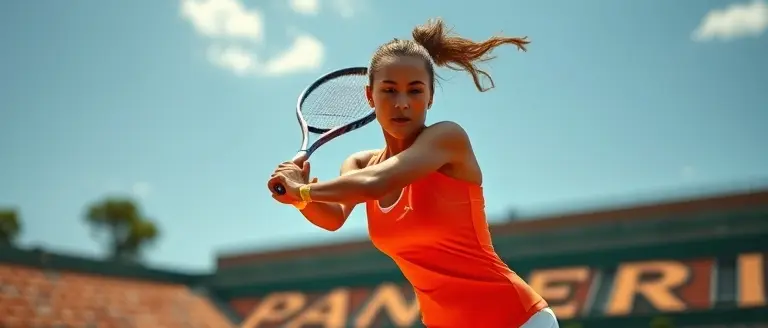
The first-round clash between Jasmine Paolini and Dayana Yastremska at the 2026 French Open delivered exactly the type of tactical contrast anticipated by analysts. Set against the iconic backdrop of Roland-Garros, the match evolved into a high-stakes chess match between Paolini’s disciplined court coverage and Yastremska’s volatile, high-velocity shot-making. While the Parisian crowd leaned into the momentum swings of the opening set, Paolini’s ability to neutralize Yastremska’s aggressive baseline heavy-hitting ultimately dictated the narrative of the afternoon. By maintaining a consistent depth, Paolini effectively forced Yastremska into hurried decisions, turning the match into a testament to defensive resilience over pure power.
Tactical Analysis and Momentum Shifts
The dynamic of the match hinged on whether Yastremska could shorten points before Paolini settled into her rhythm. Evidence from the court suggests that while the Ukrainian star produced flashes of brilliance with her forehand, she struggled to maintain the requisite consistency to break down Paolini’s defenses. Key takeaways from the performance include:
- Defensive Geometry: Paolini expertly utilized the clay surface to slide into defensive positions, successfully neutralizing Yastremska’s serve-plus-one combinations.
- Unforced Error Variance: Yastremska’s pursuit of high-risk winners led to a spike in unforced errors during the second set, allowing Paolini to consolidate breaks of serve.
- Mental Fortitude: Facing a potential confidence dip entering the tournament, Paolini demonstrated significant growth in high-pressure situations, particularly on crucial break points.
As the tournament moves toward the second round, this victory serves as a critical confidence booster for Paolini. For Yastremska, the loss highlights the ongoing challenge of tempering aggression with tactical patience. The atmosphere at Roland-Garros remained electric throughout, with the audience responding to the tactical adjustments made by both camps, but it was Paolini’s composure under the pressure of a Grand Slam opener that secured her progression into the next stage of the draw.
Turning Points: What Decided the Match?

The first-round clash between Jasmine Paolini and Dayana Yastremska at the 2026 French Open proved to be a masterclass in tactical discipline versus high-risk aggression. While the pre-match narrative focused heavily on Paolini’s recent struggles with confidence, the court told a story of superior composure. The decisive factor throughout the match was arguably the disparity in break point conversion rates during high-leverage moments. While Yastremska dictated the pace with explosive groundstrokes, she frequently struggled to find the baseline depth required to neutralize Paolini’s defensive stability on the slower Parisian clay.
Analyzing the Momentum Shifts
The match turned significantly in the middle of the second set, where Paolini capitalized on Yastremska’s rising unforced error count. By extending rallies and forcing an extra shot, the Italian demonstrated a sophisticated understanding of court geometry, effectively closing the door on Yastremska’s chances to mount a comeback. Key technical metrics that defined the outcome included:
- Second-Serve Efficiency: Paolini maintained a high winning percentage on her second serve, preventing Yastremska from dictating points on returns.
- Neutralization of Power: By absorbing the pace and redirecting the ball, Paolini minimized the effectiveness of Yastremska’s signature baseline aggression.
- Pressure Management: Evidence suggests that Paolini’s ability to remain patient during critical break points allowed her to dictate the cadence of the rallies, preventing her opponent from finding a consistent rhythm.
Ultimately, this victory serves as a psychological turning point for Paolini. By overcoming a formidable opponent like Yastremska in the opening round, she has validated her current training adjustments and tactical approach for the 2026 clay-court swing. This match was not merely a display of raw talent, but a calculated execution of a game plan designed to dismantle aggressive playstyles through persistent pressure and superior court coverage.
The Road Ahead: Paolini’s Trajectory in the Tournament
Following a high-stakes victory against Dayana Yastremska, Jasmine Paolini finds herself at a critical juncture in the 2026 French Open. This opening-round win is more than just a notch in the win column; it serves as a psychological reset after a series of inconsistent performances earlier in the season. By navigating the power-hitting threat posed by Yastremska, Paolini has validated her tactical preparation on the red clay, demonstrating the baseline resilience necessary to survive the grueling two-week format at Roland-Garros. Her ability to neutralize aggressive serves while maintaining depth under pressure suggests that her confidence levels are trending upward, a vital asset for the rounds to follow.
Navigating the Draw and Tactical Challenges
The road ahead for Jasmine Paolini will require a nuanced approach as she transitions into the second and third rounds of the tournament. The competition on the Parisian clay rarely stays stagnant, and she must be prepared to handle a variety of stylistic profiles:
- Adaptability to Spin: Potential matchups against heavy-spin specialists will test Paolini’s patience. She must maintain her recent form by forcing opponents to play uncomfortable, low-bouncing balls.
- Managing Fatigue: Given the intensity of her match against Dayana Yastremska, recovery protocols will be paramount. Any lingering physical strain could limit her lateral movement in longer, three-set encounters.
- Defensive Consistency: To progress deeper into the bracket, Paolini must continue to shorten points strategically, ensuring she does not fall into the trap of extended baseline rallies against more efficient movers.
If she sustains the tactical discipline displayed in this marquee opening-round fixture, Paolini is well-positioned to make a deep run. Her path, while demanding, now offers the momentum required to challenge higher-seeded players, provided she remains focused on point construction rather than relying solely on the errors of her opponents.
Expert Betting Insights and Performance Analytics
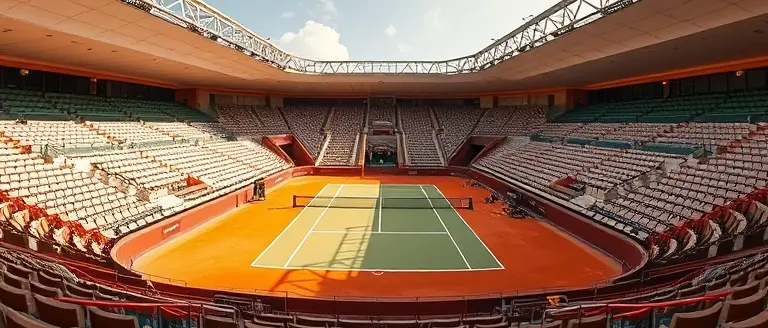
The opening-round clash between Jasmine Paolini and Dayana Yastremska at the 2026 French Open served as a primary bellwether for the women’s singles draw. Pre-match betting markets initially displayed a high degree of volatility, reflecting uncertainty regarding Paolini’s recent form and her ability to neutralize the high-octane offensive game of her opponent. While sportsbooks labeled this a marquee fixture, the final output indicates a significant shift in how oddsmakers will price future rounds. For bettors tracking movement on platforms like Polymarket and Kalshi, the match highlighted the necessity of looking beyond baseline rankings, as Paolini’s tactical discipline on the clay proved more predictive of success than pure power metrics.
Assessing the Trajectory for the Second Week
The outcome of this high-stakes encounter provides a clear roadmap for the remainder of the tournament. The victor now enters the conversation as a legitimate “dark horse” for the second week, provided they maintain the mental fortitude displayed in this opener. Market analysts are currently re-evaluating their futures portfolios based on these key performance indicators:
- Tactical Versatility: The ability to pivot from defensive resets to aggressive court coverage suggests a higher ceiling than pre-tournament models anticipated.
- Confidence Calibration: Overcoming the pressures of a Grand Slam opener often serves as a psychological catalyst, potentially shortening the odds for subsequent victories against higher-seeded players.
- Clay-Court Efficiency: Strategic movement and spin manipulation were prioritized over baseline aggression, a hallmark of deep runs in Paris.
Looking ahead, the market expects both players to remain focal points for statistical modeling. For the winner, the path forward involves leveraging this momentum to stabilize their betting valuation; for the loser, the focus shifts to how these performance gaps will impact their seeding and expectations for the upcoming grass-court swing. Professional bettors should monitor service hold percentages and break-point conversion rates from this match, as these metrics will likely dictate future line settings throughout the remainder of the 2026 French Open.
Mastering the Mindset of a Champion
The clash between Jasmine Paolini and Dayana Yastremska at the 2026 French Open served as a visceral reminder that Grand Slam tennis is won as much in the mind as it is with a racquet. While the world focused on the tactical adjustments on the clay, the true differentiator was the ability to maintain cognitive clarity under the blistering pressure of a major tournament. This match perfectly underscored the necessity of mental endurance when the stakes are at their highest.
Just as Jasmine Paolini must cultivate an unwavering focus to navigate the grueling rounds of Roland-Garros, we all face high-stakes moments that demand peak cognitive performance. If you have ever felt your concentration waver during a critical task, it is time to optimize your mental environment. The Brain Song offers a science-backed, non-invasive method to sharpen your focus and reduce cognitive fatigue through specialized auditory stimulation, effectively helping you train your mental game just like the elite athletes you admire.
By integrating this tool into your daily routine, you can experience enhanced clarity and superior learning capacity, mirroring the composure of a professional tennis player when they are in the zone. Don’t leave your performance to chance; elevate your mental capabilities and conquer your own challenges with the same precision found on the court.
 Unlock your elite potential—use The Brain Song to sharpen your mental focus and prepare for your own high-stakes challenges.Transform My Mental Performance Today!