

Stepping onto the hallowed clay of Court Philippe-Chatrier as a wildcard entry is the dream of every young tennis professional, but for Australian rising star Emerson Jones, the dream materialized into a high-octane reality at the 2026 French Open. Facing off against the indomitable four-time champion Iga Swiatek, Jones experienced the brutal, fast-paced intensity that defines the pinnacle of professional tennis. While the scoreline read 6-1, 6-2 in favor of the world number one, the match provided a crucial litmus test for the young prospect, highlighting the chasm between raw talent and the seasoned composure required to thrive under the intense scrutiny of a Grand Slam arena.
As tennis fans and pundits alike turn their attention toward the 2026 Roland Garros results—a day that also saw veterans like Jesper de Jong battling hard on the outside courts—the focus remains on how rising stars handle the weight of expectation. Emerson Jones’ appearance was not merely a loss; it was an education in elite-level mental conditioning. Surviving and eventually conquering a top seed requires more than just a powerful serve or refined groundstrokes; it demands a total optimization of the mind under extreme pressure.
Emerson Jones vs. Iga Swiatek: French Open 2026 First-Round Recap
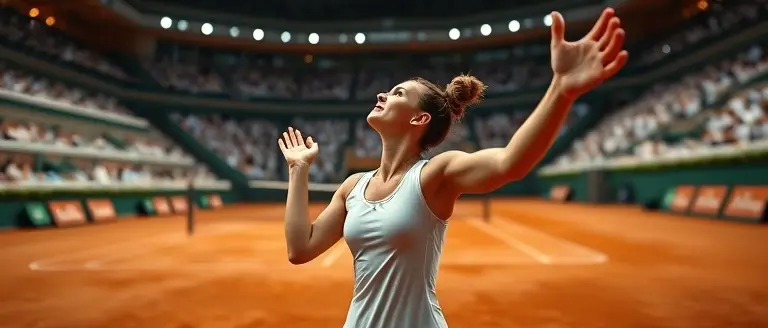
On May 25, 2026, the hallowed clay of Court Philippe-Chatrier hosted an intriguing clash of generations as Australian wildcard Emerson Jones made her high-profile debut against four-time French Open champion Iga Swiatek. While the match served as a stark reminder of the gap between rising prospects and the elite tier of the WTA, it offered valuable experience for Jones. Swiatek dominated proceedings from the opening serve, utilizing her signature heavy topspin and court coverage to neutralize Jones’ attempts at aggression. The match concluded in a swift 6-1, 6-2 victory for the top seed, lasting approximately one hour.
Key Match Takeaways
Despite the lopsided scoreline, the match highlighted the immense pressure faced by young wildcards when thrust onto the sport’s biggest stage. Jones struggled to maintain consistency against Swiatek’s unrelenting pace, yet showed flashes of potential that have made her a notable talent to watch in the junior and ITF circuits. For Swiatek, the routine win was a professional statement of intent as she aims to maintain her stronghold on the tournament.
- Final Score: 6-1, 6-2 in favor of Iga Swiatek.
- Match Duration: Approximately 60 minutes.
- Context: This victory underscores Swiatek’s status as the heavy favorite for the 2026 title.
- Strategic Impact: For Jones, the experience of playing a four-time champion serves as a benchmark for her future development on the professional tour.
The atmosphere on Day Two of the 2026 French Open remained electric, as fans witnessed a busy schedule of opening-round action. Concurrent matches, such as Jesper de Jong battling veteran Stan Wawrinka, kept spectators glued to the courts across the Roland Garros grounds. While Jones’ journey in Paris was cut short in the first round, her selection as a wildcard highlights the increasing trust in her long-term prospects. Analysts suggest that exposure to high-pressure environments against champions like Swiatek is the necessary, albeit difficult, crucible through which future stars must pass to reach the next level of the game.
Performance Analysis: Jones’ Debut on the Grandest Stage
Stepping onto Court Philippe-Chatrier as a wildcard entrant against a four-time champion is arguably the most daunting challenge in professional tennis. For Emerson Jones, the 2026 French Open represented a significant baptism by fire. While the final scoreline of 6-1, 6-2 in favor of Iga Swiatek might suggest a lopsided affair, the match provided a crucial baseline for the young Australian’s development. Under the intense glare of the Parisian sun, Jones initially struggled with the sheer pace of Swiatek’s groundstrokes, a common hurdle for players transitioning from the junior circuit to the WTA premier level.
Key Takeaways from the Matchup
Despite the lopsided result, observers noted several flashes of brilliance from the teenager. Jones managed to hold her own during several extended baseline rallies, demonstrating a resilient temperament that suggests she is not easily intimidated by top-tier opposition.
- Tactical Exposure: Facing a master of clay like Swiatek revealed the specific gaps in Jones’ current defensive movement, particularly on high-bouncing surfaces.
- Mental Fortitude: By staying composed through the latter stages of the second set, Jones proved she possesses the temperament required to compete at the Grand Slam level.
- Pace Management: The primary challenge remained neutralizing the heavy topspin that characterizes Swiatek’s play, a lesson that will undoubtedly inform Jones’ future training cycles.
The reality check provided by this first-round exit is an essential component of the “hard road” often traveled by wildcard entries. While others like Jesper de Jong were busy navigating their own intense opening-round battles against veterans like Stan Wawrinka on the same day, Jones was busy absorbing the tactical nuances of high-stakes play. This experience on the premier stage will serve as a vital reference point as she continues her professional trajectory. Though the scoreboard was unforgiving, the data gathered from this sixty-minute session is invaluable for her coaching staff to recalibrate her approach to elite clay-court tennis.
The Hard Road for Wildcards at Roland Garros 2026
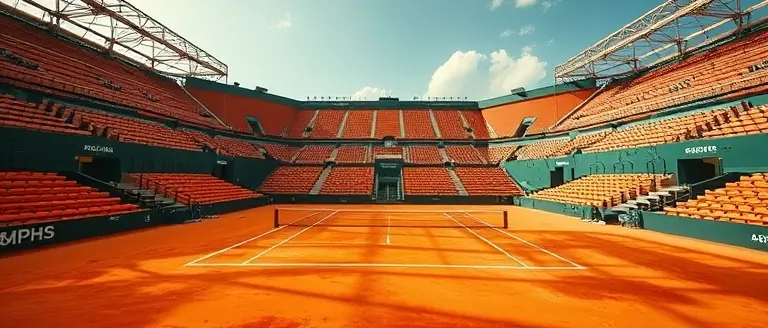
The appearance of Emerson Jones at the 2026 French Open serves as a stark reminder of the immense disparity between rising prospects and established world-class champions. Receiving a wildcard entry into a Grand Slam is a career-defining milestone for any young athlete, yet the draw often dictates a baptism by fire. For Jones, the reality of Roland Garros meant stepping onto the iconic Court Philippe-Chatrier to face the formidable Iga Swiatek. While the 6-1, 6-2 scoreline suggests a dominant display by the four-time champion, these matches are rarely about the final tally; they are about the technical and psychological initiation into professional tennis at its highest echelon.
The Statistical Reality for Unseeded Contenders
Historically, the transition from the junior circuit or regional qualifying to a Grand Slam main draw is statistically daunting. Wildcards are frequently pitted against top-tier seeds in the opening round, leaving them little room for error. This scheduling, which also saw players like Jesper de Jong facing seasoned veterans like Stan Wawrinka on the same day, underscores the brutal competitive landscape of the French Open. Key challenges for players in Jones’ position include:
- Tactical Pressure: Facing a player of Swiatek’s caliber requires immediate adjustments to serve speed, spin intensity, and baseline rally tolerance.
- Atmospheric Stakes: The pressure of performing on a global stage in front of a packed stadium can often lead to unforced errors for inexperienced competitors.
- Physical Endurance: Navigating the recovery protocols required to compete at the intensity of a major tournament is a steep learning curve for newcomers.
Despite the swift exit, these matches provide invaluable empirical data for coaching staffs. The goal for a young player like Emerson Jones is to extract actionable insights from the loss, using the experience to bridge the gap between wildcard potential and top-100 consistency. By analyzing the tactical dominance of a champion, rising stars can better refine their own games for future tour-level success.
A Day of Upsets and Icons: The Opening Round Schedule
The 2026 French Open opening rounds have proven to be a high-stakes gauntlet, showcasing the brutal reality of Grand Slam tennis for both rising prospects and seasoned veterans. On May 25, 2026, the atmosphere at Roland Garros was electric, with Court Philippe-Chatrier serving as the stage for a compelling narrative of contrast. While all eyes were fixed on the tournament favorite Iga Swiatek in her dominant victory over the Australian wildcard Emerson Jones, the surrounding schedule highlighted the immense depth of the draw. The scheduling forced spectators to navigate a packed slate of matches that tested the physical and mental stamina of every competitor on the clay.
Navigating the Opening Day Challenges
The day’s narrative extended far beyond the main show courts, reflecting a busy schedule where veteran resilience met the hunger of younger players. Specifically, the match involving Jesper de Jong and three-time Grand Slam champion Stan Wawrinka captured significant attention, serving as a tactical contrast to the quick-fire pace of the Swiatek-Jones match. As the tournament progresses, the following key takeaways define this opening phase:
- The Wildcard Trial: Players like Emerson Jones face an uphill battle when drawing top-tier seeds in the opening round, often serving as a barometer for their potential on the world stage rather than a realistic path to victory.
- The Veteran Factor: Icons like Wawrinka provide a masterclass in clay-court endurance, creating immense pressure for opponents like Jesper de Jong who must sustain focus over long rallies.
- Scheduling Density: With high-profile matches occurring concurrently, the French Open 2026 has emphasized the need for versatility among fans, as upsets and dominant performances frequently overlap during the initial days.
For tournament organizers and viewers alike, this opening sequence underscores the volatility of the Roland Garros bracket. Whether it is a top seed asserting dominance or a qualifier fighting for every point, the intersection of iconic history and future talent remains the heartbeat of the tournament.
The Secret Weapon of Elite Champions
The transition from a promising wildcard to a consistent contender at the Grand Slam level is paved with moments of intense psychological strain. Emerson Jones demonstrated the courage to compete on the world’s biggest stage, but maintaining focus when the crowd, the lights, and the brilliance of an opponent like Swiatek converge is the true challenge of the professional tour. It is this high-pressure environment that separates the good from the legendary.
While physical training is constant, the most elite competitors now recognize that cognitive resilience is the ultimate differentiator. This is where The Brain Song bridges the gap between raw potential and champion-level execution. By integrating a structured, daily routine into your life, you are not just working harder; you are conditioning your mind to eliminate the ‘brain fog’ and mental fatigue that plague even the most gifted athletes during high-stakes scenarios.
Just as Jones is learning to command her focus during the chaos of the French Open, you can leverage the same principles of cognitive conditioning to elevate your performance in any high-stakes arena. Whether you are aiming to dominate in sports, business, or personal pursuits, unlocking a sharper mental edge is the natural next step in your evolution.
 Learn how the pros sharpen their mental edge—click here to start your 12-minute daily brain-training routine.Unlock My Mental Potential Now!