
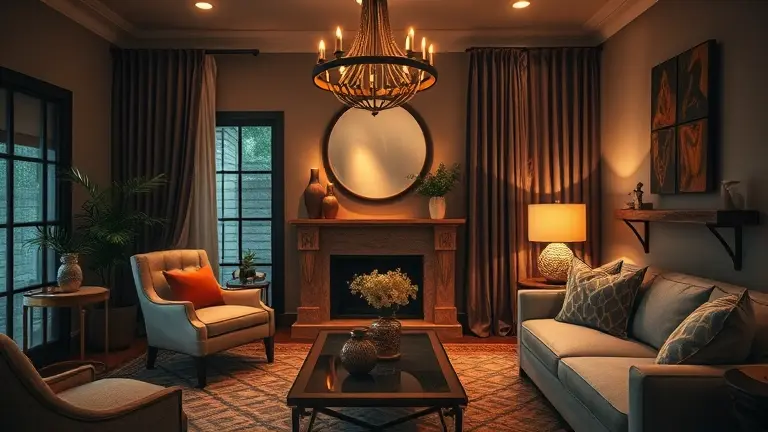
As we navigate the 2026 design landscape, the retail giant West Elm continues to dominate the conversation, recently bolstered by robust corporate growth and a flurry of seasonal activity surrounding their new Spring/Summer collection. While the brand has long been the gold standard for accessible, polished aesthetics, a seismic shift is underway. The ubiquity of mid-century modern is beginning to wane, making space for a sophisticated resurgence of 1920s-inspired Jazz Age elegance and fluid gradient design. For the discerning homeowner, this evolution presents an exciting, yet challenging, opportunity to evolve their living space beyond the traditional showroom look.
However, the transition to these richer, more intricate aesthetics often comes with a steep price tag, leaving many consumers frustrated by the cost of luxury furniture and the hit-or-miss nature of generic ‘dupes.’ As design enthusiasts look to capture this elevated era, the true power no longer lies in merely browsing catalog refreshes, but in the ability to curate a home that is as unique as the vision behind it. It is time to move past passive consumption and reclaim the craft of interior design.
West Elm’s 2026 Momentum: From Memorial Day Sales to Corporate Growth
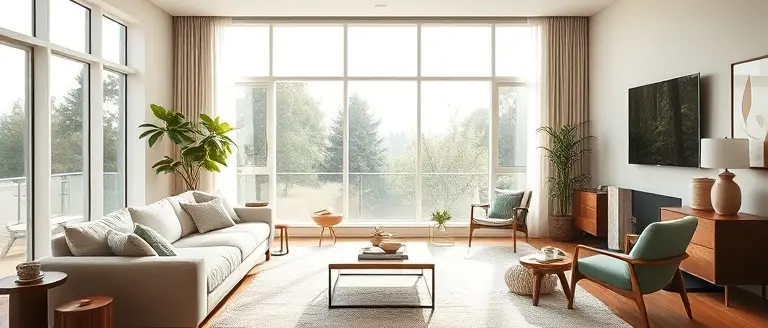
The current landscape for West Elm is defined by a unique intersection of aggressive seasonal retail strategies and robust fiscal health. Following the May 21, 2026, announcement of positive Q1 2026 financial results by parent company Williams-Sonoma, Inc. (WSM), the brand has demonstrated significant market resilience. This corporate momentum serves as a launchpad for the brand’s expansive growth strategy, which includes the planned opening of five new physical retail locations throughout 2026. By aligning its corporate stability with high-intent consumer periods, West Elm has effectively solidified its position as a dominant force in the home furnishing sector.
Aligning Seasonal Demand with Financial Strength
The brand’s strategic deployment of the Spring/Summer 2026 (SS26) collection coincides perfectly with the high-traffic Memorial Day shopping period. Evidence suggests that this timing is deliberate, designed to capture consumer interest in home refreshes while clearing inventory to support new design directives. Social media sentiment reflects a spike in transactional intent, driven by substantial price reductions on high-demand items like table lamps and decor, which effectively bridge the gap between aspirational design and accessible pricing.
Key pillars of this current retail success include:
- Strategic Discounting: Leveraging holiday promotional cycles to maintain high inventory turnover for the SS26 launch.
- Design-Led Innovation: A pivot toward embroidery and comfort-focused textiles that align with evolving consumer preferences for softer, more tactile interiors.
- Institutional Growth: Capitalizing on the broader WSM portfolio strength to fund physical store expansion and enhance the omnichannel shopping experience.
By focusing on these tactical growth areas, West Elm is not merely reacting to market fluctuations but is instead steering consumer behavior toward its latest, refreshed catalog. This dual-layer success confirms that both investors and shoppers remain deeply engaged with the brand’s trajectory as it moves into the latter half of 2026.
SS26 Must-Haves: Curating Your Summer Refresh
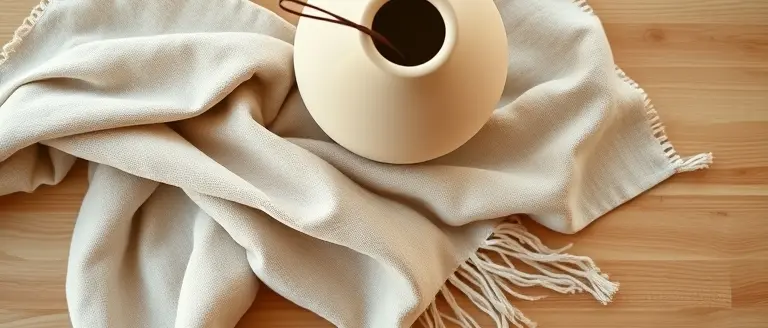
The arrival of the Spring/Summer 2026 collection from West Elm marks a significant pivot in home decor, moving away from rigid mid-century modern structures toward a softer, more textural experience. As we head into the Memorial Day holiday, current market data from Williams-Sonoma, Inc. indicates that the brand is heavily incentivizing this seasonal transition. For homeowners looking to refresh their living spaces, the current promotional cycle offers a rare window to acquire high-end, artisan-inspired pieces at a fraction of their retail price. The SS26 catalog leans heavily into intricate embroidery and tactile comfort, perfect for creating a breezy, elevated summer atmosphere.
Strategic Picks for a Seasonal Update
When curating your space for the warmer months, prioritize items that offer both visual warmth and long-term functional value. Social sentiment and retail tracking show that lighting and ceramic accent pieces are seeing the most aggressive price drops during this holiday window. Consider these targeted investments to align your home with current design shifts:
- Sculptural Table Lamps: Many lighting fixtures—previously retailing near $200—are currently marked down as low as $76. These pieces serve as the perfect bridge between minimalist mid-century staples and the emerging “Jazz Age” revival, characterized by metallic finishes and geometric silhouettes.
- Embroidered Textiles: The SS26 focus on craftsmanship is evident in the new line of throw pillows and bedding. Integrating these textiles allows for an immediate room refresh without the need for a full furniture overhaul.
- Statement Ceramics: Moving toward the “gradient” design trend, West Elm’s latest pottery additions provide subtle color transitions that soften the harsh lines often associated with modern interiors.
By focusing on these high-discount items, you capitalize on the strong Q1 2026 financial momentum reported by Williams-Sonoma while ensuring your home remains ahead of the curve. These seasonal staples are designed to provide a cohesive aesthetic update, proving that you do not need a complete renovation to modernize your living environment for the summer season.
The Design Evolution: Bridging Mid-Century Roots with 1920s Glamour
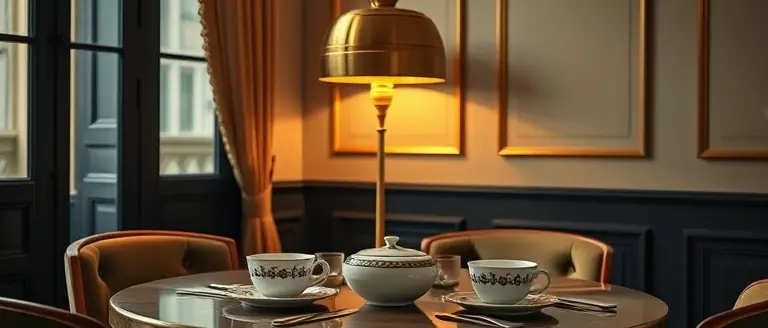
As the interior design landscape shifts away from the long-standing dominance of mid-century modern, West Elm is successfully navigating a transition toward the sophisticated, decorative richness of the 1920s. While the brand built its reputation on clean, functional lines, the 2026 Spring/Summer collection introduces an aesthetic pivot that prioritizes ornate texture and dramatic silhouettes. This evolution reflects a broader market desire for “Jazz Age” opulence, characterized by velvet upholstery, polished metallic finishes, and intricate geometric patterns that move beyond the minimalist constraints of the past decade.
Integrating 1920s Aesthetics into Modern Homes
To bridge the gap between legacy mid-century staples and the emerging 1920s-inspired trend, homeowners are increasingly utilizing transitional decor pieces. West Elm has positioned itself at the forefront of this movement by offering accessories that act as architectural anchors. By replacing neutral, flat-surfaced decor with more tactile, high-contrast elements, you can easily modernize your space without discarding your existing furniture foundations. Key items that facilitate this transition include:
- Metallic Table Lamps: Replacing wooden or matte-finish lamps with brass or chrome-detailed lighting captures the industrial glamour synonymous with the 1920s.
- Geometric Ceramics: Moving from organic, rounded shapes to sharper, angular pottery adds a layer of structural sophistication that complements both vintage and contemporary settings.
- Rich Textural Layers: Incorporating embroidery and plush fabrics, as seen in the latest SS26 collection, helps soften the rigidity of mid-century furniture, creating a more inviting, layered environment.
This strategic shift aligns with the brand’s current momentum and recent financial successes, demonstrating that West Elm understands the evolving consumer palate. By investing in these versatile, transitional pieces, you can effectively future-proof your living space, ensuring that your home feels both timelessly classic and perfectly attuned to the trending 1920s revival.
Future-Proofing Your Home: Trend Analysis and Cross-Brand Potential
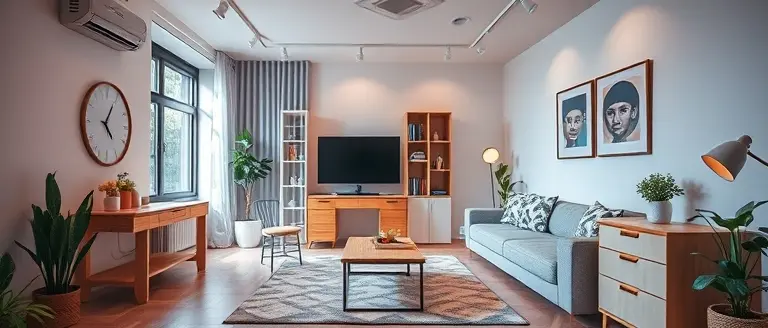
As the design landscape shifts away from the long-standing dominance of mid-century modern aesthetics toward the ornate, structured elegance of the 1920s “Jazz Age,” savvy homeowners are looking for ways to adapt their spaces without total overhauls. West Elm is strategically positioning its current catalog to facilitate this transition, blending its signature clean lines with emerging textures and bolder, sculptural silhouettes. By leveraging the parent company’s broader retail ecosystem—most notably the integration of Dormify—the brand is providing modular, versatile solutions that cater to urban dwellers and those in smaller living spaces who require high-performance, flexible furniture.
Leveraging Modular Ecosystems for Small Spaces
The synergy between West Elm and its partner brands allows for a “living library” of home decor that grows with the resident. Instead of investing in single-use statement pieces, the focus is shifting toward high-utility assets that bridge current trends and future styles. Consider these strategies for maintaining a trend-forward home:
- Layering Texture: Incorporate the heavy, tactile influences of 1920s-inspired decor—such as velvet upholstery or intricate embroidery—into the minimalist foundations of your existing West Elm furniture.
- Modular Expansion: Utilize the lightweight, space-efficient design ethos found in Dormify collaborations to complement the heavier, heirloom-quality items in the SS26 collection, allowing for better airflow and visual movement in compact rooms.
- The Gradient Shift: As color trends move toward gradients and ombré effects, prioritize soft goods like throw pillows and ceramic accessories, which serve as low-risk, high-impact transition pieces.
By focusing on these adaptable categories, you can effectively future-proof your living space. The evidence suggests that successful interior evolution relies on maintaining a core foundation of quality craftsmanship while pivoting through accessories that mirror seasonal shifts. This approach ensures your home remains relevant as the industry moves toward more maximalist, historical design narratives in the coming years.
Master the Art of Bespoke Design
The transition toward 1920s-inspired decor marks a departure from mass-produced uniformity toward a more tactile, curated home experience. While browsing the latest collections for inspiration is a great starting point, many design enthusiasts are finding that the best way to capture the authentic ‘Jazz Age’ look without the premium retail price is to build it themselves. By mastering the fundamentals of woodworking, you can bypass the markup of luxury retailers and create high-end, custom furniture that fits your unique vision perfectly.
Ted’s Woodworking acts as your ultimate ‘Maker’s Toolset,’ providing the technical blueprints and precision guidance necessary to move from a retail-dependent consumer to an empowered interior designer. This resource bridges the gap between your aesthetic aspirations and your budget, ensuring you aren’t limited by what a showroom has in stock. With access to 16,000 workshop-tested plans, you gain full control over your home’s narrative, allowing you to craft professional-grade pieces that possess a level of quality and character that mass-produced items simply cannot match.
Your home should be a reflection of your evolving taste and creativity. Why settle for the trends of yesterday when you can build the legacy of tomorrow? Turn your design concepts into reality today and bring the timeless elegance of the Jazz Age into your living room with your own two hands.
 Ready to bring these 1920s-inspired visions to life? Access the library of 16,000 workshop-tested plans and start crafting your own high-end furniture today.Yes, I Want to Build My Custom Home Now!