
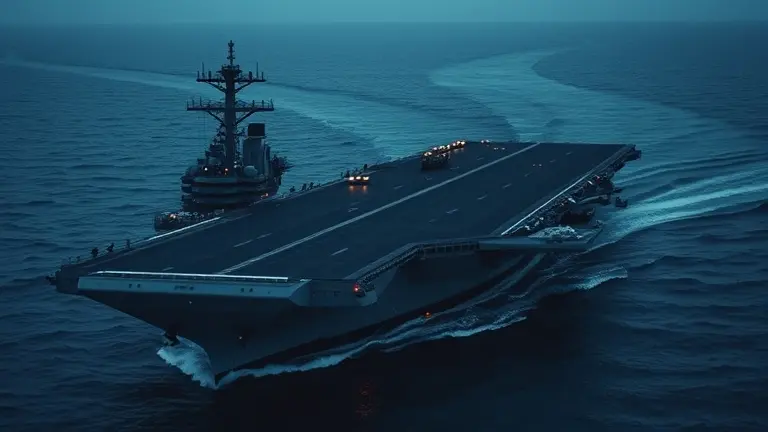
When the USS Gerald R. Ford (CVN-78) finally pulled back into port in late May 2026, the emotional reunion of thousands of sailors with their families marked the end of a grueling, 334-day deployment. This record-breaking mission, conducted against the backdrop of persistent regional tensions involving Iran, transformed the vessel from a mere piece of advanced naval hardware into a powerful symbol of American endurance and sacrifice. For those on the pier, the focus was entirely human, yet the sheer length of this tour underscores a changing reality for the U.S. Navy: these ships are working harder and staying longer than ever before.
Beyond the emotional homecoming, the USS Gerald R. Ford sits at the center of a growing national conversation that blends complex geopolitics with startling technical speculation. As analysts evaluate the strategic necessity of such extended regional presence, a fascinating new theory has emerged regarding the ship’s dual utility: could the same nuclear technology that powers this gargantuan carrier be adapted for domestic infrastructure? To understand the ship’s future, we must look past the headlines and examine the intersection of military reality and engineering ambition.
Home at Last: The 334-Day Odyssey of the USS Gerald R. Ford

In late May 2026, the USS Gerald R. Ford (CVN-78) finally returned to port, marking the end of a grueling 334-day deployment. This historic, near-year-long mission in support of operations surrounding the conflict with Iran has pushed the boundaries of modern naval endurance. As the ship pulled into harbor, the atmosphere was defined by a profound sense of relief and national gratitude, arriving just in time to intersect with the Memorial Day weekend. This timing served as a poignant reminder to the American public of the heavy sacrifices made by service members and their families during these protracted overseas rotations.
A Human-Centric Perspective on Naval Duty
The return of the u s s gerald r ford highlighted the human element often lost in geopolitical reporting. For the thousands of sailors aboard, the deployment meant missing birthdays, anniversaries, and major milestones. Reports from the homecoming scenes painted a vivid picture of these reunions, where the weight of nearly a year at sea dissipated in the moments families finally embraced on the pier.
Key takeaways from this landmark deployment include:
- Unprecedented Endurance: The 334-day mission underscores the increased demand on the U.S. Navy’s carrier strike groups to maintain persistent presence in volatile regions.
- Psychological Impact: Experts note that such extended deployments require significant mental resilience from both the crew and their support networks back home.
- National Consciousness: The convergence of the homecoming with Memorial Day intensified the public focus on the reality of the ongoing regional conflict, bridging the gap between abstract policy and lived experience.
This odyssey represents more than just a logistical feat; it stands as a testament to the crew’s dedication under intense geopolitical pressure. While the vessel has returned, the echoes of its long-term deployment continue to shape discussions regarding the sustainability of current U.S. naval operational tempos.
The Strategic Mandate: Why Navy Deployments Are Stretching Longer
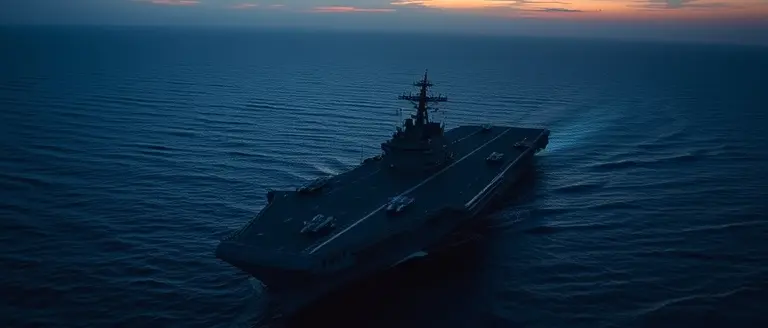
The recent return of the USS Gerald R. Ford (CVN-78) after a grueling 334-day deployment underscores a fundamental shift in U.S. naval operations. Traditionally, carrier strike group deployments adhered to a six-to-eight-month rotation cycle, allowing for planned maintenance and crew respite. However, the escalating conflict with Iran has necessitated a departure from these routine rotations. Instead, the Pentagon has moved toward a model of “persistent presence,” where high-value assets like the u s s gerald r ford are held on station significantly longer to provide a credible, round-the-clock deterrent against regional aggression. This strategic pivot reflects the reality of a multi-theater security environment where the capacity to project power must be constant rather than periodic.
Operational Pressures and Geopolitical Drivers
The decision to extend these deployments is not taken lightly; it is a direct response to the fluid and high-stakes nature of U.S.-Iran relations. By maintaining the CVN-78 within the area of operations, the Navy ensures that strike capabilities are immediately available for both defensive and offensive contingencies. Several factors contribute to this intensified operational tempo:
- Strategic Deterrence: A carrier strike group serves as a tangible signal of commitment to allies and a warning to adversaries, effectively closing the window of vulnerability that might exist during a traditional carrier handover.
- Force Availability: With a finite number of active carriers in the fleet, the Navy must maximize the utility of its most advanced platforms to cover vast oceanic distances and volatile maritime corridors.
- Persistent Intelligence: The Ford-class carrier serves as a sophisticated node for surveillance and reconnaissance, allowing the military to track movements in the region with unprecedented precision.
While this approach enhances military readiness, it places an immense burden on the personnel who operate these vessels. The emotional toll on families, as highlighted by recent homecomings, is the human cost of this heightened strategic mandate. As the U.S. continues to balance diplomatic efforts with the necessity of military strength, the reliance on extended deployments for ships like the USS Gerald R. Ford remains a cornerstone of the nation’s current maritime security strategy.
Fact vs. Fiction: Assessing the ‘Floating Nuclear Plant’ Theory
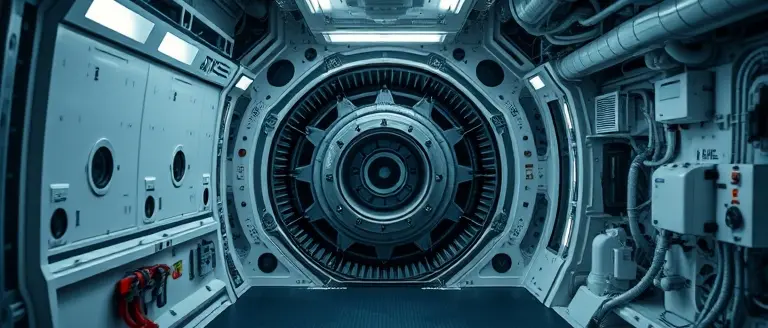
In the wake of the USS Gerald R. Ford (CVN-78) returning from its record-breaking 334-day deployment, viral speculation has emerged regarding the vessel’s potential to function as a floating nuclear power plant for domestic infrastructure. While the concept of leveraging naval technology for civilian energy needs is theoretically intriguing, it is essential to distinguish between operational capability and strategic feasibility. The u s s gerald r ford utilizes two A1B nuclear reactors, which are specifically engineered for the high-intensity, mobile, and rapid-power-demand requirements of an aircraft carrier. Unlike static land-based nuclear power plants, these reactors are integrated into a complex, hardened naval combat system that is not currently designed for grid-scale energy distribution.
Technical and Policy Realities
From an engineering perspective, the conversion of a naval reactor for onshore utility support faces significant hurdles. Navy nuclear propulsion systems prioritize high-density output to power the electromagnetic aircraft launch systems (EMALS) and sensor suites, rather than the stable, long-term base-load power required by a municipal grid. Furthermore, Pentagon policy regarding the Gerald R. Ford-class carriers remains strictly focused on global power projection and maritime security. There is currently no official evidence or Department of Defense documentation suggesting that the Navy intends to repurpose its combat assets for civilian power generation. Key factors limiting this transition include:
- Infrastructure Mismatch: Naval ship-to-shore power connections lack the capacity and regulatory safety certifications for permanent integration with civilian power grids.
- Operational Readiness: Using a carrier as a static power plant would remove a multi-billion dollar strategic asset from the fleet, creating a significant naval capability gap during periods of heightened geopolitical tension in the Middle East.
- Regulatory Barriers: The Nuclear Regulatory Commission (NRC) oversees civilian power, while the Department of Energy’s Naval Reactors program manages military propulsion; merging these distinct regulatory frameworks presents immense legal and safety challenges.
While the “floating power plant” narrative makes for compelling online discourse, the USS Gerald R. Ford remains, first and foremost, the centerpiece of American naval power. The technological sophistication of the ship is a marvel of maritime engineering, but its primary function continues to be the preservation of regional stability and national defense, rather than the augmentation of domestic infrastructure.
The Future of CVN-78: Resilience in a Changing Global Landscape
The record-breaking 334-day deployment of the USS Gerald R. Ford (CVN-78) serves as a critical stress test for the U.S. Navy’s newest class of nuclear-powered aircraft carriers. As the fleet transitions from the Nimitz-class era to this more technologically advanced architecture, the operational data gathered during the recent U.S.-Iran conflict highlights both the vessel’s immense strategic utility and the logistical hurdles inherent in sustaining high-tempo deployments. The Pentagon is now analyzing the ship’s systems, particularly its Electromagnetic Aircraft Launch System (EMALS) and Advanced Arresting Gear (AAG), to determine how these components held up under the relentless strain of nearly a year at sea.
Lessons from Extended Deployment
The endurance of the u s s gerald r ford has prompted a re-evaluation of Navy maintenance cycles and crew rotational policies. While the ship performed admirably, the “wear and tear” associated with such an extended mission necessitates an intensive post-deployment overhaul to ensure long-term readiness. Key takeaways for the Navy include:
- Operational Readiness: Identifying which sub-systems required the most intensive maintenance during the deployment to optimize future shipyard timelines.
- Sustainability: Assessing the viability of “forward-leaning” maintenance strategies to keep carriers in theater longer without compromising safety.
- Technological Integration: Refinement of the Ford-class power generation capabilities, which are designed to support future laser-based weaponry and increased electronic warfare suites.
Addressing the Future Role of CVN-78
Looking forward, the USS Gerald R. Ford occupies a complex position in national security strategy. Speculation regarding the ship’s potential to serve as a mobile, floating nuclear power plant for coastal disaster relief or infrastructure support has sparked intense debate. While the Navy maintains its primary focus on power projection and regional deterrence, the vessel’s two A1B nuclear reactors offer a massive, concentrated power source that is, theoretically, a unique asset. However, officials emphasize that any deviation from the ship’s primary combat role remains secondary to the mission of maintaining maritime superiority in an increasingly contested and volatile global landscape.
The Precision Required for Future Frontiers
The saga of the USS Gerald R. Ford serves as a testament to the immense complexities inherent in modern engineering. Whether it is the strategic deployment of a nuclear-powered supercarrier in volatile waters or the theoretical adaptation of its reactor systems for civil utility, the common denominator is the need for unparalleled accuracy. Just as the Pentagon evaluates the technical blueprints and structural viability of the Ford-class for land-based power, many of us look for that same level of precision and reliability when tackling our own complex infrastructure projects at home.
Precision is not just a military requirement; it is the cornerstone of any successful build. If you find yourself captivated by the meticulous design and structural integrity of the CVN-78, you likely possess the mindset of a master creator. This is why we recommend Ted’s Woodworking. By providing a vast, professional-grade library of tested blueprints, this resource allows you to eliminate costly mistakes and frustration, ensuring that your personal projects mirror the level of exactness seen in modern naval engineering.
By integrating these professional-grade plans into your own workshop, you bridge the gap between abstract appreciation of ship schematics and the tangible, rewarding pursuit of high-value construction. It is time to bring that same engineering discipline to your next build, ensuring that every project you undertake stands the test of time.
 If you are fascinated by the technical precision behind the Gerald R. Ford’s design, bring that same professional exactness to your next project with the world’s most comprehensive library of workshop-tested plans.Transform My Projects Today!