

In 2026, the search term “mask” has evolved into a complex navigational puzzle, reflecting a world of rapid innovation and digital noise. From the speculative volatility surrounding the Mask Network token to the cutting-edge development of AI-driven TokenMask architecture and the rise of sustainable snail-mucus skincare, the word has become a fragmented identifier for disparate industries. What once seemed like a singular concept is now a diverse landscape of clinical interest, financial speculation, and biotechnological breakthroughs.
For those navigating this digital maze, understanding the nuance behind the trend is essential. Whether you are researching clinical respiratory innovations, tracking crypto-market trends, or seeking the latest in dermatological advancements, the key lies in identifying where your specific interest intersects with reality. In this analysis, we peel back the layers of the 2026 “mask” phenomenon, helping you filter out the noise and connect with the meaningful advancements currently reshaping health, technology, and beyond.
The 2026 ‘Mask’ Phenomenon: A Landscape of Disparate Trends
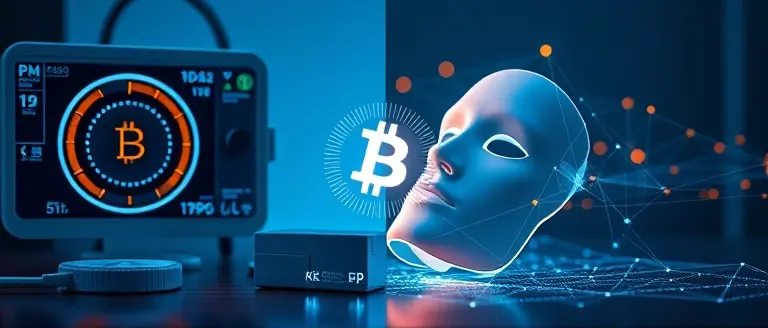
In 2026, the search term “mask” has transcended its traditional definitions, evolving into a multifaceted keyword that spans four distinct, high-growth industries. Rather than representing a unified socio-political or singular consumer trend, the term now acts as a navigational junction for users across the medical, financial, aesthetic, and technological sectors. This fragmentation reflects the rapid pace of innovation where disparate fields have arrived at the same terminology simultaneously. Whether you are tracking the volatility of digital assets or researching breakthroughs in dermatology, understanding this landscape is essential to filtering the noise from your specific field of interest.
Navigating the Four Pillars of ‘Mask’
To effectively leverage information in this ecosystem, it is critical to distinguish between the primary domains currently dominating the search volume:
- Clinical & Medical Technology: This sector focuses heavily on CPAP/BiPAP market expansion and advancements in neonatal ventilation. Research publications in journals like Nature and ScienceDirect continue to drive high-intent searches for specialized clinical hardware.
- Cryptocurrency & Finance: The Mask Network (MASK) token is a focal point for financial analysts, particularly following recent liquidity shifts and volatility triggered by institutional withdrawal activity. Additionally, macroeconomic reports—such as those from UNCTAD—use the term metaphorically, noting how an AI-driven trade boom often “masks” underlying global economic sluggishness.
- Skincare & Bio-Innovation: The beauty industry is witnessing a surge in interest regarding eco-friendly LED face masks and innovative fibrous materials derived from snail mucus. With the market projected to reach USD 1667.51M by 2035, this segment represents the most significant consumer-facing growth area.
- Artificial Intelligence: In the realm of computer science, the term is synonymous with TokenMask architectures within Vision Transformers. This technical application is a cornerstone of modern machine learning research, often surfacing in professional academic data sets.
By identifying which of these four silos your inquiry aligns with, you can bypass generic search results and access the precise, data-driven intelligence required for your specific professional or consumer needs.
Medical Innovation: The Rise of Advanced Respiratory Ventilation
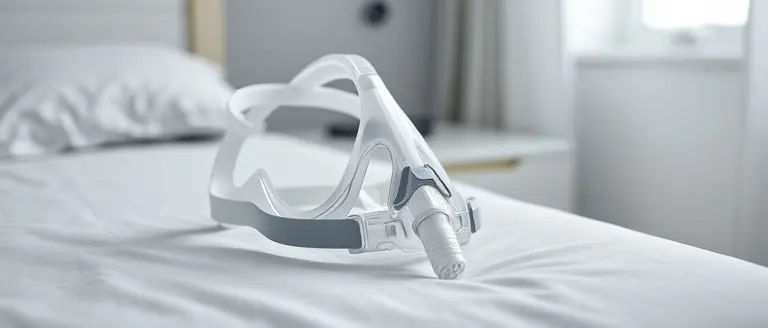
The clinical landscape for respiratory therapy is undergoing a significant transformation in 2026, driven by a surge in demand for sophisticated CPAP and BiPAP technology. As home-care medical devices become the standard for managing chronic conditions like obstructive sleep apnea, the focus has shifted toward enhancing patient compliance through ergonomic, user-centric mask design. Manufacturers are increasingly prioritizing materials that minimize skin irritation and pressure sores, acknowledging that long-term usage is contingent upon physical comfort. Recent advancements in silicone interface technology and lightweight, breathable fabrics have set a new benchmark for nocturnal ventilation support.
Innovations in Neonatal and Home-Care Devices
Current research, particularly in neonatal ventilation, highlights a critical move toward non-invasive support systems that prioritize infant comfort while maintaining precise oxygen delivery. This innovation is mirroring trends in the adult home-care sector, where integration with AI-driven monitoring software allows for real-time adjustment of air pressure. Key focus areas within the clinical sector include:
- Bio-Compatible Materials: Development of hypoallergenic seals to reduce facial dermatitis during extended wear.
- Connectivity Standards: Regulatory updates in the US market now demand more robust data security protocols for devices that transmit patient respiratory metrics to healthcare providers via cloud platforms.
- Flow Optimization: Improved airflow dynamics in ventilation interfaces to prevent CO2 rebreathing, a primary concern in both pediatric and geriatric respiratory care.
As regulatory bodies continue to refine safety guidelines for portable ventilation, the market is seeing a push toward modular designs that allow patients to interchange components. This ensures that the specialized mask interface—the most critical point of contact—can be customized to the unique facial topography of the user. Evidence suggests that these tailored, comfort-first approaches are significantly improving adherence rates, effectively bridging the gap between clinical efficacy and patient quality of life in home-based treatment environments.
Market Volatility: Navigating the Mask Network and Economic ‘Masking’

In the mid-2026 financial landscape, the term mask carries dual weight, referring both to the high-volatility Mask Network (MASK) token and the broader macroeconomic phenomenon of “economic masking.” Investors tracking the Mask Network have faced significant turbulence following withdrawal activity linked to Alameda Research entities throughout May 2026. This sell-side pressure has forced retail and institutional holders to re-evaluate the utility-to-risk ratio of the token. Market analysts suggest that while the project maintains its core goal of bridging Web3 functionality to social media, the current price action is highly reactive to liquidity shifts and broader sentiment in the decentralized finance (DeFi) sector.
Distinguishing Asset Volatility from Macro Trends
Beyond the specific performance of the MASK token, market participants must learn to identify “economic masking”—a scenario where localized growth obscures structural weakness. Recent reports from UNCTAD highlight how a singular focus on the AI-driven trade boom can create a facade of robust global recovery. In reality, this technology-led surge often masks a broader slowdown in traditional manufacturing and logistics sectors. Investors who fail to look past the surface-level optimism of AI-sector performance may be caught off guard by cooling indicators elsewhere in the global supply chain.
To navigate these dual challenges, investors should prioritize the following:
- Liquidity Monitoring: Track wallet activity and exchange inflows for the Mask Network to anticipate potential dump cycles before they impact portfolio valuations.
- Economic Divergence Analysis: Compare performance metrics in high-growth AI sub-sectors against stagnation in industrial output to determine if growth is authentic or merely an illusory “mask.”
- Risk Hedging: Utilize non-correlated assets to buffer against the volatility inherent in speculative tokens that are susceptible to institutional exit strategies.
By differentiating between the technical volatility of specific blockchain projects and the macro-level trend of economic masking, traders can better position their portfolios to withstand the complex, often deceptive, market signals characteristic of the current fiscal year.
Next-Gen Beauty: The Evolution of Bio-Fibrous Skincare Masks

The skincare industry is undergoing a paradigm shift in 2026, pivoting away from synthetic polymers toward sustainable, bio-engineered solutions. Central to this transformation is the rise of bio-fibrous skincare masks, which utilize advanced biomaterials—most notably refined snail mucus secretions—to deliver active ingredients with unprecedented precision. Unlike traditional cotton or paper sheets that often sit on the surface of the skin, these next-gen fibrous masks utilize a complex, porous mesh architecture that mimics the structural integrity of the human epidermis. This ensures deeper penetration of peptides and hyaluronic acid while maintaining a carbon-neutral footprint that aligns with modern environmental standards.
Why Bio-Fibrous Delivery Systems Are Trending
The 2026 consumer demands more than just aesthetic results; they require transparency in supply chains and scientific validation of efficacy. Bio-fibrous masks are currently dominating the market for several key reasons:
- Enhanced Bio-Availability: The fibrous structure allows for a “time-release” delivery mechanism, ensuring that potent serums are absorbed over a longer duration compared to conventional gel masks.
- Sustainable Sourcing: Leading beauty conglomerates have transitioned to ethical, laboratory-controlled extraction methods for snail-derived proteins, eliminating the environmental concerns previously associated with animal-derived skincare.
- Compatibility: These masks are engineered to be hypoallergenic, catering to the growing demographic of US consumers seeking clinical-grade results for sensitive or barrier-compromised skin.
Furthermore, market projections indicate that the integration of LED light therapy technology within these bio-fibrous systems is accelerating. By combining the occlusive properties of fibrous material with targeted phototherapy, manufacturers are effectively bridging the gap between professional dermatological treatments and at-home self-care routines. As we move further into 2026, the reliance on high-performance, eco-friendly materials will define the competitive landscape of the premium beauty sector, cementing the bio-fibrous mask as a staple of modern clinical skincare.
AI Technical Brief: Understanding TokenMask in Vision Transformers

In the rapidly evolving field of computer vision, the TokenMask methodology has emerged as a cornerstone for training robust Vision Transformers (ViT). Unlike traditional convolutional neural networks that process pixels through static kernels, ViTs decompose images into sequences of patches. TokenMask introduces a strategic masking mechanism during the pre-training phase, where a significant percentage of these image patches are randomly masked or hidden from the model. By forcing the architecture to predict the missing content or represent the image based on incomplete information, the model learns to capture global structural dependencies rather than relying on local pixel correlations.
Why Masking Matters for Model Generalization
The primary utility of the TokenMask technique lies in its ability to prevent overfitting and encourage high-level feature representation. When the ViT is deprived of specific segments, it must leverage semantic context from the remaining visible tokens to “reconstruct” or understand the whole. This process significantly improves performance across various downstream tasks, such as object detection and semantic segmentation. Key benefits identified by researchers include:
- Robust Feature Extraction: Encourages the model to learn invariant representations that are not dependent on specific noise or texture artifacts in the input.
- Computational Efficiency: By reducing the number of tokens processed during the attention mechanism, models can achieve faster convergence times during training.
- Enhanced Generalization: Evidence suggests that masking forces the attention mechanism to focus on broader, contextually relevant relationships, leading to superior performance on unseen datasets.
For developers and AI engineers, implementing TokenMask is no longer just an experimental design choice but a standard optimization strategy. As Vision Transformers continue to scale toward multimodal integration, mastering these masking strategies remains vital for those aiming to push the boundaries of current computer vision architecture and generative efficiency.
Beyond the Barrier: The Future of Internal Respiratory Care
As we navigate the diverse landscape of 2026, it is clear that the term ‘mask’ has transcended simple external protection. While sectors from finance to skincare explore the multifaceted nature of this concept, true respiratory and sinus wellness requires us to look past the surface. Focusing solely on external barriers ignores the foundational role of the oral microbiome in maintaining clear, resilient airways.
This is where the science of proactive health shifts the paradigm. Rather than relying exclusively on external measures, the latest research emphasizes building your body’s defenses from within. ProDentim represents this new frontier, bridging the critical gap between oral hygiene and sinus health by balancing the microbiome of your upper respiratory tract.
By supporting your internal environment, you are choosing a science-backed, holistic approach to respiratory optimization. It is time to move beyond passive defenses and fortify your health where it matters most—at the root.  Optimize your respiratory defenses from within: Learn how the ProDentim microbiome approach supports sinus and upper airway health. Transform My Respiratory Health Today!