
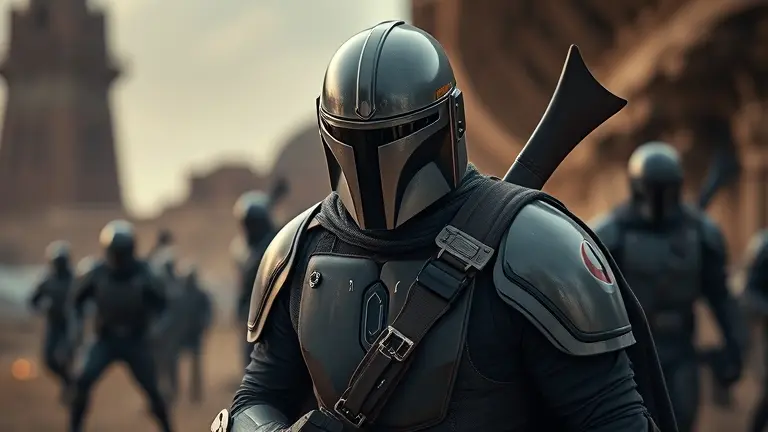
The galaxy far, far away has officially returned to the big screen, and with it, the undeniable chemistry of the Mandalorian and Grogu. As Star Wars: The Mandalorian & Grogu dominates the opening weekend, fans are flocking to theaters to witness this cinematic expansion of Jon Favreau’s beloved series. While box office projections exceeding $100 million prove the massive appetite for Mando’s return, the film has sparked a complex dialogue among the fandom—balancing the sheer spectacle of a theatrical release against the intimate, episodic storytelling that originally defined the show. Whether you are a casual viewer still catching up on the lore or a die-hard enthusiast dissecting every frame for hidden Easter eggs, it is clear that this movie acts as a pivotal litmus test for the future of the entire Star Wars theatrical slate.
Beyond the debates over narrative scale and pacing, the film serves as a visceral reminder of what makes this duo so iconic: the craftsmanship of their journey. From the weathered beskar of Din Djarin’s armor to the intricate tech integrated into his weaponry, the aesthetic of the Mandalorian universe is rooted in a tangible, tactile reality. For fans who find themselves obsessed with these details, the transition from watching a hero on screen to wanting to hold that power in their own hands is a natural evolution. As we dive into the lore and impact of this major event, we must look at how we can bridge that gap between passive admiration and the rewarding craft of becoming a builder yourself.
The Return of Star Wars: Inside the Theatrical Debut of ‘The Mandalorian & Grogu’
The theatrical release of Star Wars: The Mandalorian & Grogu on May 22, 2026, represents a monumental pivot for the franchise, marking its long-awaited return to the big screen after a multi-year hiatus. Serving as a direct cinematic expansion of the beloved Disney+ series, this film aims to bridge the gap between small-screen narrative intimacy and the sprawling, high-stakes spectacle expected of a blockbuster event. Directed by Jon Favreau, the project leverages the existing emotional resonance of the Mandalorian and his mysterious, force-sensitive companion, Grogu, to anchor a new era of storytelling.
Box Office Performance and Industry Impact
The initial financial performance suggests that the audience’s hunger for mando and grogu remains as potent as ever. Industry analysts have closely tracked the opening weekend metrics, with domestic projections surging between $100M and $102M. This robust start serves as a critical litmus test for Disney’s broader cinematic strategy, proving that established streaming characters can command significant theatrical revenue.
Key factors contributing to this strong debut include:
- Franchise Momentum: The film benefits from the deep lore established across three seasons of the series.
- Mainstream Appeal: The cultural icon status of Grogu continues to drive diverse demographic engagement.
- Strategic Timing: By positioning this mandalorian movie as a major holiday weekend event, Disney has effectively capitalized on the scarcity of Star Wars content in theaters.
Despite the positive fiscal outlook, the transition from television to film has sparked an active dialogue regarding the scale of the production. While some fans celebrate the continuation of their favorite story, critics have noted that the narrative feels tethered to the rhythmic, episodic structure of the series. This tension between the “television-scale” aesthetic and the requirements of a theatrical “event” remains a central point of debate as the franchise looks toward the future of the Star Wars timeline. Whether this film signals a permanent shift toward theatrical adaptations of streaming hits or serves as a unique bridge remains to be seen, but its financial success firmly reestablishes the viability of the brand in the multiplex.
Bridging the Gap: Where the Movie Fits in the Star Wars Timeline
For viewers stepping into the theater to watch Star Wars: The Mandalorian & Grogu without having kept pace with every Disney+ episode, the narrative placement is crucial. The film takes place firmly in the post-Return of the Jedi era, specifically following the events of the show’s third season. In the Star Wars timeline, this positions the story roughly five years after the fall of the Empire, filling the significant narrative void between the original trilogy and the eventual rise of the First Order. For mainstream audiences, it is helpful to view this mandalorian movie as a direct sequel that picks up exactly where the series left off: with Din Djarin, the titular Mandalorian, and his companion Grogu settling into a quiet life as bounty hunters operating out of Nevarro.
Understanding the Journey of Mando and Grogu
To appreciate the stakes of this theatrical event, it is essential to understand the current status of the duo. Following the reclamation of Mandalore and the defeat of Moff Gideon, the bond between the warrior and the foundling has evolved into a formalized apprenticeship. Key context for the film includes:
- The Foundling’s Path: After declining Luke Skywalker’s offer of Jedi training, Grogu has fully committed to the “Way of the Mandalore,” adopting his own specialized armor.
- Din Djarin’s Mission: Having solidified his standing within the Tribe, Mando and Grogu are no longer on the run from the Imperial Remnant, but are instead focused on mercenary work that keeps the galaxy’s fringes in check.
- The Broader Narrative: This film serves as the pivotal conclusion to the immediate story arcs established in the show, acting as a litmus test for whether the Star Wars franchise can successfully translate episodic character-driven television into high-stakes cinema.
By establishing these stakes, the film bridges the gap for casual fans, proving that while it maintains the intimate storytelling of the show, it is scaled up to function as a major entry in the cinematic canon. Whether you are a dedicated fan or a newcomer, the film relies on this established foundation to drive its central conflict forward.
Easter Eggs and Hidden Details: What You Might Have Missed
The transition of the Mandalorian and Grogu from the small screen to a major theatrical event has provided a playground for lore-hungry fans. While the Star Wars the Mandalorian and Grogu film focuses on the central journey of the duo, sharp-eyed viewers have already identified several deep-cut references that bridge the gap between the television series and the broader franchise timeline. These subtle nods reward those who have kept pace with the expanded narrative.
Significant Lore Connections and Cameos
- The Mythosaur Symbolism: During the opening act, subtle lighting reveals a weathered Mythosaur crest embedded in a forgotten Nevarro ruin, hinting at a deeper connection to ancient Mandalore history that remains unexplored in the Disney+ series.
- Hidden Bounty Hunter Cameos: Fans of the expanded universe will recognize a fleeting appearance of a background character in the cantina scene who bears a striking resemblance to the armor designs of legacy Knights of the Old Republic characters, sparking intense debate on Reddit regarding the canonization of pre-Empire eras.
- Audio Stings: Sound designers have incorporated subtle audio cues from the original 1977 trilogy, specifically during the hyper-space sequences, mirroring the unique mechanical whine of the Millennium Falcon—a nostalgic treat for long-time enthusiasts.
- The Grogu Growth Arc: Observant viewers have noted that Grogu’s interaction with the Force during the climactic battle mirrors the specific training techniques favored by the Jedi Order during the High Republic era, suggesting he is actively accessing “echoes” of past Jedi masters.
This Mandalorian movie effectively utilizes these Easter eggs to maintain a sense of continuity. By layering these details, the production team acknowledges the dense Star Wars canon while ensuring that mando and grogu remain the emotional anchor of the cinematic experience. Whether these elements serve as pure fan service or foundational building blocks for future theatrical installments remains a primary point of discussion for the community.
The Cinematic Scale Debate: Balancing Box Office Success with Fan Expectations
The theatrical release of Star Wars: The Mandalorian & Grogu has ignited a complex conversation regarding the evolution of the franchise’s visual language. From a financial perspective, the film serves as a definitive Star Wars box office rebound. With opening weekend projections hovering between $100M and $102M, the project proves that Mando and Grogu remain cultural juggernauts capable of drawing massive crowds. This performance signals a strong appetite for the brand, validating Disney’s decision to move the beloved mandalorian duo from Disney+ to the big screen. However, high revenue figures mask an underlying tension regarding the film’s artistic identity.
The “Television-Scale” Critique
While audiences have flocked to theaters, critics have noted a distinct disconnect between the production’s scope and the “blockbuster” expectations of a theatrical mandalorian movie. Many reviews, including discourse found on AVForums, suggest that the narrative pacing and visual presentation feel closer to an extended episode of the series than a grand cinematic event. This debate centers on whether the transition from streaming to cinema requires a fundamental shift in technical scale or if the intimacy of the series is its greatest asset.
Key points in the critical discourse include:
- Narrative Scope: Some viewers argue the plot lacks the “event” stakes typically associated with a feature-length Star Wars film.
- Visual Presentation: A segment of the audience felt the cinematography and set design retained the “Volume” aesthetic of the television series rather than utilizing expansive, location-based spectacle.
- Fan Expectations: Loyalists appreciate the continuity, while others feel the film failed to leverage the increased budget to deliver a truly transformative visual experience.
Ultimately, the film functions as a litmus test for the future of the Star Wars theatrical slate. While the commercial success of the mandalorian and grogu project is undeniable, the polarized feedback suggests that Disney must carefully balance the comfort of familiar television storytelling with the heightened production standards expected of a global cinematic release.
Bring the Galactic Craft to Your Own Workshop
As the curtain rises on this new chapter of Star Wars, it is clear that the legacy of the Mandalorian is defined by precision, tradition, and the weight of one’s gear. Just as Din Djarin relies on the integrity of his armor, many of you are likely inspired to bring these iconic, cinematic designs into your own homes. However, bridging the gap between a screen-time obsession and a tangible masterpiece requires more than just passion—it requires the right technical foundation.
Much like the Mandalorian’s own dedication to the Way, mastering the art of creating props and furniture demands precision tools and expert guidance. By utilizing a comprehensive repository of 16,000 professional-grade woodworking plans, you can transform your interest in the franchise into a productive, high-value hobby. This is the ultimate ‘Master Builder’s Tool Kit,’ designed to help you execute professional projects with technical certainty, eliminating the costly trial-and-error that often frustrates amateur makers.
Whether you are aiming to build a display-worthy prop inspired by the galaxy’s most famous bounty hunter or looking to sharpen your craftsmanship, having the right blueprint is the difference between a prototype and a masterpiece. Ready to craft your own piece of the galaxy? Access the ultimate library of precision woodworking plans and start your first project today.
 Ready to craft your own piece of the galaxy? Access the ultimate library of precision woodworking plans and start your first project today.Yes, I Want This Now!