
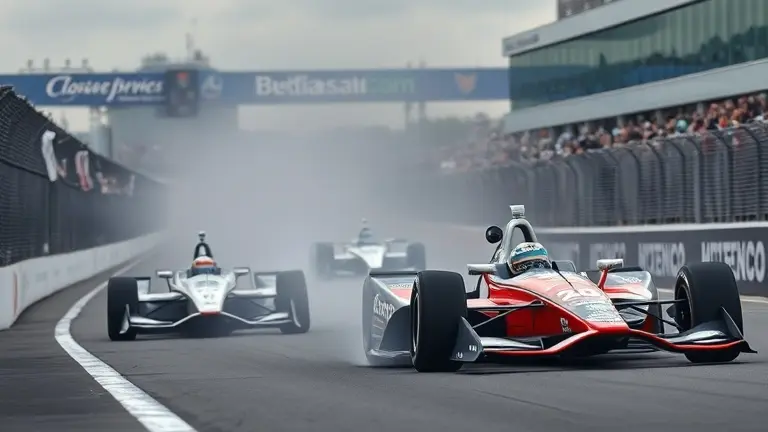
The 110th Indianapolis 500 will forever be etched in history as a masterclass in high-stakes precision. When Felix Rosenqvist narrowly edged out David Malukas in a breathtaking 0.0233-second final-lap shootout, the crowd at the Brickyard was electrified, witnessing the tightest finish ever recorded. Beyond the asphalt, the event became a cultural touchpoint, from the buzz surrounding the Morgan Wallen-themed livery on the No. 60 SiriusXM Honda to the immense interest in the personal support networks that drive these elite athletes. While search engines have been flooded with queries asking who won the Indianapolis 500 and diving into the private lives of stars and their partners, the real story lies in the profound synergy between professional focus and the emotional grounding found off the track.
As fans debate the mechanics of the final-lap pass and clarify the marketing partnerships behind the headlines, a deeper narrative emerges. Whether it is a driver’s wife cheering from the pit box or the unseen dedication required to compete at 200+ mph, success at this level is rarely a solo endeavor. To understand what fuels these champions, we must look at the psychological infrastructure—the unseen bonds and support systems—that allow them to remain calm under the world’s most intense pressure.
The Historic 110th Indy 500: A Photo Finish for the Ages
The 110th running of the Indianapolis 500 on May 24, 2026, will undoubtedly be etched into sports history as a masterclass in high-stakes competition. The race culminated in the closest indy 500 finish ever recorded, providing a breathtaking spectacle for the sold-out crowd at the Indianapolis Motor Speedway. As the final laps unfolded, the tension at the Brickyard reached a fever pitch, with Felix Rosenqvist and David Malukas engaged in a high-speed duel that tested the limits of aerodynamic efficiency and driver composure. When the checkered flag finally flew, Rosenqvist had narrowly edged out Malukas by a razor-thin margin of 0.0233 seconds, a testament to the hyper-competitive nature of modern IndyCar racing.
Anatomy of a Last-Lap Shootout
The intensity of the final circuit was underscored by the strategic positioning of the lead cars. Fans asking who won the indianapolis 500 were treated to a textbook display of defensive driving versus calculated aggression.
- The Margin: At 0.0233 seconds, the gap was smaller than the length of a car, forcing officials to rely on advanced telemetry to confirm the winner.
- Atmospheric Impact: The presence of Grand Marshal Caitlin Clark added a unique layer of prestige to the event, bridging the gap between mainstream pop culture and motorsport excellence.
- Mechanical Precision: The battle highlighted the fine balance between fuel management and raw speed, as both drivers navigated the final corner with immense precision.
While the race result solidified Rosenqvist’s place in the record books, the performance by Malukas earned him immense respect from the paddock. The emotional weight of the finish—frequently discussed on social platforms—reflected the heartbreak of losing by such an infinitesimal margin. Beyond the track action, the 2026 event was a cultural touchstone, blending elite racing with celebrity visibility, further cementing the Indy 500 as the crown jewel of American motorsport.
The Morgan Wallen Car: Decoding the No. 60 SiriusXM Honda Partnership
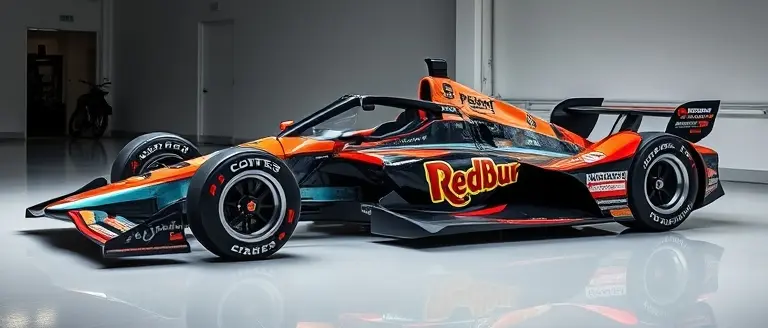
The 110th Indianapolis 500 delivered more than just a historic, nail-biting finish; it sparked a viral digital conversation centered on the No. 60 SiriusXM Honda driven by Felix Rosenqvist. As fans searched for details on the race, many were captivated by the country music-themed livery, leading to widespread speculation regarding a direct sponsorship deal with singer Morgan Wallen. However, industry analysis clarifies that this was a strategic promotional cross-collaboration rather than a traditional primary sponsorship. In the high-stakes environment of IndyCar racing, these partnerships are often sophisticated marketing maneuvers designed to bridge the gap between mainstream pop culture and motorsport, maximizing brand visibility during the most-watched event of the season.
Marketing Mechanics vs. Direct Sponsorship
To understand why the “Morgan Wallen car” generated such intense interest, it is essential to distinguish between commercial arrangements in racing:
- Primary Sponsorship: A company acts as the main financial backer, securing significant real estate on the car’s chassis to promote its own products or services.
- Promotional Cross-Collaboration: A primary sponsor (in this case, SiriusXM) utilizes its existing real estate to feature a talent or brand that aligns with its own marketing goals.
The goal of this specific livery was to leverage Wallen’s massive audience to drive subscription engagement for the broadcast partner. While fans searching for “who won the Indianapolis 500” were primarily focused on the record-breaking indy 500 finish, the aesthetic impact of the No. 60 car proved that integrating celebrity lifestyle elements into professional racing creates immense organic engagement. By utilizing a “marketing magic” approach, SiriusXM successfully generated viral buzz that extended far beyond the traditional motorsport audience, effectively utilizing Rosenqvist’s platform to achieve broader cultural penetration without requiring a direct contractual relationship between the driver and the musician.
Behind the Visor: The Support Networks of Indy 500 Drivers
The high-pressure environment of the Indianapolis 500 demands more than just mechanical precision; it requires an immense level of mental fortitude that is often bolstered by a driver’s private support system. As fans analyze the Indy 500 finish—a race decided by a mere 0.0233 seconds—there is growing interest in the individuals behind the scenes who provide the stability necessary for elite athletic performance. Whether it is a spouse offering perspective during the grueling month of May or families managing the logistics of a chaotic racing schedule, these partners are essential components of a driver’s professional success.
The Role of Support in Elite Racing
For drivers like David Malukas, who endured the heartbreak of a narrow defeat, and race winner Felix Rosenqvist, having a grounding influence is paramount. While search queries often focus on specific personal details—such as the Felix Rosenqvist wife search trend or questions regarding a David Malukas wife—it is important to view these relationships through the lens of professional endurance. Racing at this level requires extensive travel, intense simulator work, and high-stakes media obligations, including promotional efforts like the viral Morgan Wallen-themed livery that sparked significant conversation surrounding the No. 60 SiriusXM Honda.
- Mental Resilience: Partners often act as the primary buffer against the extreme stress of the Indianapolis Motor Speedway.
- Logistical Anchors: Spouses and family members frequently manage the complex personal schedules that allow drivers to remain laser-focused on track performance.
- Public Perception: In an era where fans are eager to connect with the human side of motorsports, these support networks provide a relatable element to the otherwise hyper-technical world of IndyCar.
Understanding the people who stand in the pit lane is just as vital as understanding the aerodynamics of the car. When fans ask who won the Indianapolis 500, they are witnessing the culmination of a team effort that extends far beyond the cockpit, proving that the most successful drivers are those with the strongest foundations at home.
The Future of Racing: Lifestyle, Branding, and High-Performance Athletics
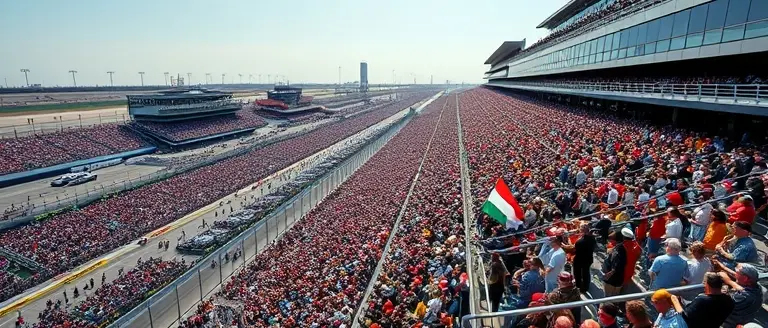
The 110th Indianapolis 500 serves as a definitive case study in how modern motorsports are evolving to capture a broader, celebrity-driven cultural audience. While the intense, 0.0233-second indy 500 finish between Felix Rosenqvist and David Malukas underscored the raw, high-stakes athleticism of IndyCar, the off-track narratives played an equally critical role in engagement. By blending traditional racing excellence with lifestyle marketing—such as the viral Morgan Wallen-themed livery on the No. 60 SiriusXM Honda—the series has successfully expanded its footprint. This crossover appeal demonstrates that today’s fans are just as interested in the cultural cachet surrounding the event as they are in the technical nuances of the track.
Bridging the Gap: Marketing vs. Reality
Modern sponsorship strategies are increasingly favoring high-visibility partnerships that blur the lines between mainstream entertainment and racing. However, this shift often leads to fan confusion, as seen when viewers searched for details on whether the country star was a direct financial backer. Clarifying these arrangements is essential for maintaining authenticity:
- Strategic Visibility: The Morgan Wallen livery was a marketing activation by SiriusXM, not a personal sponsorship from the artist.
- Fan Engagement: Understanding these partnerships helps viewers distinguish between corporate synergy and individual endorsement.
- Public Interest: The curiosity regarding figures like Felix Rosenqvist wife or David Malukas wife highlights the growing demand for “human-interest” storytelling in sports, where fans seek to connect with the personal support systems behind elite athletes.
The Impact of High-Profile Integration
The presence of celebrities like Grand Marshal Caitlin Clark signals a shift toward a multi-disciplinary entertainment model. By integrating high-profile figures, the series creates organic entry points for new fans who might not follow the sport year-round. This “lifestyle-first” approach, combined with the dramatic, high-tension racing witnessed in the who won the indianapolis 500 headlines, creates a robust ecosystem. Future growth for IndyCar will depend on this delicate balance: maintaining the integrity of the 1-lap shootout while embracing the celebrity-driven curiosity that defines modern digital search behavior.
Beyond the Finish Line: Mastering the Psychology of Success
The intensity of the 2026 Indy 500 was not just a testament to aerodynamic engineering or driving skill; it was a reflection of the human spirit under fire. Fans searching for details on the lives of drivers like Felix Rosenqvist or David Malukas are tapping into an essential truth: behind every legendary performance, there is a complex web of personal devotion and emotional stability. Understanding these dynamics is the key to unlocking the kind of endurance and loyalty that defines both professional greatness and lasting personal fulfillment.
You don’t need to be a racing legend to harness the power of deep, emotional connection. Just as drivers rely on their inner circles to perform at their peak, you can strengthen the bonds in your own life by understanding the psychological mechanics of devotion. His Secret Obsession offers a practical, science-backed framework to help you cultivate that same level of deep emotional resonance. It is more than just relationship advice; it is a tool for building a support system that can withstand the highest-pressure moments, ensuring your own relationships become as legendary and resilient as the stars of the Indy 500.
By mastering these psychological principles, you can transform your approach to love and commitment, fostering a bond that thrives regardless of the chaos in the outside world. It is time to step into your potential and create the kind of connection that truly lasts.
 Discover the secret signals that transform your own relationship and build a bond as legendary as the ones behind the finish line.Unlock My Relationship Potential Today!