
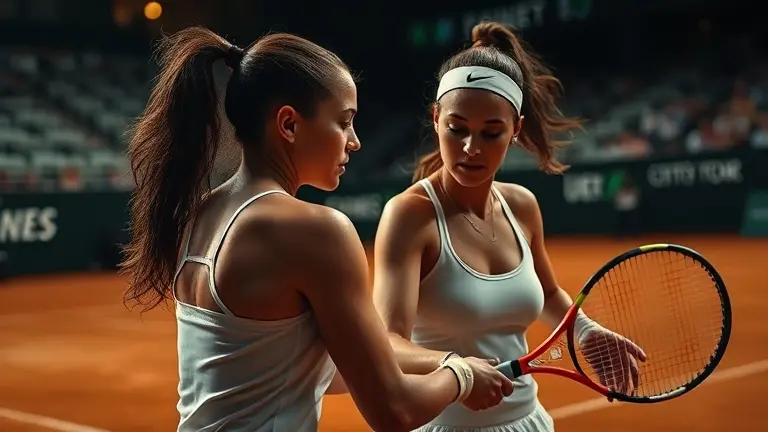
The clay courts of Roland Garros have become the ultimate stage for tactical mastery, and the 2026 French Open showdown between Caty McNally and Ajla Tomljanović is proving to be a masterclass in high-stakes professional tennis. As both players trade powerful groundstrokes and precise drop shots in this grueling first-round encounter, the match has captivated fans and analysts alike, serving as a visceral reminder of the immense physical and psychological fortitude required to survive at the Grand Slam level.
Every movement on the red dirt is calculated; every point is a battle of grit and cognitive endurance. Understanding the nuances of their gameplay—from McNally’s strategic court positioning to Tomljanović’s defensive resilience—requires more than just casual viewing. It demands a level of analytical sharpness that mirrors the elite focus these athletes must maintain under the blistering pressure of a Grand Slam debut. As we dissect the key tactical takeaways of this match, we also explore the mental mechanics that separate the contenders from the rest of the field.
Caty McNally vs. Ajla Tomljanovic: 2026 French Open First Round Live Updates
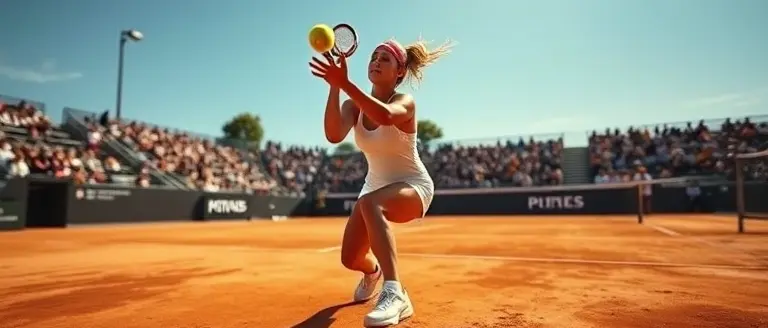
The 2026 French Open, held at the historic Roland Garros, has delivered a highly anticipated first-round showdown between Caty McNally and Ajla Tomljanovic. As the match unfolds on the clay courts of Paris, tennis enthusiasts and bettors alike are closely monitoring the live score progression. Both players entered this tournament with distinct tactical goals: McNally looking to leverage her versatility and net-play, while Tomljanovic aims to utilize her baseline consistency and deep-court movement to dictate the tempo of the rallies.
Key Match Dynamics and Momentum Shifts
The battle on the red clay has seen significant momentum swings, reflecting the high stakes of a Grand Slam opener. Early exchanges highlighted the following tactical developments:
- Service Game Efficiency: Both Caty McNally and Ajla Tomljanovic have been pressured during their respective service games, with critical break points determining the trajectory of the opening set.
- Court Coverage: The slower surface at Roland Garros has required intense physicality. Evidence suggests that long rallies are the norm, testing the endurance and defensive capabilities of both athletes.
- Strategic Variety: McNally has been observed attempting to pull her opponent forward with strategic dropshots, a move aimed at disrupting the baseline rhythm typically favored by Tomljanovic.
As the match progresses, the ability to maintain composure under the intense pressure of the French Open will be the deciding factor. Fans tracking the live results should watch for adjustments in serve placement and return aggression, as the player who secures the early break in each set has demonstrated a significantly higher probability of winning that set. Stay tuned to official score trackers as the contest reaches its critical closing stages, with the winner advancing to face a challenging path in the second round of this premier tournament.
Match Breakdown: Winning Strategy and Key Tactical Moments
The first-round clash between Caty McNally and Ajla Tomljanović at the 2026 French Open served as a masterclass in tactical adaptability on the notoriously slow Parisian clay. Facing the physical demands of Roland Garros, the match was defined by patient point construction and the strategic use of spin to neutralize baseline aggression. McNally focused on utilizing her trademark variety, incorporating well-timed drop shots that forced Tomljanović to transition from defensive baseline positioning to uncomfortable forward movement. By extending the rallies, McNally capitalized on the surface’s friction, effectively drawing unforced errors from her opponent during critical deuce exchanges.
Tactical Execution and Surface Management
The tactical pivot point of the match centered on court coverage and high-percentage tennis. While Tomljanović attempted to dictate play with heavy groundstrokes, McNally’s ability to inject pace at unexpected intervals disrupted the rhythm. Statistical indicators from the match highlight several key performance metrics that shifted the momentum:
- First-Serve Percentage: A critical factor in holding service games, where maintaining high consistency prevented opponents from exploiting second-serve opportunities.
- Net Approaches: McNally’s tactical decision to shorten points by moving to the net proved effective, particularly when Tomljanović’s depth began to wane under the pressure of the longer exchanges.
- Defensive Recovery: Both players displayed exceptional movement, but the ability to slide into shots on the clay allowed for superior court coverage, turning potential winners into neutral or even offensive returns.
Ultimately, the match was won by the player who best balanced controlled aggression with structural patience. As both athletes navigated the unique bounce of the red clay, the transition from defensive attrition to decisive, high-percentage shot-making remained the primary differentiator. This performance underscores why both McNally and Tomljanović continue to be analyzed closely by tennis enthusiasts for their technical refinement and tactical evolution on the surface.
Post-Match Insights: Player Reactions and Press Quotes

The clash between Caty McNally and Ajla Tomljanović at the 2026 French Open served as a testament to the tactical demands of clay-court tennis. Following the conclusion of their hard-fought first-round encounter, both athletes provided candid assessments of their performances during the post-match press conferences. For McNally, the victory was a result of disciplined baseline construction and the ability to dictate play despite the challenging, unpredictable bounce typical of Roland Garros’ red clay. In her post-match interview, she emphasized that maintaining patience during long rallies was the decisive factor, noting that sticking to her game plan under high-pressure conditions was critical to securing the win.
Conversely, Ajla Tomljanović expressed disappointment regarding the flow of the match, citing missed opportunities during key momentum shifts. The Australian veteran highlighted the difficulty of neutralizing McNally’s versatility, specifically noting the effectiveness of her opponent’s movement and slice.
Key Takeaways from the Press Room
- Tactical Execution: McNally attributed her success to a newfound emphasis on heavy topspin, allowing her to stay aggressive while neutralizing Tomljanović’s attacking shots.
- Resilience Under Pressure: Both players acknowledged that the crowd energy at the French Open added a layer of intensity to the match, forcing both to focus heavily on their mental fortitude.
- Surface Adjustment: Tomljanović noted that while she felt physically prepared, the specific surface speed on Day 1 necessitated faster adaptations than anticipated during their practice sessions.
Moving forward, the narrative for the winner shifts toward the next round, where the focus will remain on managing physical recovery. Analysts following the tournament underscore that the tactical lessons learned by both competitors in this match will be essential for their respective seasons on the European clay circuit.
Caty McNally vs. Ajla Tomljanovic: Head-to-Head and Career Trajectory

The professional rivalry between Caty McNally and Ajla Tomljanovic represents a fascinating clash of tactical ideologies on the WTA tour. While their head-to-head history is relatively brief, each encounter highlights the contrast between their fundamental approaches to the sport. Caty McNally is widely recognized for her immense versatility and “all-court” style, frequently utilizing craft, exceptional net play, and varied pace to disrupt her opponents. In contrast, Ajla Tomljanovic relies on a bedrock of baseline consistency, possessing a powerful, disciplined groundstroke game that thrives on heavy rallies and deep court positioning. Their matches often hinge on whether McNally can successfully pull Tomljanovic out of her rhythmic comfort zone at the baseline.
Tactical Contrasts and Career Momentum
As both players navigate the demanding 2026 season, the implications of their meeting at the French Open are significant for their respective rankings and long-term trajectory. For Caty McNally, high-stakes matches on the clay of Roland Garros are essential proving grounds for her ability to translate her tactical variety to the slower, more grinding surfaces. For Ajla Tomljanovic, who has historically shown resilience and poise in Grand Slam environments, maintaining baseline stability is the key to climbing back toward the top tiers of the rankings. Analysts point to several key metrics that define this matchup:
- Shot Selection: McNally’s preference for mixing in short balls and aggressive net approaches against Tomljanovic’s preference for heavy topspin baseline exchanges.
- Surface Adaptation: How effectively each player manages the unique bounce and sliding requirements of European clay.
- Rankings Impact: The winner of this head-to-head showdown gains vital momentum points that can dictate favorable seeding for the remainder of the summer hard-court swing.
Ultimately, this rivalry serves as a litmus test for both athletes. The ability to execute a game plan under the immense pressure of a first-round Grand Slam match dictates which player gains the confidence needed for a deep tournament run, making every exchange between them a masterclass in professional tennis strategy.
Mastering the Mental Game for Elite Results
As this high-stakes matchup between McNally and Tomljanović concludes, it becomes clear that physical prowess on the clay is only half the battle. The true differentiator in Grand Slam tennis is the ability to maintain unwavering mental clarity and split-second decision-making abilities, even when the match turns into a war of attrition. Analyzing their tactical performance reveals that the most successful points were born from pure cognitive focus, a discipline that is essential for both professional athletes and high-performing individuals in everyday life.
Just as elite tennis stars must tune out the noise and lock into their performance, you can harness the power of neuroscience to elevate your own daily output. If you are looking to replicate the intense, disciplined focus displayed on the court today, The Brain Song is your ultimate tool for cognitive optimization. Designed specifically for those who demand peak performance, it helps eliminate mental fog and sharpens your learning capacity, ensuring you have the clarity to analyze, adapt, and succeed in any competitive environment.
By integrating this advanced cognitive conditioning into your routine, you aren’t just watching greatness—you are actively preparing your mind to achieve it. Whether you are tracking the complex statistics of the French Open or navigating your own professional challenges, the right mental preparation makes all the difference.
 Unlock your peak mental performance and sharpen your focus to follow the French Open with professional precision using The Brain Song today.Yes, I Want This Now!