
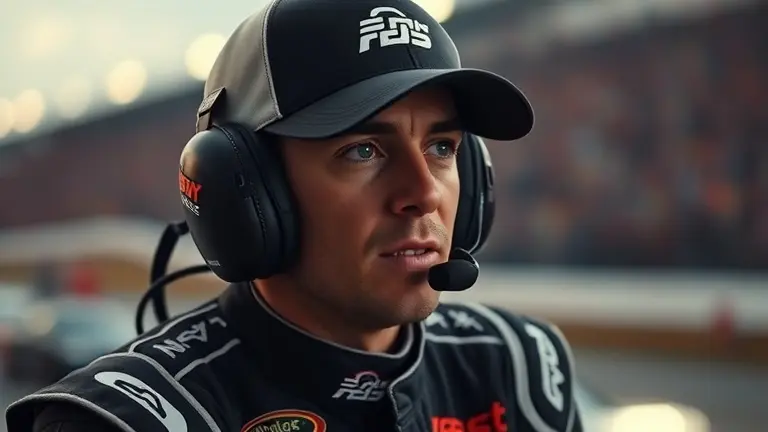
The atmosphere at Charlotte Motor Speedway ahead of the 2026 Coca-Cola 600 is unlike anything NASCAR has witnessed in decades. Following the tragic and unexpected passing of racing icon Kyle Busch, the sport is in a state of collective mourning. Amidst this backdrop of heavy hearts, the spotlight has turned toward a sudden and monumental shift in the lineup: the arrival of Austin Hill. Thrust into the cockpit as an emergency substitute, Hill—a driver traditionally associated with lower-series grit—now faces the daunting challenge of steering a top-tier machine against a field of seasoned gladiators including Denny Hamlin, Kyle Larson, Bubba Wallace, and Joey Logano.
This isn’t just a matter of horsepower or track position; it is a complex intersection of sudden opportunity, overwhelming external pressure, and the raw psychological toll of inheriting a legend’s seat. While the betting markets scramble to adjust to the new variables, the true story lies in the cockpit. Can Hill, a driver accustomed to a different rhythm of racing, bridge the cognitive gap required to battle the titans of the Cup Series? As the green flag approaches, we go deep into the mental and tactical transition of the man who suddenly holds the most scrutinized wheel in sports.
A Weekend of Mourning: Austin Hill’s Sudden Promotion at the 2026 Coca-Cola 600
The 2026 Coca-Cola 600 arrives under an unprecedented cloud of grief as the NASCAR community grapples with the sudden and tragic passing of Kyle Busch. Charlotte Motor Speedway, typically a site of high-octane celebration, has transformed into a place of reflection and mourning. In the immediate wake of this loss, the sport faced the gargantuan task of finalizing a lineup for its longest, most grueling race. The decision to place Austin Hill in the cockpit as an emergency substitute is a testament to the urgency of the moment and the trust placed in a driver ascending through the ranks.
The Weight of the Steering Wheel
Stepping into the ride of a legend under these circumstances creates a unique psychological burden. Austin Hill, who has consistently proven his mettle in lower series, now faces the intense scrutiny of a global audience. The transition from rising prospect to the primary driver in a high-profile, emotional event changes the race dynamics entirely. While veterans like Denny Hamlin, Kyle Larson, and Joey Logano approach the 600-mile endurance test with established strategies, Hill must simultaneously manage the technical demands of the Next Gen car and the heavy atmosphere surrounding the garage.
- The Emotional Shift: The entire paddock is adjusting to the reality of a field without Busch, forcing a tactical reset for competing teams.
- The Substitute Challenge: Unlike a planned promotion, Hill has had limited time to calibrate his driving style to the specific team dynamics left behind by the legendary champion.
- External Expectations: Analysts are closely monitoring whether Hill can maintain composure while facing the high-pressure tactics of seasoned rivals like Bubba Wallace or the aggressive maneuvers often seen from Connor Zilisch in developmental settings.
This weekend is defined by its somber context, yet the race remains a professional battlefield. For Austin Hill, the goal is clear: to honor the opportunity provided by the organization while competing against the sport’s elite, ensuring that the integrity of the 2026 Coca-Cola 600 remains intact during this period of collective mourning.
The Leap from Xfinity to Cup: Analyzing the Skill Gap

The transition for Austin Hill from a perennial frontrunner in the Xfinity Series to the cockpit of a top-tier Cup Series machine represents one of the most abrupt career pivots in recent NASCAR history. While Hill has mastered the aggressive, momentum-heavy driving style required in the secondary series, the Cup Series demands a more refined level of tire management and precision car control. Unlike the Xfinity cars, which are more forgiving of aggressive lateral movement, the Next Gen Cup car—the same vehicle driven by veterans like Denny Hamlin and Kyle Larson—features a significantly smaller margin for error, particularly under the high-stress conditions of the Coca-Cola 600.
Technical Challenges and Driver Comparisons
The technical disparity between the two series is primarily defined by the feedback loops and the depth of the field. When competing against established legends such as Joey Logano or rising stars like Connor Zilisch, Hill must adapt to a vehicle that punishes over-driving. Key areas of focus for his transition include:
- Vehicle Feedback Loops: Cup cars generate more downforce but require nuanced throttle modulation to avoid tire fall-off during long green-flag runs.
- Strategic Adaptability: While Hill is accustomed to leading laps in Xfinity, he must now navigate the tactical complexity of stage racing against drivers who prioritize long-term positioning over immediate gain.
- The “Bubba Wallace” Variable: Like Bubba Wallace, Hill must master the ability to provide precise telemetry data to his crew chief, a skill that separates mid-pack drivers from championship contenders in the Cup garage.
Ultimately, the pressure of replacing a titan like Kyle Busch adds an unprecedented psychological layer to this technical leap. Hill’s success will depend on his ability to synthesize his raw, high-intensity speed with the methodical approach utilized by the elite veterans. If he can mirror the veteran-level tire conservation of Kyle Larson while navigating the turbulent air of the Charlotte Motor Speedway, he may bridge the experience gap faster than pundits anticipate.
Organizational Resilience: Behind the Scenes of a Mid-Race-Week Transition
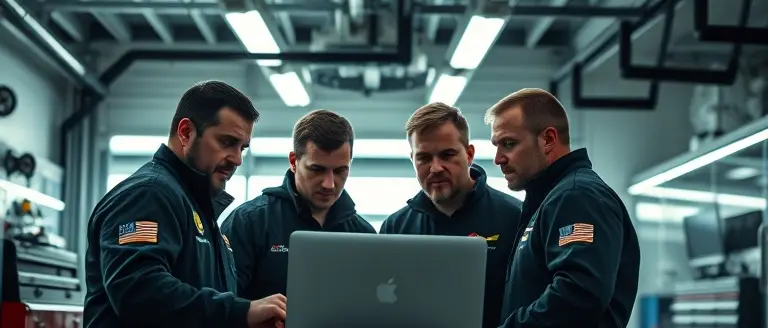
The sudden requirement for Austin Hill to step into the seat vacated by the late, legendary Kyle Busch has triggered an unprecedented logistical sprint within the racing organization. Preparing a top-tier machine for the Coca-Cola 600 is a Herculean task under normal circumstances; doing so while processing the collective grief of losing an icon adds a layer of profound psychological complexity. Crew chiefs and engineers are currently operating in a high-pressure environment, forced to recalibrate complex vehicle setups—such as steering geometry, pedal placement, and seat inserts—in a matter of days to accommodate Hill’s physical stature and driving preferences compared to the seasoned veteran he is replacing.
Synchronizing Team Dynamics Under Pressure
The transition demands more than just mechanical adjustments; it requires a complete overhaul of communication protocols and driver feedback loops. As Hill prepares to face the high-speed intensity of the Charlotte Motor Speedway, he must rapidly build chemistry with a veteran crew that has spent years refining its methodology with Kyle Busch. Key areas of focus during this compressed transition include:
- Ergonomic Alignment: Rapid customization of the cockpit to ensure Hill’s reach and sightlines match the safety standards established for the original setup.
- Data Integration: Merging Hill’s driving telemetry with the existing vehicle data to bridge the performance gap between him and established front-runners like Denny Hamlin, Kyle Larson, and Joey Logano.
- Psychological Support: Managing the team’s morale as they mourn a loss while simultaneously preparing for a competitive race against rivals like Bubba Wallace and the rising star Connor Zilisch.
Evidence suggests that the organizational focus has shifted toward simplicity and reliability. By stripping away overly complex experimental setups, the team aims to provide Hill with a stable, predictable platform. This measured approach is intended to minimize the cognitive load on the driver, allowing him to focus on navigating the 600-mile endurance test while the team provides the tactical foundation necessary to compete against the sport’s elite.
The Human Element: Facing the Weight of a Legend’s Legacy
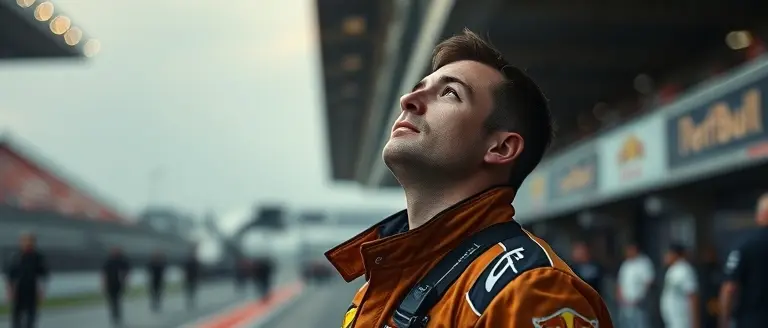
Stepping into the cockpit vacated by a racing icon is a challenge few drivers ever face, and for Austin Hill, the transition to the Coca-Cola 600 is fraught with immense psychological pressure. Replacing the legendary Kyle Busch under these tragic circumstances changes the narrative from a simple career promotion to a profound test of composure. Hill is not merely stepping into a car; he is carrying the expectations of a grieving organization and a fan base still processing the loss of a generational talent. The mental fortitude required to navigate this weekend, while remaining competitive against seasoned veterans like Denny Hamlin, Kyle Larson, and Joey Logano, remains the biggest variable for his performance at Charlotte Motor Speedway.
Managing Expectations Amidst Tragedy
The transition presents a unique set of challenges that go beyond pure technical skill. Hill must reconcile his aggressive racing identity with the somber reality of honoring a legend. Experts note that when a driver is thrust into a marquee event like the Coca-Cola 600, the “substitute” tag can either weigh them down or act as a catalyst for a career-defining performance.
Key factors influencing this psychological shift include:
- Organizational Synergy: Hill must instantly earn the trust of the pit crew and engineers who spent years refining setups for Busch.
- The “Legendary” Shadow: Racing the same machine once piloted by a champion creates a high-stakes environment where every lap is scrutinized by the media and peers like Bubba Wallace or newcomer Connor Zilisch.
- Emotional Resilience: Balancing personal ambition with the somber atmosphere of a team in mourning requires a rare level of focus that usually takes years of elite-level experience to develop.
Ultimately, Hill’s ability to compartmentalize the emotional weight of the weekend will define his success. While the statistics suggest a steep learning curve, the human element—his capacity to adapt to this high-pressure transition—will determine whether he survives the 600 miles or fades into the background of a field dominated by heavy hitters.
Mastering the Mental Edge Under Pressure
The Coca-Cola 600 at Charlotte Motor Speedway has always been a test of endurance, but this year it transcends racing, serving as a poignant tribute to the late, legendary Kyle Busch. For Austin Hill, the transition from rising star to an emergency replacement is more than a mechanical challenge; it is a profound psychological test. As he takes the wheel, he must contend not only with the veteran prowess of competitors like Denny Hamlin, Kyle Larson, Bubba Wallace, and Joey Logano, but also with the immense, heavy shadow left by a titan of the sport. His ability to compartmentalize this pressure will determine whether this becomes a moment of career-defining resilience or an insurmountable burden.
Much like a professional driver needs to maintain laser-sharp focus and quick reaction times in the heat of a race, maintaining cognitive clarity is the ultimate competitive advantage in high-pressure situations. Whether you are navigating a high-stakes corporate environment or personal obstacles, the ability to maintain composure under extreme stress is what separates the elite from the rest. The same mental optimization that allows an underdog to thrive on the track is accessible to those who prioritize their cognitive well-being.
We believe that true performance begins in the mind. By integrating scientific principles that sharpen mental clarity and focus, you can elevate your own capacity to handle life’s most demanding moments. Much like Hill is preparing his mental state for the intensity of the Coke 600, you too can unlock your peak potential.

Optimize your own performance under pressure by integrating the same scientific principles used by high-achievers to sharpen their focus—discover the routine here.
Transform My Mental Performance Today!