

The 2-0 victory of the Columbus Crew over Atlanta United on May 24, 2026, serves as a fascinating case study in professional sports momentum. While box scores highlight Sekou Bangoura’s breakout performance and Diego Rossi’s clinical finish, the deeper story lies in the context of the mid-season World Cup break. For Columbus, this match was a vital tactical reset, successfully snapping a four-game winless streak and demonstrating a level of mental fortitude that is often overlooked in traditional post-match coverage.
As the MLS pauses for the world’s biggest tournament, the implications of this result extend far beyond a single win. Teams that successfully navigate the mental and strategic challenges of this hiatus often emerge with a significant competitive advantage. Understanding why the Crew’s lineup adjustments clicked—and how Atlanta struggled to match that intensity—requires looking beyond simple statistics to the rigorous tactical preparation required to maintain consistency in a grueling league environment.
Match Recap: Columbus Crew Snap Winless Streak Against Atlanta United
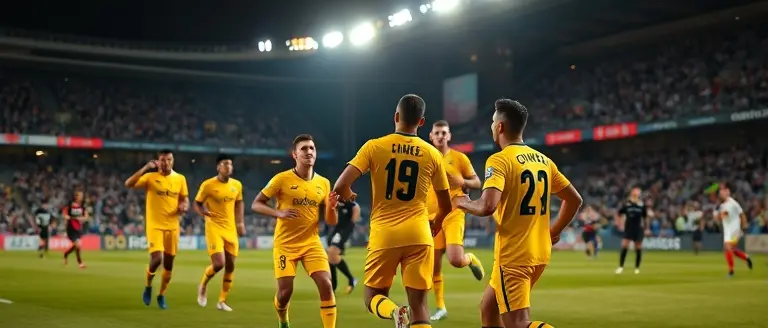
In a pivotal encounter on May 24, 2026, the Columbus Crew secured a much-needed 2-0 victory over Atlanta United, effectively halting a frustrating four-game winless streak. As the final match for both clubs before the league-wide hiatus for the 2026 FIFA World Cup, the result carried significant weight for momentum heading into the mid-season break. The Columbus squad displayed renewed tactical discipline, successfully neutralizing an Atlanta side that has struggled with consistency throughout the campaign.
Key Performance Highlights and Tactical Impact
The match was defined by clinical finishing and a refreshed attacking posture from the home side. The standout narrative of the evening was the breakout performance of Sekou Bangoura, who netted his first-ever MLS goal. His contribution, combined with a composed finish from veteran Diego Rossi, provided the offensive spark necessary to dismantle the Atlanta defense.
The significance of the Atlanta United vs Columbus Crew matchup was underscored by the following factors:
- Breaking the Slump: Columbus ended a four-game winless drought, providing the squad with vital psychological relief before the extended World Cup layoff.
- Strategic Roster Depth: The inclusion and subsequent success of emerging talents like Bangoura highlight the Crew’s increasing reliance on secondary scoring options as they navigate the complexities of a congested schedule.
- Momentum Management: By securing three points in their final pre-break fixture, the Crew effectively protected their position in the standings, ensuring they return to action with a clean slate rather than mounting frustration.
While Atlanta United fought to maintain possession throughout the second half, the Crew’s defensive organization proved too rigid to break. The result serves as a sobering takeaway for Atlanta, who must now utilize the World Cup break to recalibrate their tactical approach if they hope to climb the conference table upon the league’s resumption.
Tactical Breakdown: The Impact of Sekou Bangoura and Diego Rossi

The Columbus Crew displayed a masterclass in tactical discipline during their 2-0 victory over Atlanta United, effectively snapping a frustrating four-game winless streak. The coaching staff’s decision to integrate Sekou Bangoura into the starting lineup proved to be a pivotal adjustment. Bangoura’s positioning acted as a constant thorn in the side of the Atlanta backline; by hovering between the defensive and midfield lines, he forced the opposition center-backs to make uncomfortable decisions regarding spacing and pressure. This spatial manipulation created the gaps necessary for the Crew to bypass the Atlanta midfield with swift, vertical transition play.
Analyzing the Attacking Transition
The synergy between Bangoura and Diego Rossi was the primary catalyst for the Crew’s offensive success. While Bangoura provided the necessary grit and physical presence to disrupt Atlanta’s defensive rhythm, Rossi utilized his trademark agility to exploit the resulting channels.
- The Breakthrough Moment: Bangoura’s maiden MLS goal was a direct result of his intelligent movement, timing his run to perfection to capitalize on a disorganized defensive transition from Atlanta.
- Midfield Superiority: By utilizing quick, direct passes, the Columbus squad bypassed the central congested areas where Atlanta United has historically found its defensive stability.
- Rossi’s Influence: Diego Rossi’s contribution was not limited to his goal; his ability to stretch the pitch horizontally pulled defenders out of position, which facilitated easier ball progression for the remainder of the roster.
Heading into the 2026 FIFA World Cup break, this tactical shift offers a blueprint for how the team can maintain momentum. By prioritizing high-intensity transitions and utilizing players like Bangoura to occupy deep-lying defenders, the Crew effectively neutralized the Atlanta United offense, preventing them from establishing a rhythm. This performance serves as a crucial case study in how targeted lineup adjustments can recalibrate a team’s tactical identity during a mid-season slump.
MLS Standings and Momentum Heading into the World Cup Break

The final Atlanta United vs Columbus Crew clash before the 2026 FIFA World Cup break serves as a critical snapshot of the current MLS standings and the shifting competitive landscape. For the Columbus Crew, the 2-0 victory was more than just a routine win; it effectively halted a concerning four-game winless streak that threatened to derail their playoff aspirations. By securing these three points, the Crew have solidified their position in the upper echelon of the Eastern Conference, proving that their tactical adjustments—most notably the integration of Sekou Bangoura—can yield results against high-caliber opposition.
Strategic Implications of the Mid-Season Hiatus
League-wide breaks often act as a double-edged sword for clubs. While the hiatus provides much-needed recovery time for tired legs, it can also disrupt the tactical rhythm of teams currently peaking. For Columbus, the challenge lies in maintaining this newfound momentum through the long layoff. Their recent performance against Atlanta United suggests a tactical shift toward higher efficiency in the final third, anchored by the clinical finishing of Diego Rossi.
- Positive Momentum: Columbus enters the break with a morale-boosting win, allowing them to recalibrate without the pressure of an immediate must-win game.
- Roster Depth: Atlanta United must use this period to address inconsistency in their defensive transitions, which were exploited repeatedly during the Columbus encounter.
- Playoff Trajectory: The Crew’s ability to stabilize their form suggests they are well-positioned to maintain a top-four seed in the Eastern Conference once league play resumes.
Evidence suggests that teams utilizing the World Cup break for specialized conditioning and tactical workshops often emerge as stronger contenders for the Supporters’ Shield. While the Atlanta United – Columbus Crew result leaves Atlanta with significant questions regarding their late-game execution, the Columbus Crew have effectively demonstrated that they possess the depth and tactical flexibility required to survive a congested MLS schedule. As the league pauses, the narrative has shifted from concern regarding a winless streak to cautious optimism for a deep postseason run.
Key Statistical Takeaways: Possession and Performance Metrics

The Atlanta United vs Columbus match serves as a masterclass in clinical efficiency versus tactical stagnation. While possession metrics were relatively balanced, the disparity in shot conversion rates told the true story of the 2-0 scoreline. Columbus entered the fixture desperate to snap a four-game winless streak, and their tactical shift toward higher-pressing intensity yielded immediate results. By forcing turnovers in the final third, the Columbus Crew effectively neutralized Atlanta’s build-up play, limiting their dangerous incursions into the box.
Tactical Efficiency and Defensive Breakdown
The analytical data highlights a significant defensive collapse for the Five Stripes. Atlanta struggled to manage defensive transitions, often leaving gaps that allowed players like Sekou Bangoura to exploit space behind the line. Key performance indicators from the match include:
- Conversion Rate: Columbus maintained a significantly higher shot-on-target conversion rate, capitalizing on limited chances to secure their two-goal lead.
- Defensive Solidity: The Crew’s backline demonstrated superior aerial duel success, preventing Atlanta from finding rhythm during set-piece opportunities.
- Midfield Control: Despite Atlanta attempting to dictate the tempo through possession, they failed to generate high-quality scoring chances, registering an expected goals (xG) metric well below their season average.
For the Atlanta United – Columbus Crew rivalry, this result marks a pivotal divergence in form heading into the 2026 FIFA World Cup break. While Atlanta’s inconsistency remains a primary concern for their coaching staff, the Crew’s clinical resurgence—sparked by Bangoura’s first MLS goal and Diego Rossi’s composure—suggests a team finding its identity at the right moment. The statistics underscore that possession is secondary to the “final third” urgency that Columbus successfully executed, leaving Atlanta to address glaring vulnerabilities in their defensive coverage during the extended hiatus.
The Mental Edge Behind Tactical Success
The Columbus Crew’s 2-0 victory over Atlanta United was more than just a scoreline—it was a masterclass in tactical discipline and mental recalibration before the league’s pivotal World Cup break. By breaking their four-game winless streak, the Crew proved that success isn’t just about raw talent; it’s about the ability to analyze, adapt, and execute under pressure. Whether you are a dedicated fan dissecting the match or an aspiring analyst looking to stay ahead of the curve, the difference between surface-level observation and deep, strategic insight lies in your ability to process complex data with absolute clarity.
Just as the Columbus Crew needed a refined tactical focus to snap their streak, you need heightened mental clarity to accurately interpret the nuanced shifts in league momentum during this mid-season hiatus. This is where The Brain Song becomes your ultimate competitive advantage. By optimizing your cognitive function and sharpening your focus, this tool mirrors the elite preparation of professional athletes, allowing you to retain match details, predict tactical trends, and analyze the standings with unparalleled efficiency. It is the natural bridge between watching the game and truly understanding the mechanics of success.
Don’t let the complexity of the mid-season break cloud your analytical prowess. Take control of your cognitive performance and unlock the same level of sharpness that professional organizations demand on the pitch. Now is the time to refine your strategy and prepare for the second half of the season with renewed mental intensity.
 Elevate your own game and sharpen your analytical edge for the remainder of the MLS season with the 12-minute Brain Song routine.Transform My Analytical Edge Now!