
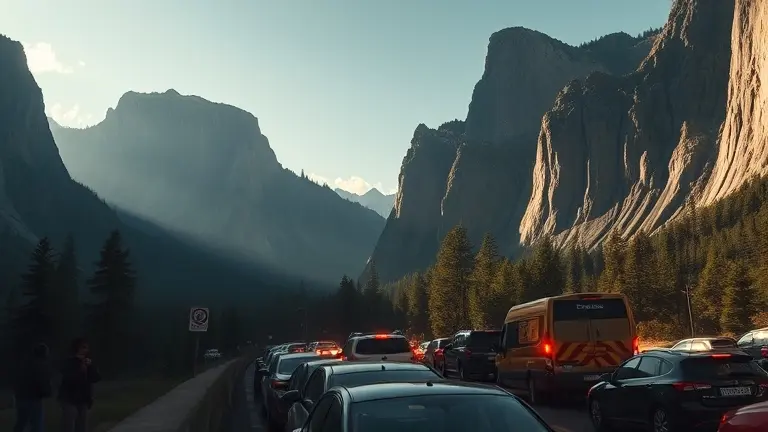
The dream of a serene, awe-inspiring trip to Yosemite National Park has hit a jarring reality this 2026 season. With the removal of the timed-entry reservation system, the gates have opened to a surge of visitors that the park’s infrastructure is struggling to contain. As of late May, travelers are reporting ninety-minute queues at entry stations and a gridlocked Yosemite Valley that threatens to turn a bucket-list excursion into an exhausting test of patience. With over 836,000 visitors already recorded this year—a sharp rise that shows no sign of slowing—the days of spontaneous exploration have been replaced by a chaotic, high-stakes environment.
For the average traveler, the current conditions feel less like a national park adventure and more like a logistical disaster waiting to happen. However, the situation is far from hopeless for those who trade guesswork for strategy. By understanding the flow of the park and adopting an ‘insider’ mindset, you can still experience the grandeur of Yosemite while others remain stuck in the valley traffic. This guide serves as your tactical manual to navigating the 2026 landscape, ensuring your time is spent on the trails rather than idling in a parking lot.
The 2026 Reservation Shift: Understanding the New Yosemite Reality
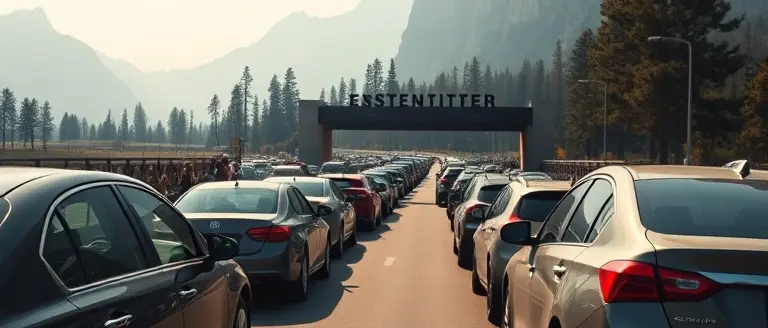
The landscape of travel to Yosemite National Park has undergone a seismic shift for the 2026 season. After several years of utilizing a structured timed-entry reservation system to manage visitor flow, park officials opted to lift these requirements for the current year. While intended to provide more flexible access, the policy change has resulted in immediate logistical pressure. Data from the first quarter of 2026 reveals a significant surge in attendance, with the park recording over 836,000 visitors—an increase of approximately 100,000 compared to the same period in 2025. This influx has transformed the typical guest experience, leading to reports of widespread overcrowding and strained infrastructure.
The Impact of Unrestricted Access
The reality on the ground has been challenging for both park staff and visitors. As of late May 2026, entrance stations have experienced severe bottlenecks, with wait times reaching up to 90 minutes during peak arrival hours. Once inside the park boundaries, travelers are frequently met with valley-wide parking gridlock, where lots often reach capacity before mid-morning. Key takeaways for those planning a visit include:
- Elevated Wait Times: Entrance delays can exceed 90 minutes; planning for these queues is now a mandatory part of any itinerary.
- Parking Scarcity: Popular trailheads and valley parking areas often fill up before 9:00 AM, necessitating early-bird strategies.
- Increased Density: With a 100,000-visitor year-over-year increase, expect significantly heavier foot traffic at iconic landmarks.
For families and travelers, managing expectations is now the most critical aspect of trip preparation. While the freedom of a reservation-free visit is appealing, the current logistical reality requires a proactive approach. Understanding that the park is operating at higher capacity than in recent years is the first step in navigating the 2026 high season safely and effectively.
The Optimal Arrival Window: A Data-Backed Strategy
The removal of the timed-entry reservation system at Yosemite National Park for the 2026 season has fundamentally altered the visitor experience. With over 836,000 visitors recorded in the first part of the year—a staggering 100,000-person increase compared to 2025—the surge has led to significant logistical bottlenecks. Recent reports from the first weekends of May 2026 confirm that entrance station delays are reaching up to 90 minutes. To avoid the gridlock, travelers must adopt a shift in their arrival strategy, moving away from conventional vacation timing toward a “dawn-patrol” approach.
Understanding the 7:00 AM Parking Exhaustion Threshold
Data-backed observations from the current season reveal a critical tipping point: once the clock strikes 8:00 AM, the probability of securing parking in the Yosemite Valley drops significantly. By 9:00 AM, the primary lots are typically at or near capacity, leading to the reported mid-morning gridlock. To maintain a stress-free visit, consider the following arrival windows:
- The Early Bird Window (Before 6:30 AM): Entering the gates at this hour is the only near-certain way to guarantee a spot in popular trailhead lots like Lower Yosemite Fall or Curry Village.
- The Mid-Morning Warning (7:00 AM – 9:00 AM): Entering during this window places you in direct competition with the highest volume of traffic. Expect at least a 60-minute wait at entry stations and a high likelihood of having to park in overflow areas.
- The Sunset Strategy (After 3:00 PM): For families who prefer a relaxed pace, arriving in the late afternoon allows you to bypass the massive morning surge. While you may miss the busiest morning hours, you gain access to the park as day-trippers begin their departure, often resulting in easier parking and better lighting for photography.
Ultimately, navigating Yosemite National Park without reservations requires discipline. By planning your arrival to circumvent the 7:00 AM congestion, you maximize your time in the wilderness rather than idling in your vehicle.
The Yosemite Escape Hatch: Navigating Away from Gridlock
With the 2026 removal of the timed-entry reservation system, Yosemite National Park has experienced unprecedented congestion in the Yosemite Valley. To preserve your sanity and maximize your experience, you must pivot toward less-traveled areas of the park. If you arrive after 8:00 AM, the central hubs are likely already at capacity, leading to the reported 90-minute entrance delays. Instead of funneling into the primary valley floor, consider these “escape hatches” that offer spectacular scenery without the gridlock.
Strategic Alternatives for Crowd Avoidance
- Wawona and the Mariposa Grove: While popular, these southern areas are geographically distinct from the Valley, allowing you to bypass the worst of the central bottleneck. The Mariposa Grove of Giant Sequoias offers extensive trails that can absorb high visitor numbers without feeling overcrowded.
- Hite Cove and Highway 140 Entrances: By accessing the park via the Arch Rock entrance and prioritizing trailheads along the Merced River, you can enjoy stunning riparian views that see a fraction of the foot traffic found near Yosemite Falls.
- Tioga Road and High-Elevation Access: If the high country is open, prioritize areas like Tuolumne Meadows. The dramatic elevation change naturally discourages the casual tourist who remains concentrated at lower altitudes, offering a significantly quieter wilderness experience.
- Crane Flat and Big Oak Flat: These areas serve as excellent jumping-off points for less-trafficked hikes. The transition zones between the foothills and the high country often provide unique photography vantage points that remain virtually empty even during peak saturation days.
By shifting your itinerary to these sectors, you effectively navigate around the Yosemite National Park gridlock that has defined the 2026 season. Always check real-time road conditions and trail status before departure, as these secondary routes may be subject to seasonal closures or capacity limits independent of the main reservation policy. Prioritizing these “escape hatches” ensures that you encounter the majesty of the Sierra Nevada rather than the frustration of a parking lot queue.
Expectation Management: A Survival Guide for Families
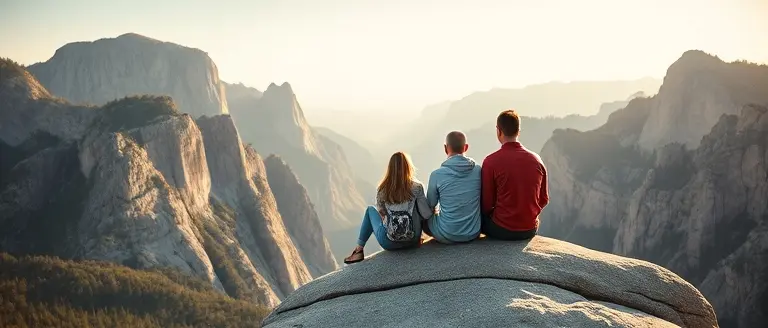
Visiting Yosemite National Park in 2026 requires a significant shift in mindset now that the timed-entry reservation system has been lifted. With park attendance surging—early season reports indicate over 836,000 visitors, a sharp increase of 100,000 over the previous year—families must trade spontaneity for strategic planning. To avoid the reported 90-minute entrance queues and valley gridlock, the “golden rule” is simple: arrive before 7:00 AM. By securing a parking spot early in the morning, you effectively “stake your claim” in the valley, allowing you to bypass the worst of the mid-morning congestion. Once parked, do not plan to move your vehicle until your departure; instead, rely entirely on the park shuttle system to navigate between major trailheads and facilities.
Essential Survival Strategies for 2026
Success in an unmanaged-entry environment relies on self-sufficiency and emotional preparation for high-density crowds. Consider these actionable tips to ensure your family remains comfortable during a 12-hour park day:
- The 12-Hour Logistics Kit: Pack enough water, electrolyte drinks, and high-energy snacks for every family member. Once parking lots fill—often by mid-morning—leaving the valley for supplies creates the risk of losing your spot, essentially ending your exploration for the day.
- Digital Vigilance: Bookmark the official National Park Service (NPS) alerts page. Check real-time traffic and parking status updates frequently throughout the day to adjust your itinerary if specific areas become overcrowded.
- Mental Preparation: Discuss the reality of crowds with children in advance. Framing the experience as an “adventure in a bustling natural cathedral” can help manage frustrations during peak-hour shuttle waits or limited-space scenarios.
- Maximize Off-Peak Hours: If you are staying inside the park, use the mid-day “peak” to visit lower-traffic areas or engage in stationary activities like picnicking away from the major shuttle stops. Save popular viewpoints for the late afternoon when the initial surge of day-trippers begins to exit the gates.
By adopting this proactive approach, you mitigate the risks associated with the current Yosemite National Park operational status and ensure that your family trip remains a rewarding experience rather than a logistics headache.
Build Your Own Bulletproof Yosemite Strategy
Navigating Yosemite this season requires a fundamental shift in how you plan your travel. Gone are the days when a simple GPS route and a hopeful outlook were enough to guarantee a successful trip. The current gridlock is a symptom of poor planning, and the only way to ensure a seamless experience is to treat your itinerary like a precision construction project rather than a vague aspiration. You wouldn’t attempt a complex DIY home improvement project without a set of professional blueprints, so why leave your hard-earned vacation to the luck of the draw?
This is where the principles of Ted’s Woodworking offer the ultimate solution for the modern traveler. Just as a master builder relies on a total technical blueprint to avoid costly mistakes and wasted materials, you can use these proven structural strategies to eliminate the trial-and-error pitfalls of your park visit. By applying this methodology of ‘total technical certainty,’ you replace the anxiety of unpredictability with a foolproof, step-by-step master plan. You are not a victim of the park’s overcrowding; you are the architect of your own efficient, high-value experience.
By leveraging this resource library, you gain the control and precision necessary to build a bulletproof itinerary that keeps you ahead of the crowds and on the trails. Don’t let logistical disasters sabotage your trip—take charge with the ultimate planning tools available today.
 Download your master planning blueprints here to build a bulletproof Yosemite itinerary and avoid the trial-and-error pitfalls of this season.Secure My Strategy Now!