
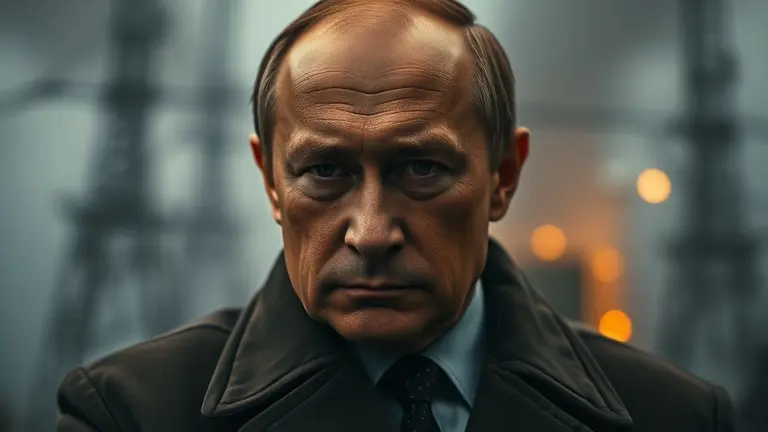
As of May 2026, the global geopolitical landscape has shifted into a precarious state of interconnected instability. While headlines focus on the surface-level attrition of the conflict in Ukraine, a far more critical transformation is underway: the erosion of the Kremlin’s economic foundation. Recent Ukrainian strikes against Russian energy infrastructure are no longer isolated tactical events; they are systemic shocks vibrating through a Russian budget increasingly tethered to the volatile outcomes of the US-Iran conflict and the shifting sands of Beijing’s diplomatic favor. To look at Putin today is to look at a leader whose domestic control is being tested not just by military failures, but by a complex, energy-dependent equation that is rapidly slipping beyond his influence.
Understanding the true vulnerability of the Kremlin requires looking past polarized rhetoric and examining the granular data of energy distribution and global market shifts. The current crisis is a multidimensional puzzle—a high-stakes game of economic attrition where oil prices, regional war, and geopolitical posturing intersect with devastating precision. For the professional analyst or the concerned citizen, tracking these variables demands a level of cognitive endurance and focus that few can maintain amidst the constant deluge of rapid-fire news and misinformation. Decoding these global power dynamics requires more than just attention; it requires the ability to see the invisible threads connecting distant events.
The Kremlin Under Pressure: Mapping Putin’s May 2026 Strategic Reality

As of late May 2026, the strategic reality for Vladimir Putin has shifted from a position of relative domestic stability to one defined by systemic vulnerability. The Russian state is currently grappling with a triad of compounding pressures: escalating Ukrainian strikes on critical energy infrastructure, the economic consequences of global oil volatility, and the increasing dependency on China following the Beijing summit on May 20th. Rather than viewing the current situation through a binary lens of military victory or defeat, analysts are increasingly focused on how these external shocks are accelerating the degradation of internal control within the Kremlin.
The recent targeting of energy and industrial hubs by Kyiv has fundamentally disrupted the Kremlin’s operational calculus. These strikes are not merely tactical inconveniences; they directly target the revenue streams necessary to sustain a long-term war effort. When coupled with the ripple effects of the ongoing US-Iran conflict, which has introduced significant unpredictability into global oil markets, Putin’s fiscal maneuverability is shrinking.
Key indicators of this mounting pressure include:
- Infrastructure Fragility: Sustained damage to domestic energy nodes is forcing the Kremlin to choose between servicing the export market—vital for state coffers—and maintaining domestic supply, which is critical for suppressing civil unrest.
- Geopolitical Dependency: Following his recent visit to Xi Jinping, it is evident that Russia’s autonomy is diminishing, with Moscow increasingly reliant on Beijing for both diplomatic cover and economic lifelines to bypass Western sanctions.
- Internal Attrition: The cumulative effect of prolonged military mobilization and inflation is manifesting as quiet but noticeable domestic tremors, as the economic “war premium” places a heavy burden on the Russian populace.
Ultimately, the confluence of these factors suggests that Putin is facing a crisis of sustainability. The Kremlin’s ability to project power abroad is now inextricably linked to its ability to secure its own energy backbone, an objective that is becoming more difficult as the regional and global security environments continue to destabilize.
The Energy-War Feedback Loop: Why Oil Prices Dictate Kremlin Longevity

The stability of Vladimir Putin’s administration is increasingly tethered to the volatile nexus of global energy markets and domestic industrial attrition. As of May 2026, the ongoing war in Iran has introduced significant supply-side shocks to the global crude market, creating a complex fiscal environment for the Kremlin. While rising oil prices theoretically provide a revenue windfall, this benefit is being aggressively neutralized by the destruction of key Russian refining infrastructure. Evidence suggests that Ukrainian forces have shifted their strategy toward the systematic targeting of energy hubs, creating a dual-pressure scenario where Russia faces both diminished export capacity and escalating costs for domestic war-machine maintenance.
Fiscal Vulnerability and Market Volatility
The Kremlin’s ability to fund prolonged military operations is heavily dependent on maintaining predictable export revenues. However, the intersection of international sanctions and direct kinetic strikes on critical infrastructure has compromised this financial foundation. Key factors currently straining the Russian budget include:
- Refinery Degradation: Persistent Ukrainian drone strikes on major industrial facilities have reduced the Kremlin’s capacity to process crude into high-value fuel products, forcing a reliance on less efficient, more expensive logistical workarounds.
- Price Elasticity and Sanctions: Global price volatility, exacerbated by the conflict in Iran, makes it increasingly difficult for Russia to navigate the “shadow fleet” market. As margins thin, the capital required to sustain military attrition becomes harder to secure.
- The Beijing Factor: Following diplomatic engagements with Xi Jinping, Russia has sought to deepen its reliance on Asian markets; however, these exports are often sold at steep discounts, further narrowing the fiscal window available to the Russian state.
Ultimately, the sustainability of Putin’s war effort now hinges on a narrow margin: if the cost of repairing damaged energy infrastructure continues to outpace the profits generated by crude exports—a trend heavily influenced by external geopolitical conflicts—the Kremlin faces an unprecedented fiscal crisis that could significantly undermine its long-term domestic control.
Diplomatic Cascades: From Beijing to the Potential European Envoys

The May 20, 2026, summit in Beijing marked a critical pivot point for Putin, cementing a deepening structural reliance on the China-Russia alliance. As the Kremlin faces increasing military attrition and domestic industrial strain, the diplomatic visit functioned less as a partnership of equals and more as an economic lifeline. By pivoting exclusively toward an Eastern-facing coalition, the Russian leadership is signaling a long-term strategic withdrawal from Western financial systems, a move that experts suggest is born of necessity rather than preference. This shift aims to insulate the Russian economy from the volatility caused by the ongoing war in Iran and its subsequent impact on global oil markets, which remains a primary variable in the Kremlin’s budgetary sustainability.
The Emerging European Diplomatic Track
Contrasting this Eastern alignment, quiet but persistent chatter within European Union policy circles suggests a renewed interest in exploring diplomatic off-ramps. European envoys are increasingly debating the feasibility of structured peace talks to de-escalate the conflict in Ukraine, driven by growing anxiety over energy security and the instability of global supply chains. However, these efforts face significant hurdles:
- Skepticism of Intent: EU policymakers remain divided on whether Putin possesses the domestic political capital to commit to sustainable peace, or if any negotiation would merely serve as a tactical pause to replenish depleted military reserves.
- The “Trump Factor”: The influence of the Trump administration adds a layer of unpredictability to these European initiatives. Analysts note that Washington’s shifting stance often forces Moscow to recalibrate its diplomatic priorities in real-time.
- Economic Constraints: The effectiveness of European diplomacy is currently tethered to oil price volatility; as long as the conflict in Iran keeps energy costs erratic, the Kremlin may find the leverage to continue its current trajectory, rendering traditional diplomatic overtures less attractive to the Russian leadership.
Ultimately, while the Beijing summit solidified a defensive geopolitical bloc, the potential for European mediation remains a volatile variable. Whether these diplomatic channels develop into formal negotiations or remain speculative depends on the intersection of Russia’s economic endurance and the internal coherence of the EU’s foreign policy framework.
Domestic Instability: Measuring the Fragility of Power
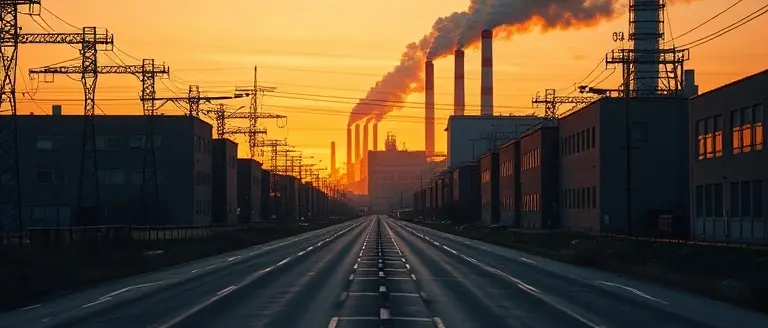
The narrative surrounding Vladimir Putin has shifted from projections of military dominance to an analytical focus on the structural integrity of the Russian state. As of May 2026, evidence suggests that the Kremlin’s domestic stability is under unprecedented pressure, not merely from political dissent, but from the cumulative weight of economic attrition and infrastructure degradation. The recent surge in Ukrainian strikes on energy facilities has forced a reassessment of Moscow’s industrial resilience. By targeting the nodes of domestic distribution, these strikes have exacerbated existing inefficiencies, directly threatening the fiscal throughput required to sustain the war effort.
Economic Metrics and Industrial Strain
The fragility of the current administration is increasingly visible through observable macroeconomic indicators rather than speculative political shifts. Several key factors highlight this instability:
- Labor Market Contraction: The mobilization of the workforce for military purposes has created critical shortages in the industrial and manufacturing sectors, driving up wage-push inflation.
- Infrastructure Degradation: Following recent strikes, the maintenance costs for energy grids and industrial refineries have soared, diverting critical capital away from the frontlines.
- Fiscal Dependency: The intersection of the war in Iran and global energy price volatility has left the Russian budget increasingly reliant on fluctuating oil revenues to offset domestic stagnation.
These systemic issues are causing observable friction within the Russian security apparatus. As the financial burden of the conflict deepens, the internal hierarchy faces a difficult choice: prioritize long-term domestic economic health or maintain short-term military operations. Analysts note that as Putin navigates this precarious balance, the traditional levers of state control—centralized resource allocation and security-sector dominance—are losing their efficacy. While the Kremlin continues to project strength, the operational reality within the Russian Federation points to a growing vulnerability where military setbacks now translate directly into heightened internal political risk.
Mastering Complexity in an Unstable Era
The convergence of the Ukrainian energy infrastructure strikes, the escalating tensions in the US-Iran conflict, and the Kremlin’s increasing reliance on Beijing reveals a fragile architecture of Russian state stability. By analyzing these data points, it becomes clear that Putin’s grip is not merely threatened by battlefield attrition, but by a tightening economic vice fueled by volatile global oil markets. Understanding these systemic risks requires deep, focused analysis, as surface-level narratives often obscure the mechanical realities of power, capital, and resource distribution.
As we untangle these complex global threads, maintaining cognitive sharpness is vital to understanding the true impact of these events on the global order. Navigating such dense information streams can lead to mental fatigue, hindering your ability to synthesize the critical insights necessary for informed decision-making. This is where intellectual optimization becomes a professional imperative.
The Brain Song is designed specifically for analytical thinkers who demand peak performance. By sharpening your mental clarity and focus, this tool ensures you can process intricate geopolitical data without cognitive overload, keeping you several steps ahead in an increasingly unpredictable world. It is the logical companion for any observer of high-stakes international affairs who refuses to let brain fog obscure the facts.
 Optimize your analytical focus—start your 12-minute daily brain training routine here.Transform My Mental Clarity Today!