
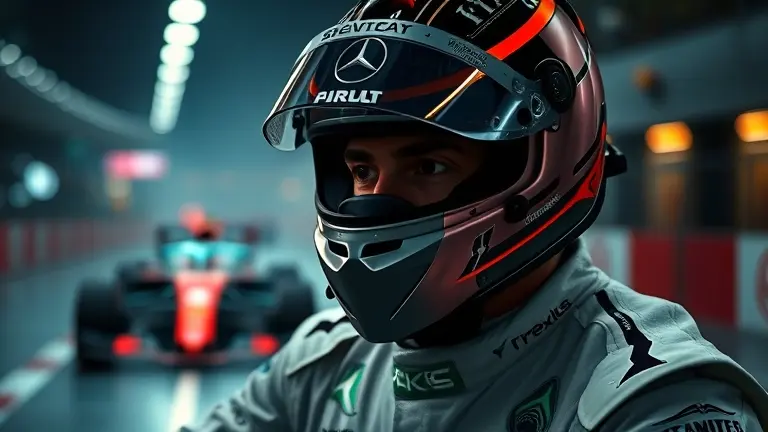
The high-octane drama of the 2026 Formula 1 season reached a boiling point at the Canadian Grand Prix, leaving the paddock stunned and the Mercedes garage in a state of visible tension. Following a controversial wheel-to-wheel clash during the Sprint race, rising star Kimi Antonelli did not mince words regarding his teammate, George Russell. The incident, which saw the young phenom forced off-track while challenging for position, has transformed from a mere racing mishap into a litmus test for team management. As fans scrutinize the F1 standings and debate the necessity of team orders, the internal friction between Mercedes’ established veteran and its prodigious talent has become the defining narrative of the year.
This clash goes beyond simple racing aggression; it signals a fundamental power struggle at the pinnacle of motorsport. As Mercedes navigates this volatile dynamic, the focus shifts to whether they can maintain a balanced competitive environment or if the pressure of the 2026 campaign will force them to abandon their ‘let them race’ philosophy. In a sport where the difference between a podium finish and a race-ending collision often comes down to millisecond processing, the mental toll on drivers has never been more apparent.
The Canadian Grand Prix Flashpoint: Understanding the Russell-Antonelli Tensions
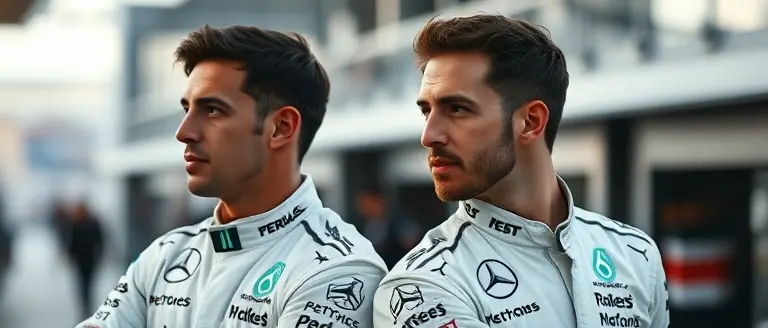
The 2026 Canadian Grand Prix Sprint race served as a volatile backdrop for the escalating internal rivalry between Mercedes teammates George Russell and Kimi Antonelli. The tension reached a boiling point during a wheel-to-wheel scrap that saw Antonelli forced off-track, an incident that has since sparked intense debate regarding team hierarchy. With George Russell securing the Sprint victory by a razor-thin margin of just 0.068s in qualifying earlier, the proximity of their performance metrics has made these on-track clashes almost inevitable. Antonelli’s post-race demand for “clarity” highlights a fundamental breakdown in communication, signaling that the “new guard” is no longer content to defer to the seniority of the established British driver.
Analyzing the Strategic Fallout
This collision is not merely an isolated racing incident; it represents a significant pivot in F1 race management for the Brackley-based squad. As the team evaluates the f1 standings and looks toward the remainder of the 2026 season, the management team faces a delicate balancing act. Evidence suggests that the friction stems from a lack of defined protocols during high-stakes maneuvers, leading to the following key points of contention:
- Unclear Team Orders: Antonelli’s frustration points to a void in team directives, leaving drivers uncertain about how much risk is permitted during inter-team combat.
- Telemetry Disparity: Close f1 qualifying margins show that both drivers are pushing the W17 to its absolute limit, leaving no room for error when they share the same piece of tarmac.
- Leadership Pressure: Mercedes must now decide whether to enforce stricter protocols or allow their drivers to race freely, a move that risks further contact but provides essential data on their developmental trajectories.
Moving forward, the primary challenge for Mercedes will be preventing this internal friction from compromising their overall championship aspirations. If the team fails to establish a clear mandate regarding how they approach wheel-to-wheel battles, the ongoing competitive tension between the veteran Russell and the rising talent Kimi Antonelli could become a recurring liability in their pursuit of the top spot in the f1 standings.
Telemetry Breakdown: Contrasting Racing Styles and 2026 Performance
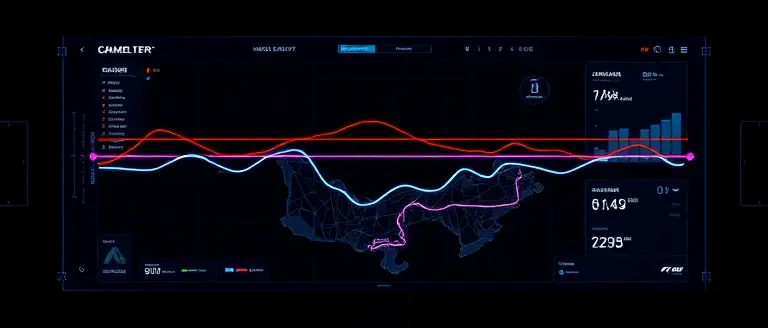
The 2026 F1 standings highlight a fascinating technical divide within the Mercedes garage, pitting the calculated precision of George Russell against the raw, unbridled pace of Kimi Antonelli. Data from the recent F1 Canada event provides a clear look at their differing approaches: Russell relies on a “point-and-squirt” methodology, prioritizing clinical corner exits to maximize straight-line speed, while Antonelli exhibits a high-minimum-speed approach, favoring aggressive trail braking to rotate the car mid-corner. Telemetry shows that during F1 qualifying, Antonelli consistently pushes the tire-temperature envelope earlier than his teammate, often gaining time in the first sector but leaving himself vulnerable to thermal degradation over long-run race stints.
This divergent style was evident in their recent Sprint duel, where their conflicting lines led to the critical off-track incident. Russell’s veteran experience allows him to manage tire energy effectively, a trait that has served him well throughout the season, whereas Antonelli’s pace suggests a more “all-or-nothing” racing profile that keeps Mercedes engineers constantly adjusting setup parameters to balance performance and longevity.
- Corner Entry Strategy: Russell utilizes a slightly shallower entry angle, keeping the platform stable to preserve rear tire life, whereas Antonelli utilizes a sharper, late-braking entry that forces the chassis to work harder under load.
- Sector Performance: Telemetry indicates that Antonelli frequently finds higher mid-corner speeds, particularly in high-downforce sections, while Russell compensates with superior traction off the apex.
- Tactical Implications: The tension observed during the F1 race indicates that their performance parity is so razor-thin—often separated by less than 0.1s—that any deviation from team-agreed racing lines leads to immediate conflict.
For Mercedes, the path forward requires reconciling these styles through refined team protocols. While Antonelli’s speed is undeniable, his lack of experience in managing high-stakes wheel-to-wheel battles alongside a seasoned professional like Russell necessitates a clearer internal directive. As the season progresses, management must decide whether to grant them total autonomy or implement stricter guidelines to prevent further incidents that threaten their overall championship standing.
The Mercedes Management Dilemma: Navigating Teammate Rivalries
The friction displayed during the F1 Canada Sprint between Kimi Antonelli and George Russell has placed Mercedes at a critical management crossroads. Historically, the team is no stranger to internal volatility; the infamous Rosberg-Hamilton era remains the benchmark for how quickly intra-team parity can spiral into organizational instability. While that period ultimately yielded championship success, the 2026 philosophy is markedly different. Mercedes currently aims to foster a collaborative culture that prioritizes f1 standings for the Constructor’s Championship, yet the aggressive racing styles of their current duo present a significant tactical hurdle. The team must now reconcile Russell’s veteran consistency—evidenced by his narrow 0.068s advantage in f1 qualifying—with the undeniable raw pace and competitive hunger of their young star.
Balancing Performance and Hierarchy
To avoid the pitfalls of the past, management must define a clear framework for wheel-to-wheel combat. The demand for “clarity” voiced by Antonelli highlights that, without explicit guidelines, drivers will inherently prioritize their own standing over the team’s collective success. Mercedes faces three distinct challenges in managing this dynamic:
- Constructors’ Risk: Allowing unrestricted racing during an f1 race increases the probability of collision, threatening essential points needed to maintain momentum in the championship.
- Talent Nurturing: Excessive restrictions could stifle Antonelli’s development, whereas total freedom risks undermining the veteran authority of Russell.
- Strategic Transparency: Implementing team orders is often unpopular with fans, yet recent developments suggest that some form of intervention may be necessary to stabilize the internal environment.
Evidence suggests that Mercedes will likely move toward a “let them race” policy with strict boundaries, reinforcing that personal glory cannot supersede the team’s objective. As the 2026 season progresses, the ability of team leadership to mediate this rivalry will be just as crucial as their technical upgrades in determining who hoists the trophy at the season’s end.
Season Trajectory: Tracking the Intra-Team Battle
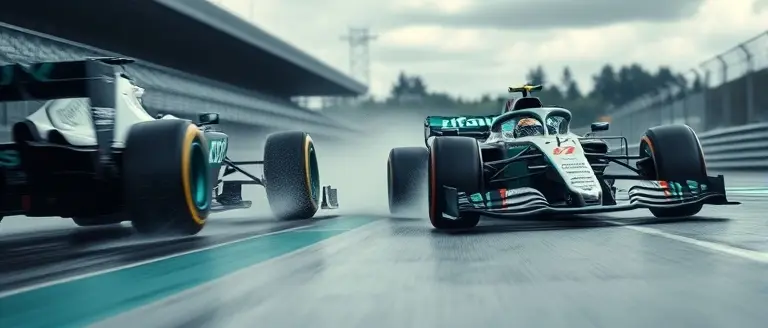
The 2026 f1 standings tell a story of immense internal pressure as the season progresses, with the dynamic between George Russell and the rising star Kimi Antonelli shifting from professional cooperation to open friction. Early-season performance telemetry suggested a balanced entry; however, the recent f1 race at the f1 Canada circuit has exposed a widening gap in expectations regarding intra-team racing etiquette. During the high-stakes f1 qualifying sessions and the subsequent Sprint, the razor-thin margins—most notably Russell’s 0.068s advantage—have forced the team into a precarious position. When competitive parity is this absolute, the lack of defined team rules creates a volatility that threatens Mercedes’ broader championship ambitions.
Managing Internal Friction and Team Orders
The current tension demands a decisive shift in management strategy. To prevent further on-track incidents that compromise potential points, Mercedes leadership must balance the individual ambitions of both drivers with the necessity of a collaborative environment. Evidence suggests that without clear directives, the rivalry could mirror historic internal conflicts that historically hindered team development. Both drivers face a critical evolution point:
- Tactical Maturity: Both Russell and Antonelli must learn to prioritize the “team game” during long-distance races, reserving aggressive maneuvers for non-teammate rivals.
- Communication Protocols: The call for “clarity” from Antonelli implies that post-race debriefs are no longer sufficient; he requires pre-race expectations that dictate how and when teammates are permitted to challenge one another.
- Telemetry Integration: Using data to identify performance trends allows the team to manage driver egos by objective measurement, rather than subjective sentiment.
As the season advances, the Mercedes hierarchy must determine if they will allow their drivers to fight freely or implement restrictive team orders. While fans appreciate the intensity of a wheel-to-wheel battle, the team’s long-term success relies on maintaining a stable culture that fosters growth without sacrificing the points necessary to climb the constructor rankings.
Mastering the Mental Edge in High-Stakes Racing
The intensifying rivalry between Antonelli and Russell highlights the extreme cognitive demands placed on modern F1 drivers. When traveling at over 200 mph, a driver’s ability to analyze telemetry, navigate traffic, and make split-second decisions is the ultimate competitive advantage. It is a testament to how crucial peak cognitive performance is in the heat of the race; even the smallest mental lapse can be the difference between glory and a DNF.
Achieving this level of elite focus isn’t reserved solely for those in the cockpit. The Brain Song is specifically designed for high-performers who demand that same level of mental clarity and rapid information processing. By integrating this tool into your daily routine, you can sharpen your focus and improve your ability to handle complex information under pressure, providing the exact cognitive optimization needed to navigate life’s most intense challenges.
You don’t need to be an F1 driver to benefit from elite mental efficiency. Whether you are managing complex projects or facing high-stakes decisions, enhancing your brain’s performance is the smartest investment you can make for your professional and personal life. Step into the elite mindset today.
 Unlock your own cognitive edge—try the 12-minute daily routine that sharpens focus and mental precision, just like the world’s top performers.Transform My Mental Performance Today