
When New York Giants quarterback Jaxson Dart stepped onto the stage at the Rockland Community College campaign rally for President Donald Trump on May 22, 2026, he wasn’t just making a political statement—he was potentially setting off a firestorm within the professional sports landscape. As the Giants organization remains silent, the viral footage of Dart’s appearance has transcended the typical political divide, shifting the conversation toward the intense, often invisible dynamics that govern a professional NFL locker room.
While fans and pundits argue over the merits of athlete activism, the real, unfolding story lies in the fractured morale behind closed doors. The intersection of high-stakes sports and polarizing national politics has exposed raw nerves, raising critical questions about team chemistry, individual brand autonomy, and the unspoken social contract that binds teammates together under immense public pressure.
Jaxson Dart’s Surprise Appearance at Rockland Community College: A Timeline
On May 22, 2026, the intersection of professional sports and national politics took an unexpected turn when New York Giants quarterback Jaxson Dart made a high-profile, surprise appearance at a campaign-style rally for President Donald Trump. Held at Rockland Community College in New York, the event served as a major flashpoint, drawing intense media scrutiny and immediate fan engagement across social platforms. Dart’s involvement was not previously signaled, making his physical presence on the stage a shock to both the Giants’ organization and the broader NFL landscape.
The Sequence of Events
The appearance unfolded in a rapid, high-intensity sequence that left little room for immediate reaction from team leadership:
- Early Afternoon Arrival: Reports confirmed Dart was seen entering the venue at Rockland Community College hours before the main programming began, sparking early rumors among attendees.
- The Introduction: Shortly before the scheduled keynote, Dart took the podium to personally introduce President Trump, offering brief remarks that aligned with the rally’s political messaging.
- Immediate Viral Fallout: Within minutes of his departure from the stage, social media platforms—particularly X (formerly Twitter) and Reddit—erupted with reactions.
The media fallout was instantaneous. Outlets like USA TODAY and The Athletic quickly pivoted to cover the event, highlighting the growing unease within the Giants’ locker room. Internal tension became the defining narrative of the evening, underscored by public skepticism from teammates. Notably, Giants linebacker Abdul Carter expressed his disbelief via social media, questioning the reality of the situation with the post: “What we doing man?” and reportedly speculating that the footage might be AI-generated. This confusion highlights the broader disconnect the event created, as fans and staff alike struggled to reconcile the quarterback’s personal political activity with the professional expectations of an NFL team. The incident continues to evolve as observers await official statements regarding the implications for team chemistry and internal cohesion.
Internal Locker Room Dynamics: The Growing Tensions within the Giants
The surprise appearance of quarterback Jaxson Dart at a campaign-style rally for President Donald Trump has triggered immediate friction within the New York Giants organization. While professional athletes frequently navigate the intersection of sports and politics, Dart’s decision to take the stage at Rockland Community College has created a palpable rift in the locker room. Reports indicate that several teammates, most notably linebacker Abdul Carter, have expressed frustration, with Carter taking to social media to openly question the move. The shock among the roster was reportedly so significant that some players initially dismissed the event as a deep-fake or AI-generated content before the reality of the situation set in.
The Impact on Team Cohesion
The current tension highlights a critical challenge for the Giants: maintaining a unified front during the offseason when personal political expressions collide with professional team identity. As the franchise navigates the fallout from the Jaxson Dart Trump rally, internal concerns are mounting regarding whether these events will translate into long-term chemistry issues. Key factors contributing to this instability include:
- Divergent Player Perspectives: The open reaction from veterans suggests that the locker room is currently fractured, with players struggling to reconcile their personal political stances with the team’s public-facing image.
- Organizational Silence: The Giants have yet to release a formal statement, leaving a vacuum of leadership that has allowed speculation and teammate frustration to proliferate in the media.
- Media Distraction: The intensity of the coverage from outlets like The Athletic and NJ.com has turned a political choice into a focal point of team discussions, potentially diverting focus from training and development.
Evidence suggests that how the coaching staff and front office address these interpersonal dynamics will be paramount. If the organization fails to facilitate productive internal dialogue, the distraction caused by the Jaxson Dart controversy could persist into the regular season, testing the team’s ability to remain focused on competitive goals amidst highly polarized public scrutiny.
The Intersection of Professional Sports and Political Polarization
The recent appearance of New York Giants quarterback Jaxson Dart at a Trump rally in Rockland County has reignited the national conversation regarding the role of professional athletes in the political arena. While sports figures have historically used their platforms to advocate for social change—from the civil rights activism of the 1960s to contemporary protests—the current climate of political polarization has significantly altered the public’s reception. Unlike previous eras, where athlete activism was often focused on broader humanitarian issues, modern involvement in high-profile campaign events like a Jaxson Dart Trump rally participation creates immediate, localized friction, specifically impacting team chemistry and locker room cohesion.
The shift in how fans and teammates perceive these actions is largely driven by the speed of social media and the ubiquity of real-time reporting. Evidence suggests that when professional athletes engage in partisan political campaigning, the reaction is often bifurcated between ideological lines, leading to intense scrutiny from teammates and the general public.
Several factors contribute to the heightened tension surrounding such events:
- The “Locker Room Impact”: As seen with the frustration voiced by Giants linebacker Abdul Carter, personal political affiliations can create visible friction within a team, potentially affecting professional performance and group unity.
- Rapid Information Cycles: The immediate viral reaction to the Jaxson Dart Trump rally illustrates how digital discourse often outpaces organizational policy, leaving teams scrambling to address the fallout.
- Brand Sensitivity: For modern athletes, a high-profile political endorsement can cause significant shifts in personal sponsorship portfolios and public perception, often resulting in complex management strategies for the organizations they represent.
The lack of formal guidance from professional leagues regarding player participation in partisan events leaves a vacuum that is increasingly filled by speculation and emotional public reaction. As the landscape continues to evolve, the challenge for both players and management remains finding a balance between individual freedom of expression and the collective necessity of maintaining a cohesive professional team environment. Data-driven analysis of recent events highlights that this intersection is no longer a fringe issue but a core component of how fans and organizations must navigate the future of sports media.
Fan Sentiment vs. Organizational Strategy: A Fractured Response
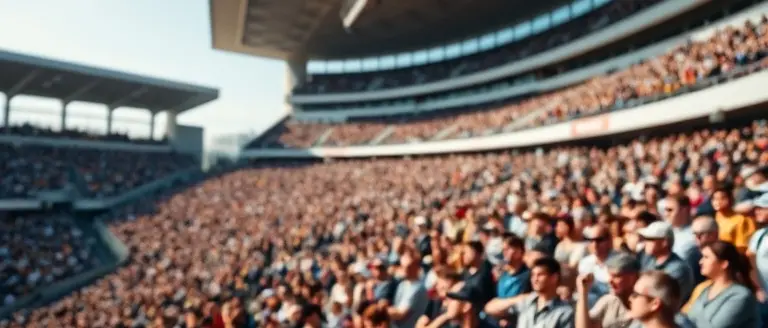
The appearance of New York Giants quarterback Jaxson Dart at a Trump rally in Rockland Community College has ignited a polarized firestorm across the digital landscape. Within fan communities, such as r/NYGiants, the discourse has fractured significantly. Supporters argue that professional athletes retain the fundamental right to individual political expression, regardless of the platform. Conversely, a vocal segment of the fanbase perceives the move as a distraction that compromises the team’s unified identity. This sharp divide highlights the ongoing tension between a player’s private political activity and their public role as a representative of a high-profile NFL franchise.
The Challenge of Corporate Neutrality
While public discourse remains volatile, the New York Giants organization has maintained a calculated silence. This strategic ambiguity is common in professional sports, where management often attempts to insulate the team brand from the fallout of partisan political engagements. However, the lack of an official statement regarding the Jaxson Dart Trump rally appearance has left a vacuum quickly filled by speculation. Teams today face an increasingly difficult balancing act:
- Brand Identity Protection: Balancing an athlete’s personal brand against the collective corporate interest of the organization.
- Locker Room Cohesion: Addressing the internal fallout, such as the public skepticism voiced by teammate Abdul Carter, without alienating individual players.
- Stakeholder Management: Navigating the disparate expectations of diverse fanbases, sponsors, and media partners who each demand different levels of institutional accountability.
Ultimately, the silence from the Giants’ front office underscores the difficulty of managing high-profile personnel in a politically charged environment. As the controversy continues to unfold, the organizational response—or lack thereof—will likely serve as a case study for how NFL teams handle the intersection of superstar athlete expression and team chemistry. Whether the Giants eventually issue a formal policy or choose to rely on internal resolution remains the primary uncertainty for analysts and fans alike.
Decoding the Psychology of Team Dynamics
The controversy surrounding Jaxson Dart serves as a high-profile case study in the breakdown of professional synergy. At its core, the tension within the Giants’ facility is not merely about political alignment; it is about the violation of the ‘locker room code’—the unspoken expectation of collective identity and mutual respect. When individual actions threaten the cohesion of the unit, the biological need for validation and safety within that tribe is triggered, often leading to the palpable friction we are witnessing today.
Understanding these reactions requires more than just sports analysis; it demands a deeper look into the human psyche. This is where His Secret Obsession becomes an essential tool for navigating complex social environments. By leveraging the ‘Hero Instinct,’ this psychological manual offers a profound framework for decoding why men react with such intensity when their sense of respect and essential value is challenged. Just as teammates navigate the pressures of the gridiron, you can apply these principles to understand the emotional triggers that drive the men in your life.
By mastering the signals that foster loyalty and deep-seated connection, you can move past the chaotic surface-level drama to address the fundamental psychological needs that dictate behavior. Whether you are managing professional dynamics or personal relationships, learning how to tap into these innate drives is the key to influencing outcomes in any high-stakes scenario.
 Discover the ‘Secret Signals’ that drive male loyalty and learn how to trigger the Hero Instinct in any high-stakes relationship.Unlock the Secrets to Male Loyalty Now!