
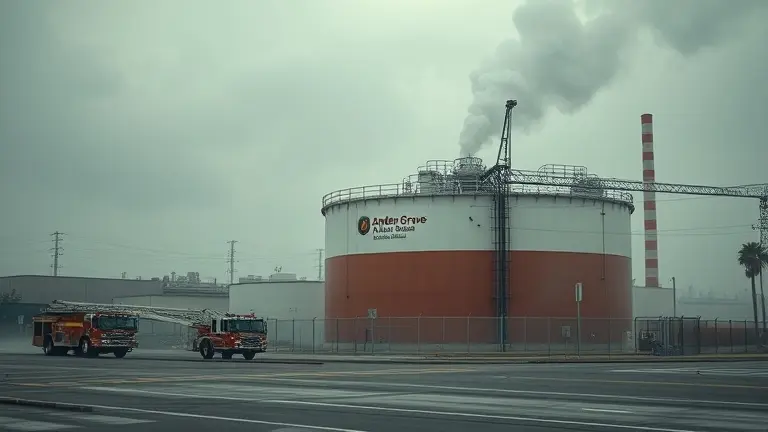
The morning of May 23, 2026, marks a somber turning point for Orange County as thousands of residents remain under strict evacuation orders following a catastrophic chemical threat in Garden Grove. With a 34,000-gallon storage tank teetering on the edge of instability, the Orange County Fire Authority and local agencies are engaged in a race against time to prevent a toxic catastrophe. For the 40,000 individuals displaced across Garden Grove, Anaheim, Cypress, and Stanton, the silence of their evacuated neighborhoods is matched only by the growing anxiety surrounding what comes next.
While real-time news focuses on evacuation perimeters and cooling efforts, a deeper, more pressing concern has emerged: the long-term health implications for those living in the shadow of this industrial facility. As the community waits for the official all-clear, families are rightfully questioning the quality of the air they will return to and the potential physiological impact of this hazardous exposure. This guide aims to bridge the information gap, offering verified safety protocols and essential resources for those navigating this unfolding emergency, while looking ahead at the necessary industrial reforms required for our high-density urban landscape.
Current Status: Garden Grove Chemical Emergency and Evacuations

As of the morning of May 23, 2026, an active and high-stakes emergency response is underway following a garden grove chemical incident discovered on May 22. Authorities identified a 34,000-gallon chemical storage tank at an industrial facility as being in a dangerously compromised and unstable state. This critical situation has prompted the Orange County Fire Authority (OCFA) to treat the site as a potential hazard of extreme proportions, specifically focusing on the prevention of a catastrophic explosion or a widespread toxic atmospheric leak. Emergency crews remain on-site, engaged in a continuous, complex effort to cool the vessel and stabilize the pressure within the tank.
Scope of Evacuation and Public Safety
Due to the significant volatility of the materials involved, mandatory evacuation in orange county has been enforced to ensure the safety of the surrounding population. Current data indicates that approximately 40,000 residents are affected by these displacement orders, spanning across the municipal boundaries of Garden Grove, Anaheim, Cypress, and Stanton. The primary goal of these directives is to maintain a sterile perimeter, allowing emergency responders to perform stabilization operations without the risk of civilian casualties.
Key operational updates include:
- Displaced Population: Over 40,000 residents across four cities remain under mandatory evacuation as of 10:40 AM on May 23.
- Emergency Response: OCFA, in coordination with local municipal departments, is managing the incident with a focus on containment.
- Resource Access: Officials urge residents to monitor the official City of Garden Grove emergency portal for real-time updates and localized safety protocols.
- Public Health Priority: While the threat remains, local news agencies are working with health officials to address public concerns regarding potential exposure, though residents are strictly advised to remain outside the designated exclusion zones until further notice.
This situation continues to evolve rapidly. The public is reminded to rely exclusively on verified reports from the Orange County Fire Authority rather than speculative information circulating on social media platforms regarding the stability of the industrial tank.
Safety Protocols and Evacuation Map Resources
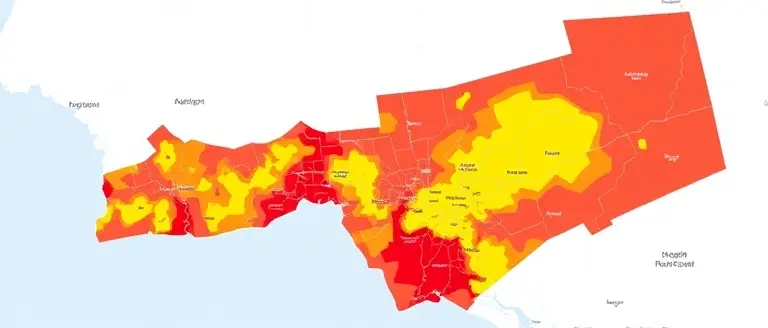
As the Garden Grove chemical incident continues to evolve, the Orange County Fire Authority (OCFA) and local municipal governments have established rigorous safety protocols to protect the 40,000 residents currently under mandatory evacuation in Orange County. Official emergency portals, particularly the City of Garden Grove emergency portal, serve as the primary source of truth for real-time map updates. Residents must verify their current address against the latest interactive maps provided by these portals, as the perimeter of the exclusion zone is subject to change based on the stability of the 34,000-gallon chemical storage tank. It is imperative that individuals do not rely on third-party social media speculation, as official directives provide the most accurate assessment of wind direction and potential toxic exposure paths.
Essential Safety and Transit Guidance
When directed to evacuate or shelter-in-place, adhering to law enforcement directives is non-negotiable. If you are instructed to leave your residence, follow these protocols:
- Evacuation Routes: Utilize primary arterials identified by the OCFA. Avoid local side streets that may be reserved for emergency vehicle staging and high-speed hazardous materials response teams.
- Sealing Your Home: If the area is designated for a “shelter-in-place” order, immediately close all windows, doors, and fireplace dampers. Turn off HVAC systems to prevent the intake of external air, which could contain potential chemical vapors.
- Communication: Keep mobile devices charged and monitor the official Garden Grove and OCFA social media channels or local news broadcasts for real-time updates.
- Transit Safety: If driving, keep your vehicle’s air recirculation mode engaged and windows tightly sealed. Follow all temporary signage and instructions provided by local law enforcement officers managing traffic at the perimeter of the incident site.
Public safety officials emphasize that the stability of the industrial tank remains a high-stakes priority. While the psychological impact on displaced residents is significant, maintaining organized, calm, and informed movement within the evacuation zone is the most effective way to minimize health risks and support the ongoing mitigation efforts by emergency crews.
Support Resources for Displaced Residents
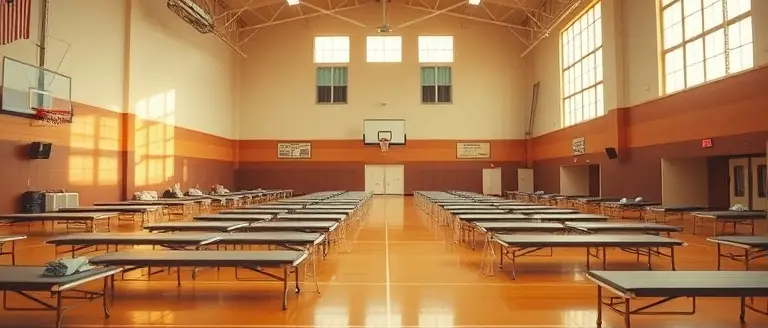
For the approximately 40,000 residents affected by the garden grove chemical incident, accessing timely support is critical while mandatory evacuation in orange county remains in effect. Local municipal governments and the Orange County Fire Authority (OCFA) have established emergency protocols to assist those displaced from their homes. Residents seeking temporary shelter should immediately check the official City of Garden Grove emergency portal at ggcity.org/emergency for the most current list of open evacuation centers, which offer baseline necessities, hydration, and safe refuge away from the hazard zone. If you are in immediate need of assistance, contact local authorities or visit the designated Red Cross response hubs identified on municipal social media channels.
Medical Care and Prescription Access
Evacuees experiencing respiratory distress or requiring urgent medical attention should prioritize seeking care at designated community clinics. Those who left behind essential medications should contact their pharmacy provider or visit a local urgent care facility; many regional providers are currently coordinating with health departments to expedite emergency refills for displaced individuals. If you have underlying respiratory conditions, be advised that the ongoing chemical containment efforts may still pose air quality risks, and you should remain well clear of the established perimeter until authorities provide an official “all-clear” notification.
Documenting Property for Future Claims
While your immediate safety is the top priority, preparing for the recovery phase is essential. To streamline future insurance claims related to this industrial disaster, follow these documentation practices:
- Log Expenses: Save all receipts for temporary lodging, meals, and emergency supplies purchased during the evacuation period.
- Photograph Assets: If safe to do so after returning home, document any potential property damage before cleaning or clearing debris.
- Maintain Records: Keep a digital or physical log of all communication with your insurance provider regarding the event.
- Official Verification: Refer back to the OCFA’s incident reports to secure official documentation confirming the evacuation order for your specific address, as this will be required for most insurance displacement claims.
Industrial Safety and Regulatory Oversight in Orange County

The garden grove chemical incident serves as a stark reminder of the complexities involved in balancing industrial utility with public safety in high-density regions. As authorities, led by the Orange County Fire Authority (OCFA), work to stabilize the 34,000-gallon storage tank, significant questions are emerging regarding the historical zoning and regulatory oversight that permitted such large-scale hazardous materials to be stationed in close proximity to residential neighborhoods. Effective oversight in urban centers like Orange County requires a multi-layered approach involving municipal planners, fire marshals, and environmental health agencies to ensure that risks are mitigated long before they reach an emergency threshold.
Strengthening Oversight and Emergency Preparedness
In the wake of this crisis, policy experts are advocating for a more rigorous evaluation of safety protocols for industrial facilities. The evacuation orange county response, which has displaced approximately 40,000 residents, highlights the catastrophic potential of chemical storage failure and the necessity for updated urban development models. Future safety standards must prioritize the following:
- Heightened Inspection Frequency: Increasing the number of unannounced safety audits for facilities housing volatile or toxic substances to ensure equipment integrity remains within manufacturer specifications.
- Buffer Zone Reassessment: Implementing stricter land-use policies that mandate larger physical distances between high-risk industrial storage and residential housing or critical public infrastructure.
- Technological Integration: Utilizing real-time, sensor-based monitoring systems that provide early warning signs of tank instability directly to the Orange County Fire Authority dispatch centers.
- Unified Emergency Response Training: Enhancing cross-jurisdictional collaboration between cities like Garden Grove, Anaheim, Cypress, and Stanton to streamline mass-evacuation logistics and public communication channels.
Ultimately, the long-term implications of this emergency will likely drive a legislative push to modernize safety codes across Southern California. Ensuring the safety of the public requires moving beyond routine compliance and toward a proactive, intelligence-driven framework for managing industrial hazards in the heart of our communities.
Prioritizing Your Health Amidst Environmental Uncertainty
As the immediate crisis in Garden Grove subsides and the focus shifts from emergency evacuation to long-term community recovery, the true priority must become personal health and environmental resilience. While officials work to contain the industrial risk, the psychological and physical toll on the 40,000 residents displaced by this incident cannot be overlooked. Understanding the potential for lingering airborne irritants is the first step in reclaiming peace of mind after such a high-stakes event.
Beyond the structural safety of our neighborhoods, there is a legitimate concern regarding the long-term impact of potential chemical exposure on our delicate respiratory and sinus systems. Living in high-density urban areas near industrial hubs requires us to be proactive about our wellness. Strengthening your respiratory defenses is not just about reacting to a crisis; it is about building a buffer against the environmental stressors that we face in our daily lives.
This is where ProDentim becomes an essential partner in your post-incident wellness routine. By focusing on the health of the upper respiratory system and sinuses, ProDentim offers a natural, probiotic-driven defense mechanism designed to support your body’s resilience. For families navigating the aftermath of the Garden Grove incident, incorporating this specialized approach provides a meaningful layer of support, helping you breathe easier as we move forward together. Don’t leave your long-term respiratory health to chance—take a proactive step today.
 Discover how to support your respiratory health and combat the effects of environmental stressors with a specialized probiotic approach.Transform My Respiratory Health Today!