
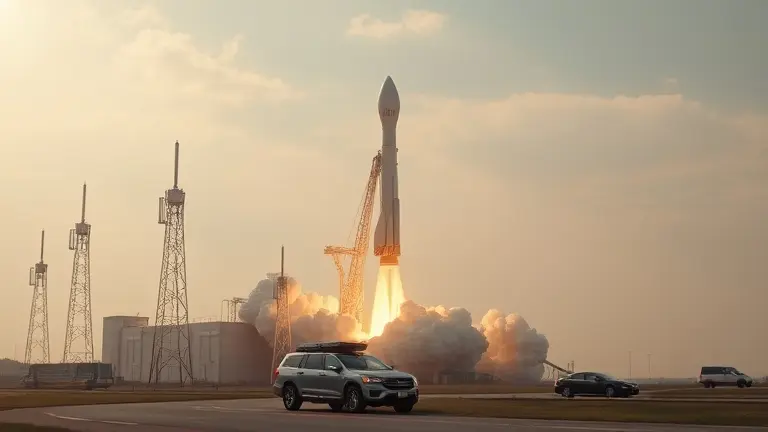
When the dust settled at Starbase on May 22, 2026, the successful 12th flight of Starship V3 signaled far more than a routine aerospace test. As the massive rocket pierced the Texas sky, it confirmed that SpaceX’s latest design iterations—focused on thermal protection and engine efficiency—are no longer just prototypes, but pillars of a new lunar economy. While mainstream audiences were captivated by the celebrity-studded event, the true story lies in the silent, technical precision that enabled the launch after a nerve-wracking scrub just 24 hours prior.
For industry observers, the focus is now shifting from the excitement of the launch to the strategic implications for NASA’s Artemis program and the growing speculation regarding SpaceX’s financial future. If the ‘spacex launch today’ search query highlighted the world’s hunger for event-based updates, the real-world value now lies in understanding why this V3 configuration is the key to deep-space indispensability. To understand how SpaceX is revolutionizing heavy-lift logistics, we must look closer at the rigorous engineering discipline that turns complex schematics into historical achievements.
Starship Version 3: Analyzing the May 22 Milestone
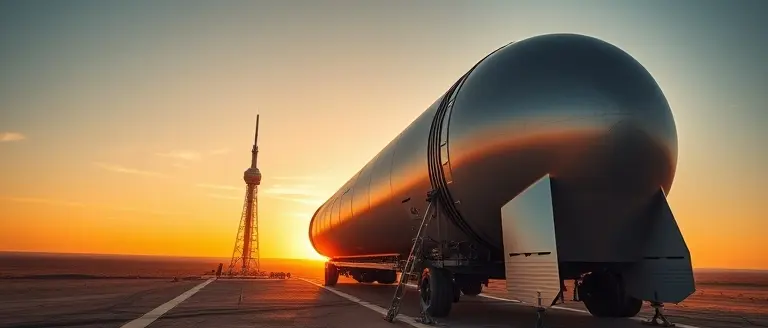
The successful deployment of the Starship Version 3 (V3) megarocket on May 22, 2026, marks a pivotal evolution in aerospace engineering. After a disappointing scrub on May 21—attributed to localized ground-side sensor anomalies—SpaceX engineers resolved the technical hurdles within 24 hours, allowing the vehicle to clear the launchpad at Starbase in South Texas. This 12th test flight was more than a routine mission; it served as the inaugural stress test for the V3 architecture, which integrates critical hardware upgrades designed to enhance the vehicle’s payload capacity and reusability profiles for upcoming lunar sorties.
Technical Breakthroughs and Upgrades
The transition from previous iterations to the V3 design focuses heavily on thermal durability and propulsion efficiency. By refining the Starship thermal protection system and increasing thrust-to-weight ratios, SpaceX has demonstrated a significant leap in operational readiness. Key technical benchmarks achieved during this mission include:
- Upgraded Thrust Capabilities: Enhanced engine performance allows for heavier lift capacities, essential for the logistical requirements of a permanent lunar base.
- Advanced Heat Shielding: The V3 features next-generation ablative materials that performed reliably during high-velocity atmospheric reentry, a historically difficult phase for earlier prototypes.
- Rapid Turnaround Potential: Data from the launch reinforces the feasibility of the quick-cycle operations necessary to fulfill NASA’s ambitious Artemis mission schedule.
Beyond the engineering data, the event served as a nexus for cultural and economic discourse. The presence of high-profile figures, including Nicki Minaj, underscored the transition of the space x launch from a niche scientific pursuit to a marquee global event. However, for industry observers, the real story remains the successful integration of these V3 systems, which positions SpaceX as an indispensable partner in the U.S. government’s long-term deep-space roadmap. This flight confirms that the hardware is rapidly approaching the maturity required for human-rated lunar landings.
Engineering Benchmarks: Beyond the Launchpad
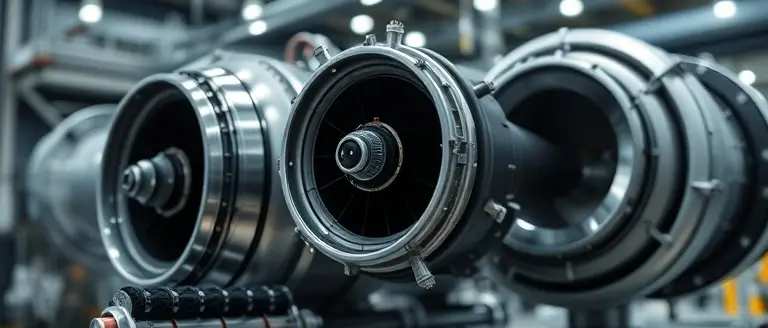
The successful 12th test flight of the SpaceX Starship marks a transition from experimental prototyping to operational reliability. While the public interest in a spacex launch today often centers on the spectacle of the lift-off, the true significance of the Flight 12 mission lies in the performance of the Starship Version 3 (V3) architecture. This iteration introduces critical upgrades designed to resolve the recurring bottlenecks of previous test cycles, specifically regarding thermal protection longevity and engine throttle control during the ascent phase. By stabilizing the Raptor engine array under high-stress conditions, SpaceX has demonstrated a refined capability for managing the extreme vibration profiles inherent in heavy-lift launch vehicles.
Advancing Orbital Readiness
The engineering achievements of the V3 architecture are foundational to the company’s broader mission roadmap. To meet the rigorous demands of NASA’s lunar landing contracts, the system must prove it can perform complex maneuvers in low-Earth orbit. The following technical milestones were the primary objectives for this flight:
- Propellant Transfer Efficiency: Data gathered during this flight confirms improved fluid management systems, which are essential for orbital refueling—a prerequisite for long-duration deep-space travel.
- Enhanced Stage Separation: The V3 system utilized a refined separation sequence, reducing mechanical shock and increasing the structural integrity of the upper stage during the transition to vacuum.
- Thermal Shield Resilience: With new material compositions on the heat shield, the vehicle successfully mitigated the plasma-induced erosion observed in earlier space x launch attempts.
These benchmarks provide the necessary evidence that Starship launch today signifies more than just a successful flight; it confirms that SpaceX is closing the gap on the technology required for sustained lunar presence. The ability to execute these maneuvers with consistent precision validates the shift toward a more robust, reusable vehicle class, directly impacting the confidence levels of government stakeholders and commercial partners alike. As SpaceX moves closer to mission-ready status, these technical refinements serve as the bridge between current test capabilities and the eventual deployment of heavy infrastructure to the lunar surface.
The Lunar Roadmap: Accelerating NASA’s Ambitions
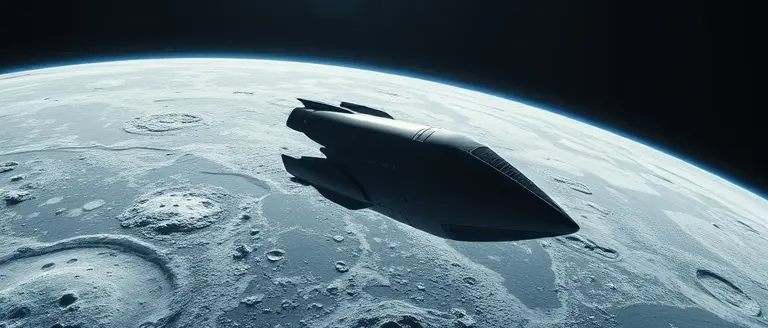
The successful 12th test flight of the SpaceX Starship V3 represents a pivotal technical milestone for NASA’s Artemis program. By transitioning to the upgraded V3 configuration, SpaceX has moved beyond initial orbital proof-of-concept testing into a phase defined by payload capacity validation and human-rated system reliability. For NASA, this space x launch is not merely an achievement in aerospace engineering; it is the fundamental prerequisite for fulfilling the 2026-2027 lunar roadmap. The data harvested during this flight confirms that the V3 architecture possesses the necessary thrust-to-weight efficiency required to ferry massive payloads—and eventually crews—to the lunar surface.
Strategic Implications for Artemis
The performance benchmarks achieved today provide the empirical evidence required to accelerate the mission timeline for the Human Landing System (HLS). Integrating Starship into the Artemis architecture is essential for long-term lunar sustainability, specifically regarding orbital refueling and large-scale cargo deployment. Key takeaways regarding the 2026-2027 roadmap include:
- Payload Scalability: The V3’s demonstrated mass-to-orbit capability validates that NASA can transport heavier research modules and pressurized surface habitats than originally projected with legacy vehicles.
- Mission Cadence: Frequent, successful tests are critical for certifying the system for human flight. This launch reduces the perceived risk profile, positioning SpaceX as the primary vehicle for high-stakes lunar landings.
- Infrastructure Synergy: Successful integration with the Lunar Gateway is now closer to reality, as the V3 iteration improves precision docking and long-duration cryogenic fuel stability in the vacuum of space.
As the industry tracks every spacex launch today, it is clear that the company’s ability to iterate rapidly has transformed the lunar landing narrative from a theoretical goal into an imminent reality. By finalizing the technical requirements of the V3, SpaceX has solidified its status as an indispensable partner in the U.S. government’s deep-space agenda, ensuring that the critical milestones for 2027 remain within reach.
Market Impact and SpaceX’s Financial Trajectory

The successful deployment of the Starship Version 3 (V3) during the 12th test flight represents more than just a technical milestone; it serves as a massive validation of SpaceX’s long-term business model. By demonstrating the reliability of its next-generation heavy-lift vehicle, SpaceX has effectively tightened its grip on the global launch market, cementing a near-monopoly on heavy-lift capabilities that few competitors can currently challenge. This operational success directly correlates with increased investor confidence, as the spacex starship program is the cornerstone of the company’s valuation ahead of potential capital market maneuvers. For stakeholders, the transition from experimental prototypes to a proven V3 system mitigates the “development risk” that often keeps private space ventures in a state of high-burn uncertainty.
Strengthening Strategic Government Partnerships
The implications of a successful space x launch of this magnitude extend deep into the U.S. government’s fiscal planning. As NASA relies heavily on Starship for its Artemis lunar missions, the V3 debut provides the technical assurance necessary to move forward with critical lunar landing contracts. This dependability solidifies SpaceX’s position as an indispensable partner for the Department of Defense and civil space programs, creating a stable, high-margin revenue stream that significantly boosts the firm’s private market valuation.
Key financial and strategic takeaways from this successful mission include:
- De-risking the Lunar Roadmap: The V3 performance metrics provide the hard data required for NASA to finalize deep-space mission milestones, reducing the likelihood of costly contractual delays.
- Capital Market Positioning: With Starship V3 operational, the “heavy-lift gap” has effectively closed, prompting speculation that SpaceX may be moving closer to an S-1 filing or a major private equity liquidity event.
- Barrier to Entry: By achieving high-frequency, reliable flight capabilities, SpaceX creates an insurmountable hurdle for smaller startups, ensuring its dominance in the commercial satellite and deep-space logistics sectors for the remainder of the decade.
Ultimately, the market impact of today’s event suggests that SpaceX is shifting from a venture-backed disruptor to the primary utility provider of the 21st-century space economy. Investors viewing the spacex launch today are witnessing the maturation of an asset that is rapidly becoming the backbone of American space infrastructure.
Engineering Excellence Beyond the Atmosphere
The successful 12th flight of Starship V3 marks a definitive shift from theoretical aerospace ambition to tangible, heavy-lift reality. By verifying the performance of these critical design upgrades, SpaceX has not only secured its immediate lunar roadmap but has also signaled to the financial markets that its next-generation architecture is ready to scale. This mission proves that success is never a product of chance; it is the culmination of rigorous, iterative engineering and the unwavering adherence to precise technical blueprints.
Much like the SpaceX engineering team relies on exact technical schematics to ensure the success of the Starship V3 flight, any major project—from deep-space vehicles to complex workshop builds—is only as reliable as the blueprint behind it. Whether you are aiming for the stars or mastering the craft of fine woodwork, the difference between a catastrophic failure and a perfect execution lies in the quality of your documentation. You cannot afford to rely on guesswork when the stakes are high.
Ted’s Woodworking offers you the same engineering standard applied by top-tier aerospace designers. By accessing this library of proven, error-free blueprints, you eliminate the trial-and-error cycle that plagues amateur builders, ensuring your projects are executed with professional-grade precision. Don’t leave your craftsmanship to chance; bring the discipline of industry-leading design into your own workshop and see the difference that high-fidelity planning makes.
 Master your own complex projects with the same level of technical certainty as the pros—access the ultimate library of precision woodworking blueprints here.Transform My Projects Today!