

The high-altitude serenity of a transcontinental flight was shattered on May 21, 2026, when United Airlines Flight 1551, bound for Guatemala City from Newark, was forced into a tense emergency diversion to Washington Dulles. The culprit? An unruly passenger who allegedly attempted to compromise the cabin door at 36,000 feet while reportedly assaulting fellow travelers. For those on board, the experience was a jarring reminder of how quickly the mundane nature of air travel can spiral into a high-stakes security incident.
While the headlines inevitably focus on the chaos, it is essential to separate the sensationalism from the reality of aviation engineering and international law. As passengers, the sudden rerouting of a flight can leave you feeling vulnerable and disoriented. This article moves beyond the initial shock to explore the technical impossibilities of opening a pressurized cabin door, the severe legal ramifications for those who jeopardize flight safety, and how you can reclaim your peace of mind when the unexpected happens in the air.
United Airlines Flight 1551: Overview of the Newark to Guatemala Diversion
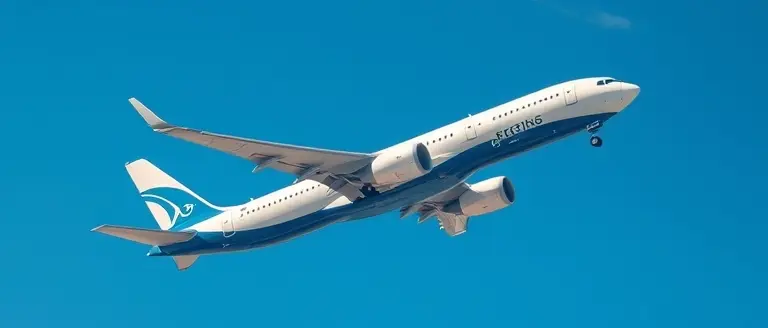
On May 21, 2026, a routine international departure turned into a major security incident when United Airlines Flight 1551, traveling from Newark Liberty International Airport (EWR) to Guatemala City, was forced to execute an emergency diversion. The flight was diverted to Washington Dulles International Airport (IAD) following reports of a severe mid-air disturbance. According to official accounts and confirmed flight data, the disruption was catalyzed by an unruly passenger who allegedly attempted to gain access to the cockpit or open the cabin door while the aircraft was cruising at an altitude of approximately 36,000 feet.
Timeline of the Incident and Safety Response
The sequence of events unfolded rapidly once the cockpit crew was alerted to the cabin disturbance. Based on the reports provided by sources such as NBC News and WJLA, the incident involved not only the attempted breach of cabin security but also alleged physical assaults against fellow passengers. To ensure the safety of all individuals on board, the flight crew initiated an emergency landing protocol, prioritizing the fastest possible transition to a secure facility. The following points summarize the impact of the Newark to Guatemala plane diversion:
- Emergency Rerouting: The decision to divert to IAD allowed law enforcement and aviation security teams to meet the aircraft immediately upon touchdown, ensuring the suspect was detained without further risk to the public.
- Safety Protocols: While the situation caused significant alarm, the aircraft remained under the complete control of the flight crew throughout the event, and the integrity of the cabin pressure remained intact.
- Operational Consequences: The diversion caused substantial delays for the remaining passengers, highlighting the logistical complexities airlines face when an onboard threat necessitates an unscheduled landing in a secondary jurisdiction.
This incident underscores the rigorous nature of modern aviation security and the definitive actions taken by airline personnel when passenger safety is compromised. While such events are rare, they serve as a stark reminder of the zero-tolerance policies regarding interference with flight crews and the severe legal ramifications facing those who threaten the security of commercial air travel.
The Physics of Flight: Debunking the Myth of Opening a Door Mid-Air

Following the widely reported Newark to Guatemala plane diversion involving United Airlines Flight 1551, many travelers have expressed renewed concerns about the vulnerability of cabin doors at altitude. While the reports of a passenger attempting to open an exit at 36,000 feet sound terrifying, it is critical to understand the engineering reality that makes such an act physically impossible. Modern commercial aircraft are designed with “plug-type” doors, which rely on the internal pressure of the cabin to maintain a secure seal.
The Science of Cabin Pressure
At a cruising altitude of 36,000 feet, the aircraft is pressurized to maintain a cabin altitude significantly lower than the outside environment. This pressure differential creates a massive force pushing against the interior of the cabin door. Because the door is shaped like a plug—wider on the inside than the door frame—it is effectively “wedged” into the fuselage.
- Pressure Differential: At 36,000 feet, the force acting upon the door is equivalent to several thousand pounds of pressure. No human possesses the strength to overcome this force, regardless of their intent or physical stature.
- Mechanical Design: The locking mechanisms on commercial airliners are further secured by electronic and mechanical overrides that prevent deployment while the aircraft is in flight.
- Redundancy: Even if a passenger manages to disengage the internal handle, the door cannot move outward against the high-pressure environment outside.
Addressing Passenger Anxiety
While the unruly passenger incident on the Newark-bound flight resulted in a necessary diversion to Washington Dulles, the disruption was primarily a matter of safety protocol rather than an actual structural threat to the aircraft. Aviation authorities and airlines mandate that pilots divert when a passenger poses a behavioral threat, ensuring that law enforcement can intervene promptly. Passengers should feel reassured that while mid-air altercations are distressing, the inherent physics of pressurized flight provides an unbreakable layer of security against the accidental or intentional opening of cabin doors. Understanding these engineering safeguards is a vital step in maintaining public confidence in the safety of commercial air travel.
FAA Regulations and Legal Consequences for Passenger Interference

The newark to guatemala plane diversion involving United Airlines Flight 1551 serves as a stark reminder that mid-air interference is not merely a breach of airline policy; it is a serious violation of federal law. Under current FAA zero-tolerance policies, passengers who interfere with the duties of flight crew members or threaten the safety of an aircraft face severe repercussions. Federal law strictly prohibits any action that intimidates, threatens, or assaults crew members or other travelers. When a passenger attempts to manipulate cabin hardware—such as the incident where an individual tried to open a door at 36,000 feet—they trigger a series of rigorous legal protocols that extend far beyond a simple flight removal.
Federal Penalties and Legal Exposure
Interfering with a flight crew is a felony offense under 49 U.S.C. § 46504. The legal framework surrounding these incidents is designed to deter disruptive behavior through substantial punitive measures. Consequences for such actions include:
- Substantial Civil Penalties: The FAA can levy fines reaching upwards of $37,000 per violation, with multiple violations often being stacked depending on the severity of the passenger’s conduct.
- Criminal Incarceration: Beyond administrative fines, offenders are frequently handed over to federal law enforcement upon landing. Convictions for interfering with flight crew operations can result in long-term imprisonment in federal facilities.
- Lifetime Flight Bans: Most major carriers maintain an internal database of unruly passengers, effectively barring the offender from future travel on their fleet, which can severely impact an individual’s ability to travel domestically or internationally.
- Restitution: Airlines may seek legal action to recover the massive operational costs associated with emergency diversions, including fuel, airport fees, and passenger compensation.
These regulations emphasize that the safety of the flight deck and cabin is a non-negotiable federal priority. Passengers are cautioned that there is no “middle ground” when it comes to threatening behaviors. The legal consequences for passenger interference are designed to be swift and permanent, serving as both a deterrent and a measure of justice for the fellow travelers and crew impacted by the disruption.
Passenger Rights and Safety: What Happens During a Diversion?
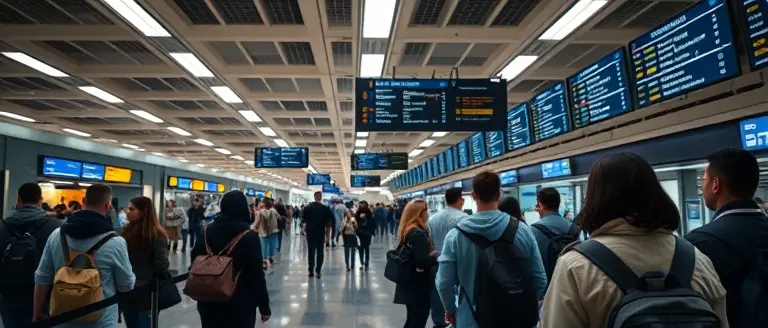
When a newark to guatemala plane diversion occurs due to an in-flight security threat, the primary objective of the flight crew is the immediate containment of the situation and the safe landing of the aircraft. For passengers on board, understanding the protocol is essential for personal safety and reducing anxiety. During a diversion caused by an unruly passenger, the flight deck crew follows strict FAA-mandated security checklists. Passengers should remain in their seats, keep seatbelts fastened, and follow all cabin crew instructions immediately, as these directives are designed to isolate the threat and prepare the cabin for an emergency arrival at an alternate airport, such as Dulles (IAD).
Navigating Airline Rebooking and Passenger Protections
Following an emergency diversion, the disruption to travel plans can be significant. Under United States Department of Transportation (DOT) guidelines, when a flight is diverted for safety or security reasons, airlines are generally not required to offer cash compensation for the delay, as these events are typically classified as outside the carrier’s control. However, passengers are entitled to:
- Timely Communication: Airlines must provide status updates via mobile apps, email, or airport signage.
- Rebooking Assistance: Carriers are obligated to rebook passengers on the next available flight to the final destination at no additional cost.
- Care and Amenities: Depending on the duration of the delay at the diversion airport, airlines should provide vouchers for meals and, in the event of an overnight delay, lodging and ground transportation.
How to Respond to Cabin Disruptions
Witnessing a mid-air disruption can be distressing. If you find yourself in the vicinity of an unruly passenger, prioritize your safety by avoiding direct confrontation unless requested to assist by the flight crew. Documenting the event should only be done if it does not put you or others at further risk. Report the behavior to a flight attendant discreetly; they are trained in conflict de-escalation and hold the legal authority to restrain individuals who pose a threat to the safety of the flight. By remaining calm and cooperative, you assist the crew in maintaining control of the cabin, which is the most critical factor in ensuring a safe diversion and eventual arrival at your destination.
Regain Your Calm and Focus at 36,000 Feet
While the technical realities of aviation security ensure that your aircraft remains a fortress even during disruptive incidents, the human element—the sheer anxiety and sensory overload of a mid-air emergency—is a burden you shouldn’t have to carry alone. Understanding that your safety is protected by robust engineering is only half the battle; managing your own physiological response to the unpredictability of travel is equally vital.
You cannot always predict the behavior of others or prevent unexpected flight diversions, but you can certainly control your internal environment. When the cabin becomes a source of stress and mental fog, you need a reliable way to maintain cognitive clarity and sensory balance. This is where your personal resilience becomes your greatest asset against the chaos of modern air travel.
Audifort is designed specifically for the discerning traveler who values mental sharpness and auditory wellness. By supporting your cognitive health and helping you navigate high-stress environments with composure, Audifort ensures that you remain focused and alert, regardless of what is happening in the rows around you. Don’t let the fatigue of travel diminish your focus; prioritize your clarity before your next takeoff.
 Support your mental resilience and sensory health during your next journey with Audifort.Protect My Focus and Clarity Now!