

The 2026 Western Conference Finals have reached a boiling point. With the Vegas Golden Knights holding a 1-0 series lead following their clinical 4-2 victory in Game 1, the Colorado Avalanche find themselves at a crossroads tonight in Denver. The overarching narrative isn’t just about the score—it is about the profound tactical void left by the continued absence of star defenseman Cale Makar. Without their anchor on the blue line, Colorado’s defensive structure has been forced into a high-stakes improvisation, while Vegas has masterfully exploited these gaps, proving once again that they are far more than just the ‘overlooked’ underdogs they were labeled as entering the post-season.
For fans and analysts alike, the speed of this series demands a level of intense, real-time tactical observation. As we head into Game 2, the question is no longer just about who can score, but who can maintain the cognitive endurance to out-think the opponent under immense pressure. Whether you are dissecting defensive rotations or tracking goaltender save percentages, the ability to process rapid-fire strategic adjustments is what separates the casual observer from the true student of the game.
Game 2 Outlook: Colorado’s Critical Stand After Vegas’ Game 1 Victory

The 2026 NHL Western Conference Finals shifted into high gear following a statement performance by the Vegas Golden Knights in the series opener. Vegas secured a hard-fought 4-2 victory on May 20, effectively silencing the home crowd and establishing an early 1-0 series lead. The defining narrative of that contest was the exceptional goaltending of Carter Hart, who turned aside 36 shots to thwart Colorado’s offensive pressure. As the series moves into Game 2 tonight in Denver, the pressure has mounted significantly for the Colorado Avalanche, who find themselves in a precarious position against a Vegas squad that is defying the “underdog” label.
Tactical Challenges and the Makar Void
The most glaring issue for Colorado remains the continued absence of star defenseman Cale Makar. Without their primary transition driver and power-play architect, the Avalanche have struggled to find fluidity in their puck movement. Tactical analysis of Game 1 suggests that Vegas capitalized on this defensive fragility, clogging neutral zones and forcing Colorado into low-percentage perimeter shots. For the Avalanche to force a 1-1 series tie before the action shifts to Las Vegas for Games 3 and 4, they must address several key areas:
- Zone Exits: Colorado’s inability to cleanly exit the defensive zone without Makar resulted in extended shifts and fatigue for their top-six forwards.
- Goaltender Support: While the Avalanche need more from their secondary scorers, the defense must limit high-danger scoring chances to protect their own netminder.
- Special Teams Efficiency: Capitalizing on power-play opportunities is non-negotiable for Colorado if they hope to dismantle the defensive structure that Vegas implemented in the opener.
The atmosphere in Denver tonight will be electric, as the Avalanche must prove they can neutralize the Golden Knights vs Avalanche tactical edge that Vegas exploited in Game 1. If Colorado fails to secure a victory on home ice tonight, they face the daunting task of entering the hostile environment of T-Mobile Arena down 0-2, a deficit that has historically spelled doom for even the most elite championship contenders.
The Makar Effect: Defensive Fragility in the Avalanche Blueline

The absence of star defenseman Cale Makar has left a gaping void in the Colorado Avalanche defensive structure, a reality that became painfully evident during Game 1 of the golden knights vs avalanche Western Conference Finals. Makar is not merely a defender; he is the engine of the Avalanche’s transition game and the primary escape valve under forechecking pressure. Without his elite skating and vision, Colorado’s blueline has struggled to facilitate clean zone exits, frequently turning the puck over in high-danger areas. In Game 1, this defensive fragility allowed the Vegas Golden Knights to capitalize on repeated odd-man rushes, effectively suffocating the Avalanche’s ability to establish sustained offensive zone time.
Tactical Exploits and Defensive Lapses
The Vegas Golden Knights have strategically exploited this gap by deploying an aggressive, high-pressure forecheck that forces Colorado’s remaining defenders to make hurried decisions. Because the Avalanche blueline lacks the poise and puck-moving mastery that Makar provides, the defensive pairing rotations have appeared disorganized. Specifically, the team has struggled with:
- Neutral Zone Gaps: Without Makar’s ability to close space rapidly, Colorado is allowing Vegas attackers far too much room to maneuver, leading to a high volume of dangerous shots.
- Transition Failures: The inability to connect on stretch passes has stifled the Colorado counter-attack, forcing forwards to track back deeper than usual to assist in breakouts.
- Slot Vulnerability: Defensive coverage in front of their own net has been inconsistent, as defenders are often caught out of position while scrambling to compensate for failed puck retrievals.
To survive the remainder of this series, Coach Bednar must implement structural adjustments, likely shifting to a more conservative “bend-but-don’t-break” defensive shell. Relying on a collapsed defensive posture may minimize the quality of Vegas’s chances, but it necessitates an extraordinary effort from the goaltending core and a newfound reliance on a simplified, chip-and-chase offensive approach to limit turnovers. Unless Colorado can stabilize its defensive zone coverage, the Golden Knights are well-positioned to continue exploiting these systemic weaknesses as the series shifts deeper into this high-stakes confrontation.
Vegas Golden Knights: Tactical Precision and Series Momentum

The Vegas Golden Knights vs avalanche series has taken a definitive turn toward the visitors following a masterclass in tactical discipline during Game 1. Vegas secured their 4-2 victory by implementing a high-pressure neutral zone trap that consistently stifled Colorado’s transition game. By prioritizing puck possession and limiting unforced turnovers, the Golden Knights prevented the Avalanche from establishing the sustained offensive zone time that typically characterizes their home-ice advantage. This methodical approach forced Colorado into perimeter shooting, allowing goaltender Carter Hart to navigate high-danger chances with notable composure, evidenced by his impressive 36-save performance.
Tactical Neutralization of Top-Line Threats
A significant factor in Vegas’s current momentum is their ability to neutralize elite scoring threats through aggressive, man-to-man defensive coverage. With Cale Makar confirmed out for Game 2, the Avalanche lack the primary catalyst for their transition offense, and Vegas has capitalized by pressuring Colorado’s secondary defensive pairings. Key tactical indicators from the series opener include:
- Puck Management: Vegas maintained a disciplined structure, prioritizing clean zone exits over risky cross-ice passes.
- Neutral Zone Congestion: The Golden Knights forced Colorado to dump the puck rather than enter with control, nullifying the Avalanche’s superior team speed.
- Goaltending Stability: Hart’s ability to limit rebounds reduced second-chance opportunities, a critical vulnerability for teams missing their primary anchor on the blue line.
The Golden Knights have successfully cultivated a tactical identity that makes them exceptionally difficult to adjust against. By cycling the puck deep and maintaining a “defense-first” mentality, they force opponents to work exponentially harder for every shot attempt. As the series moves forward, the Colorado coaching staff faces the daunting challenge of generating offense without their star defenseman, while Vegas continues to demonstrate that their playoff success is built on a resilient, system-based foundation rather than individual reliance.
Series Projections: Mapping the Path to the Stanley Cup Final
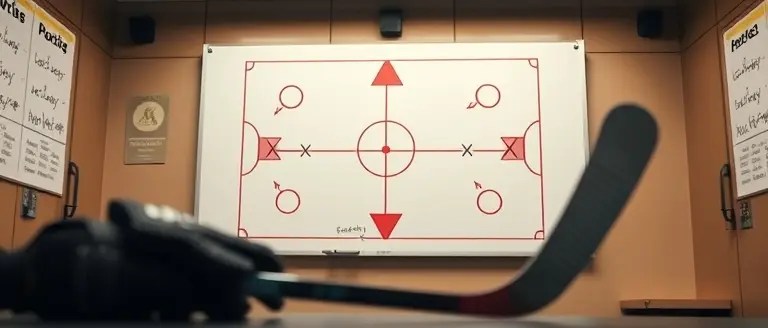
As the golden knights vs avalanche series shifts into a pivotal Game 2, the tactical landscape remains heavily influenced by the absence of Colorado’s star defenseman, Cale Makar. Data from Game 1 highlights the immense pressure placed on the remaining Avalanche defensive core, as Vegas capitalized on transition opportunities to secure a 4-2 victory. Analytical projections suggest that if the Golden Knights secure a 2-0 series lead heading into Las Vegas, their probability of advancing to the Stanley Cup Final increases significantly. A 2-0 deficit would force Colorado into a high-risk, aggressive posture, which historically plays into the hands of a disciplined Vegas transition game and the elite, high-volume performance of Carter Hart, who anchored Game 1 with 36 critical saves.
Key Variables Shaping the Outcome
Predicting the remainder of the series requires evaluating several high-impact metrics that favor Vegas under current conditions:
- Goaltending Stability: Carter Hart’s current form provides Vegas with a significant statistical advantage, offering a safety net that allows their forwards to play with greater offensive freedom.
- Defensive Depth: Without Makar, Colorado is struggling to exit their zone efficiently. This defensive bottleneck will likely persist unless the Avalanche can simplify their neutral zone transition to mitigate Vegas’s aggressive forecheck.
- Momentum Shift: If Colorado manages to secure a win tonight and force a 1-1 tie, the series pressure effectively resets. However, the travel fatigue associated with moving to Las Vegas for Games 3 and 4 provides the Golden Knights a marginal “home-ice” advantage in terms of rest and crowd momentum.
Ultimately, evidence suggests that if Colorado cannot find a way to neutralize the Golden Knights’ top-six scoring depth in the next 48 hours, Vegas is positioned to dictate the pace of this series through a suffocating defensive structure. Conversely, a victory tonight for the Avalanche would necessitate a complete tactical pivot, likely requiring more physical engagement and a more conservative puck-management approach to account for their depleted blue line.
Mastering the Mental Game of the Stanley Cup Playoffs
As the series shifts gears, the battle between the Golden Knights and the Avalanche remains a testament to how crucial mental clarity is at the elite level. Just as the Colorado roster must sharpen their focus to survive the absence of their star, and the Knights must maintain their tactical discipline to protect their lead, your own ability to process complex data is the key to mastering the nuances of this series.
High-level sports analysis is an endurance sport of the mind. To keep up with the evolving shifts and rapid-fire strategies of the NHL playoffs, you need your cognitive functions firing at their absolute peak. This is exactly where The Brain Song becomes an essential tool for the dedicated sports fan. By mirroring the cognitive readiness used by the pros to navigate high-pressure environments, this program provides the mental sharpness and focus required to decode every strategic pivot on the ice.
Don’t let the intensity of the post-season cloud your analytical edge. Elevate your performance to match the speed of the game and ensure you never miss a beat as the narrative unfolds in real-time. By sharpening your focus and cognitive endurance, you gain a front-row seat to the intellectual chess match occurring between Vegas and Colorado.
 Optimize your own cognitive game for the next period; click here to start your 12-minute mental focus routine.Yes, I Want To Sharpen My Focus Now!