
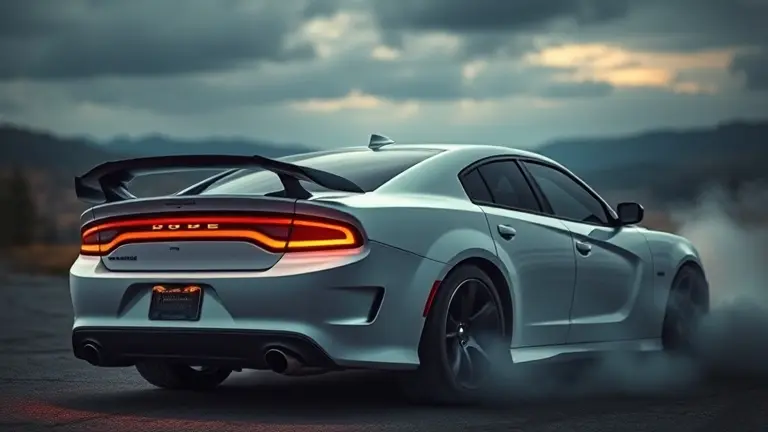
When Dodge pulled the veil off the latest Dodge Charger SRT refresh during the Stellantis FaSTLAne 2030 investor presentation, the automotive world collectively caught its breath. The design is a bold, unapologetic callback to an era when performance was defined by raw, visual aggression—most notably featuring a rear wing that immediately evokes the legendary Plymouth Superbird. Beyond the nostalgia, these design cues signal a transformative shift in the Stellantis roadmap, blending high-octane heritage with the cutting-edge requirements of the next decade. The pronounced hood scoop and piercing amber LED running lights aren’t just aesthetic flourishes; they are clear indicators that Dodge is doubling down on its identity as the standard-bearer for American performance.
For the enthusiast, this refresh represents a compelling intersection of engineering audacity and strategic evolution. As we analyze the aggressive stance of this new SRT variant, it becomes clear that Dodge isn’t just launching a car; they are crafting a statement piece for the modern collector and driver alike. This isn’t merely a facelift; it is a calculated effort to define the future of high-performance vehicles, setting the stage for anticipated projects like the ‘Copperhead’ sports car and the return of the ‘GLH’ badging. Understanding the ‘why’ behind this design language allows us to appreciate the precision engineering that continues to drive the heartbeat of the brand.
The Stellantis ‘FaSTLAne 2030’ Pivot: A New Era for the Charger
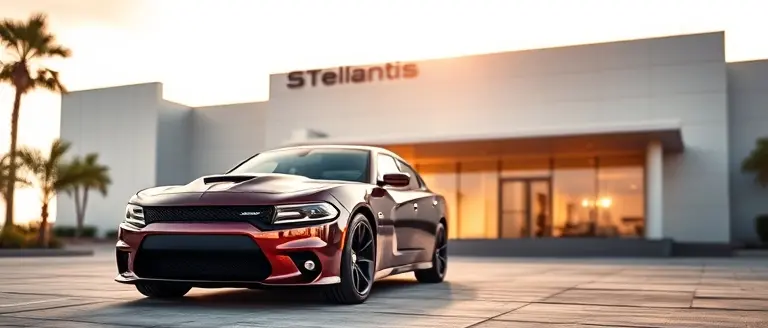
The announcement of the Stellantis ‘FaSTLAne 2030’ strategic plan on May 21, 2026, marks a seismic shift for the automotive giant, positioning the dodge charger srt refresh not merely as an aesthetic update, but as the high-performance cornerstone of a $70 billion turnaround effort. This ambitious roadmap aims to revitalize the North American portfolio through the aggressive launch of 11 new models and 12 significant refreshes by the end of the decade. By placing a flagship performance vehicle like the refreshed Charger at the forefront of this strategy, Stellantis is signaling a commitment to maintaining its muscle car heritage even as the industry pivots toward complex electrification and digital integration.
This strategic pivot relies on a multi-pronged approach to capture both legacy enthusiasts and modern buyers. The Charger SRT, with its striking aerodynamic upgrades and nostalgic design cues, serves as a “halo” vehicle, effectively bridging the gap between historical reverence and future innovation. The broader FaSTLAne 2030 lineup is designed to leverage this performance equity across various segments, creating a cohesive brand identity that emphasizes power, agility, and aggressive styling.
Key takeaways from the Stellantis roadmap include:
- Performance-First Design: The Charger SRT refresh utilizes race-inspired aerodynamics—such as the prominent Superbird-style rear wing—to establish a new visual benchmark for the Dodge brand.
- Investment Scale: The $70 billion allocation is specifically earmarked to stabilize supply chains and accelerate the production of high-demand performance variants.
- Brand Diversification: Beyond the Charger, the inclusion of the ‘Copperhead’ SRT and ‘GLH’ hot hatch suggests a granular market strategy, targeting different tiers of the enthusiast demographic.
- Modernized Engineering: The refresh integrates updated powertrain technology designed to meet future emissions mandates without sacrificing the raw, high-output power expected of the SRT badge.
By prioritizing this design-led refresh, Dodge is effectively securing its position as the performance anchor of the Stellantis family. Evidence suggests that this focus on “halo” marketing is intended to sustain consumer interest while the brand rolls out its secondary tier of refreshed models, ensuring that Dodge remains at the top of the automotive conversation throughout the remainder of the decade.
Design Deep Dive: The Return of the Superbird Wing
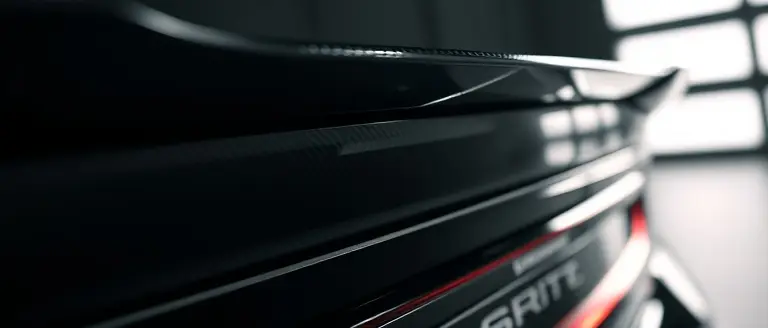
The dodge charger srt refresh unveiled during the Stellantis ‘FaSTLAne 2030’ presentation marks a bold reclamation of Mopar heritage. Most striking is the high-mounted rear wing, an unmistakable homage to the iconic Plymouth Superbird of the 1970s. This aerodynamic feature is not merely a stylistic flourish; it serves as the visual centerpiece of the new halo vehicle, signaling a pivot back to aggressive, performance-oriented design language. By integrating such a recognizable silhouette, Dodge is successfully weaponizing nostalgia to capture the attention of enthusiasts while simultaneously signaling that the brand’s future performance trajectory remains rooted in uncompromising, high-impact aesthetics.
Beyond the rear aero, the refresh incorporates several functional and stylistic upgrades that refine the Charger’s presence:
- Aggressive Hood Scoop: The redesigned intake is wider and more deeply sculpted, designed to optimize airflow to the powertrain, supporting the high-output cooling requirements expected of the SRT badge.
- Signature Amber LED Lighting: The move to distinct amber running lights breaks away from industry-standard cool white, lending the vehicle a menacing, “night-stalker” aesthetic that recalls the vintage rally-car looks of mid-century performance models.
- Modern Aero-Integration: While the wing draws inspiration from the past, the supporting bodywork utilizes contemporary computational fluid dynamics (CFD) to ensure the vehicle remains stable at high speeds, bridging the gap between retro charm and modern aerodynamics.
This synthesis of heritage and high-tech engineering suggests that Dodge is positioning the Charger SRT refresh as a cornerstone of its $70 billion turnaround strategy. By pairing the Superbird-style wing with modernized lighting and an enhanced intake, the design team has managed to modernize the Charger’s identity without losing the raw, muscular appeal that defined the brand for decades. As Stellantis moves toward its 2030 goals, this vehicle stands as a clear statement that the future of the Charger will prioritize visceral performance and striking, heritage-inspired design.
Performance Speculation: Pushing the Boundaries of the SRT Lineage
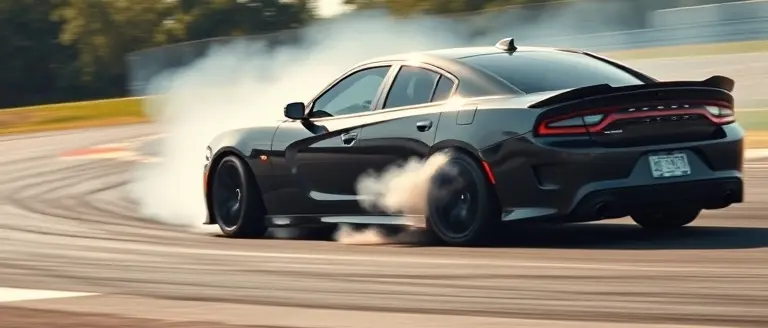
The dodge charger srt refresh signals a pivotal moment for Stellantis, blending the raw, visceral appeal of the muscle car era with the sophisticated demands of the Stellantis FaSTLAne 2030 roadmap. While official horsepower figures remain under wraps, enthusiasts anticipate that the new platform will push the boundaries of what is possible in a production vehicle. Given the lineage of the Charger, speculation suggests that Dodge is targeting a multi-powertrain strategy. This likely involves a high-output internal combustion engine—potentially a refined, twin-turbocharged variant of the Hurricane straight-six—paired with hybrid-electric assistance to maximize torque off the line while meeting increasingly stringent emissions standards.
Engineering the Next-Generation Halo Car
To maintain the muscle car identity that defines the brand, the engineering team faces the challenge of balancing weight with massive power output. Achieving the performance benchmarks expected of an SRT-badged vehicle requires more than just raw speed; it necessitates aerodynamic efficiency, which explains the inclusion of the iconic, Superbird-inspired rear wing. Key technical expectations for the 2026 Dodge Charger SRT specs include:
- Integrated Hybrid Assist: Utilizing electric motor torque to eliminate turbo lag, providing an immediate surge of power synonymous with classic V8 performance.
- Advanced Aerodynamics: The prominent wing and enhanced hood scoop serve a dual purpose, increasing downforce for high-speed stability and optimizing cooling for the high-performance powertrain.
- Adaptive Drive Modes: Leveraging software-defined vehicle capabilities to allow drivers to toggle between aggressive track profiles and street-legal efficiency.
By integrating these technologies, Dodge aims to bridge the gap between legacy performance and a sustainable future. The brand is clearly positioning this refresh not merely as a styling exercise, but as a technological flagship that ensures the SRT moniker remains relevant in the electrification age. As development moves toward full production, the industry is watching closely to see if this design philosophy successfully preserves the soul of American performance while navigating the complexities of modern automotive regulation.
Beyond the Charger: The Future of the Stellantis Performance Portfolio

The dodge charger srt refresh serves as the spearhead of a much broader industrial pivot outlined in the Stellantis FaSTLAne 2030 strategic plan. While the Charger grabs headlines with its aggressive, Superbird-inspired aero, it acts as a “halo” vehicle meant to re-establish the brand’s performance dominance while paving the way for a more diverse, high-performance lineup. By leveraging shared modular platforms, Dodge is positioning itself to capture both the traditional muscle car enthusiast and a new generation of performance buyers who demand agility alongside raw power.
A Diversified Performance Roadmap
Dodge’s future hinges on its ability to bridge the gap between heavy-hitting muscle and segment-disrupting compacts. The upcoming Copperhead SRT sports car is expected to challenge established European and Japanese roadsters, likely focusing on power-to-weight ratios and precision handling. Simultaneously, the revival of the GLH (Goes Like Hell) badge for a new hot hatch signals an aggressive entry into the performance-compact market, a segment where Dodge has been absent for years.
Key components of this portfolio expansion include:
- Platform Flexibility: Transitioning toward scalable, multi-energy platforms that allow for both high-output internal combustion engines and high-performance hybrid setups.
- Strategic Collectibility: By utilizing limited-run design elements—like the Charger’s prominent rear wing—Stellantis is clearly aiming to bolster the long-term collector value of these new vehicles.
- Technical Synergy: Knowledge gained from the Charger’s development, particularly in thermal management and aerodynamic efficiency, will be directly applied to the Copperhead and GLH programs.
For enthusiasts, these developments suggest a future where the brand is no longer defined solely by straight-line speed. As part of the $70 billion turnaround, these vehicles are designed to ensure that Dodge maintains high brand equity while navigating stricter emissions landscapes. If the Charger is any indication, the upcoming portfolio will prioritize visual drama and driver engagement, ensuring that the legacy of the SRT brand survives the transition into the next decade.
Mastering the Craft of Precision Engineering
The Dodge Charger SRT refresh is more than just sheet metal and aerodynamics; it is a masterclass in functional design. By revisiting the iconic Superbird wing, Dodge engineers have demonstrated that honoring the past while pushing technological boundaries is the key to capturing the imagination of enthusiasts worldwide. Whether it is the computational fluid dynamics behind that massive rear wing or the intricate lighting signatures, this vehicle is a testament to the power of precise, intentional craftsmanship.
Just as the Dodge SRT engineers obsess over the perfect dimensions and structural integrity of their new design, true craftsmanship requires both the vision and the precise, professional-grade blueprints to bring a concept to life. If you have ever felt frustrated by the lack of technical clarity in your own custom automotive or home projects, you understand that professional results require professional resources. This is exactly where Ted’s Woodworking bridges the gap between spectator and creator.
Ted’s Woodworking provides the ultimate library of professional-grade plans, ensuring that your own technical projects carry the same standard of structural mastery seen in the latest performance vehicles. It is the perfect tool for the enthusiast who values professional engineering standards and wants to replicate that level of technical precision in their own workshop, effectively turning every DIY project into a master-level build.
 Ready to bring the same level of engineering precision to your own shop? Access the world’s most comprehensive library of professional-grade plans to start your next master-level build.Yes, I Want This Now!