
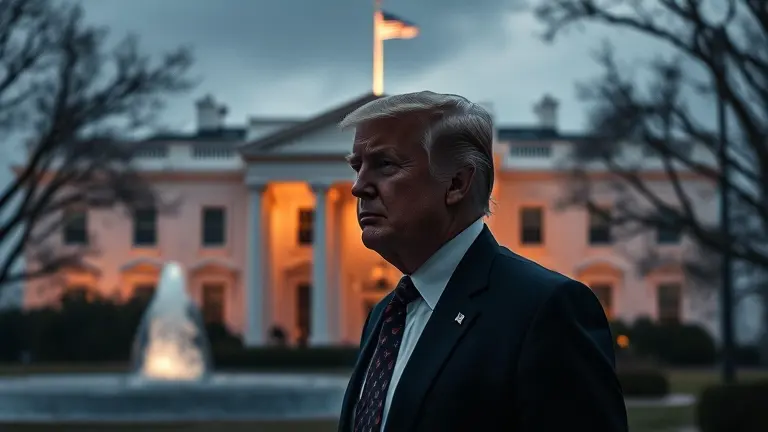
The regulatory future of American artificial intelligence is caught in a high-stakes standoff. As of May 2026, the tech industry remains on high alert following reports that the Trump administration is weighing a pivotal executive order concerning White House AI model oversight. Initially anticipated as a strict mandate requiring developers to submit frontier models for security testing up to 90 days before release, the order has hit a sudden, intense period of debate. Reports now suggest a potential postponement, as internal factions grapple with the existential risk of stifling innovation through heavy-handed regulation versus the urgent necessity of securing advanced AI frameworks.
For stakeholders—from silicon-valley executives to Washington policy wonks—this volatility is more than just a policy shift; it is a signal of a deepening divide over the future of national competitiveness. Understanding the nuance between proposed voluntary guidelines and mandatory disclosure requirements is no longer an optional skill; it is a prerequisite for survival in a sector defined by rapid acceleration. Navigating this dense, shifting landscape requires more than just industry knowledge—it demands unparalleled cognitive stamina and the ability to synthesize complex, contradictory signals in real time.
The Status of White House AI Oversight: A Timeline of Shifting Policy

As of May 21, 2026, the landscape regarding White House AI model oversight remains in a state of significant flux. Initially, reports surfaced indicating that the administration was preparing a robust executive order aimed at securing the nation’s technological infrastructure. The core of this proposed initiative focused on frontier AI models, requiring major AI labs to subject their most advanced systems to rigorous security testing. Under the initial framework, companies would have been mandated to provide disclosures up to 90 days before the commercial release of any model meeting specific compute-threshold definitions. This strategy was designed to mitigate emerging cybersecurity risks and ensure that high-stakes AI developments do not outpace safety protocols.
However, the trajectory of this policy shifted abruptly this week. Recent reports suggest that the signing of the executive order has been delayed, if not stalled, due to intense internal debates within the administration. The central tension pits the urgency of national security against growing concerns regarding overregulation and its potential to stifle American competitiveness in the global tech sector. Critics of the draft order argue that such stringent disclosure requirements could impede the rapid pace of innovation necessary to compete with international rivals.
Current Points of Contention
The ongoing debate reflects the difficulty of balancing public safety with industry growth. Key factors influencing the current delay include:
- Voluntary vs. Mandatory Frameworks: Stakeholders are actively debating whether a voluntary pre-screening system would be more effective than a hard-coded mandate, which many industry leaders fear could create unnecessary bureaucratic hurdles.
- Definition of ‘Frontier’ AI: Lawmakers and tech experts are struggling to finalize a legal definition for the types of models subject to oversight, fearing that overly broad language could inadvertently impact smaller, lower-risk research initiatives.
- Market Sensitivity: The anticipation of this policy has already triggered volatility in major tech stocks. Investors are watching closely to see if the administration will opt for a collaborative approach or a strict regulatory posture that could affect future valuations for leading firms like Google, Microsoft, and xAI.
As it stands, the White House AI model oversight policy is not finalized. Observers should view the current status as a dynamic development, with the administration likely seeking a middle ground that addresses cybersecurity threats without triggering a cooling effect on the domestic artificial intelligence ecosystem.
National Security vs. Innovation: The Core Regulatory Tug-of-War

The current discourse surrounding White House AI model oversight reflects a high-stakes standoff between the imperatives of national defense and the desire to maintain American technological hegemony. At the center of this debate is the administration’s proposed executive order, which aims to mitigate risks associated with the proliferation of frontier AI models. Policymakers are concerned that unchecked advancements in generative AI could provide adversaries with capabilities for biological weapons development or advanced cyberattacks. Consequently, the push for mandatory security testing and a 90-day pre-release disclosure timeline represents an effort to establish a “safety-first” framework before these tools reach the public domain.
However, major players in the technology sector have expressed significant alarm regarding these potential requirements. Industry leaders argue that the current regulatory trajectory risks “overregulation,” which could inadvertently stifle the rapid pace of innovation necessary to outcompete international rivals, particularly in the race for Artificial General Intelligence (AGI). The primary tension points currently being debated include:
- The Burden of Compliance: AI labs argue that a 90-day review window could render products obsolete before they ever reach the market, potentially shifting top-tier development to more permissive international jurisdictions.
- The Definition of Frontier Models: There is no consensus on what technical threshold triggers oversight, creating uncertainty for startups and established tech giants alike.
- Voluntary vs. Mandatory Dynamics: While the administration has toyed with “voluntary” reporting, industry advocates worry this could evolve into a de facto mandate that increases operational costs and decreases agility.
Ultimately, the postponement of the executive order suggests that the administration is struggling to balance these conflicting interests. As internal debates continue, the tech sector remains in a state of cautious anticipation, waiting to see if federal policy will lean toward a restrictive, precautionary model or a lighter-touch approach that emphasizes sector-led safety standards. Ensuring that white house ai model oversight does not inadvertently handicap the domestic sector remains the ultimate challenge for policymakers in this evolving legislative cycle.
Industry Response: How Tech Leaders Are Navigating Policy Uncertainty

The tech sector’s reaction to the proposed White House AI model oversight framework has been one of calculated concern. As reports circulate regarding a potential 90-day pre-release disclosure requirement, industry giants—including leaders from xAI, Microsoft, and Google—have ramped up lobbying efforts to voice apprehension. The core of the industry’s anxiety rests on the fear that rigid, government-mandated testing could stifle the rapid iteration cycles essential to the current AI arms race. By forcing labs to freeze models for extended security audits, stakeholders argue that the U.S. risks falling behind international competitors who may not be subject to such stringent regulatory hurdles.
Prioritizing Collaboration Over Mandates
Rather than accepting a top-down regulatory structure, many AI laboratories are advocating for a collaborative safety standard. Industry leaders contend that they are best positioned to identify security vulnerabilities within their own complex neural architectures. Their arguments against a one-size-fits-all oversight model typically focus on the following pillars:
- Agility vs. Stagnation: The 90-day window is viewed by many as an “innovation tax,” potentially rendering a model obsolete before it even reaches the market.
- Defining “Frontier” Models: There is significant pushback against broad definitions of what constitutes a “frontier” model, as companies fear that foundational research projects could be swept into unnecessary regulatory layers.
- Proprietary Security: Concerns persist that forced disclosures could expose trade secrets or sensitive weight data to government entities, creating new cybersecurity risks.
While the Trump administration’s recent signal of a potential postponement provides a temporary reprieve, the tension remains palpable. Tech executives are currently navigating this policy uncertainty by emphasizing their own robust, internal safety-testing protocols. The consensus among these firms is that while national security is a valid priority, the most effective oversight will come from sector-specific frameworks designed in partnership with engineers, rather than unilateral administrative directives. As the administration debates the scope of the order, industry players continue to position themselves as partners in national safety rather than subjects of state-controlled testing mandates.
Future Outlook: What to Watch as the Draft Evolves

As the situation surrounding White House AI model oversight remains fluid, stakeholders and industry observers should prepare for a period of ongoing volatility. The current delay in the executive order signals a significant internal push-pull within the administration, where the desire to bolster national security through robust cybersecurity protocols is being weighed against the risk of stifling American competitiveness. Because the draft status is not yet finalized, the policy environment remains subject to rapid shifts based on lobbying efforts from major tech labs and feedback from congressional leaders.
Key Indicators for Regulatory Shifts
To navigate the coming weeks, market analysts and developers should monitor several specific indicators that will likely signal the direction of federal policy:
- Public Official Rhetoric: Watch for specific changes in terminology. If the administration begins to emphasize “voluntary compliance” over “mandatory disclosure,” it suggests that concerns regarding overregulation have successfully influenced the current draft.
- Revised Policy Language: Any upcoming leaks of the executive order draft should be scanned for the removal of the 90-day pre-release disclosure requirement. The presence or absence of this specific timeframe serves as the primary litmus test for how stringent the government intends to be regarding frontier AI models.
- Tech Sector Engagement: Pay close attention to joint statements or partnership announcements between major AI firms and the Department of Commerce. Increased industry cooperation often acts as a precursor to “soft” regulation frameworks designed to preempt federal mandates.
- Congressional Committee Hearings: Legislative debates often mirror the administrative thinking process. Testimony from AI experts before the Senate or House committees regarding the risks of advanced AI models will likely provide insight into whether the executive order will move toward a broader, more restrictive, or a more targeted, narrowly defined scope.
Investors and policymakers should view the current pause as a strategic interval rather than a permanent abandonment of oversight. The persistent interest in securing high-stakes technology against global threats ensures that some form of administrative action remains imminent, even if the final, signed version looks markedly different from initial reports.
Mastering the Complexity of Modern AI Governance
The landscape of White House AI model oversight remains in a state of flux, suspended between urgent national security mandates and the delicate balance of fostering industry innovation. For the policy analysts, tech investors, and professionals tasked with tracking these developments, the challenge lies not just in interpreting the shifting legislative drafts, but in maintaining the high-level cognitive sharpness required to synthesize such complex, rapidly evolving information without succumbing to deep-seated mental fatigue.
As the debate intensifies over what constitutes a “frontier” model and where the line between voluntary and mandatory disclosure should be drawn, your ability to remain intellectually agile is your most valuable asset. The cognitive demand of parsing dense technical and political frameworks can easily lead to “policy burnout.” This is where The Brain Song serves as an essential intellectual optimizer, specifically designed to cut through the noise and sustain the mental acuity needed for high-stakes research.
By integrating neuroscience-based support into your daily analysis, you ensure that you stay ahead of the regulatory curve while others struggle to keep pace with the shifting headlines. Equip yourself with the clarity necessary to navigate these high-stakes discussions with precision and confidence.

Optimize your cognitive performance for navigating the complexities of AI policy—experience The Brain Song today.