
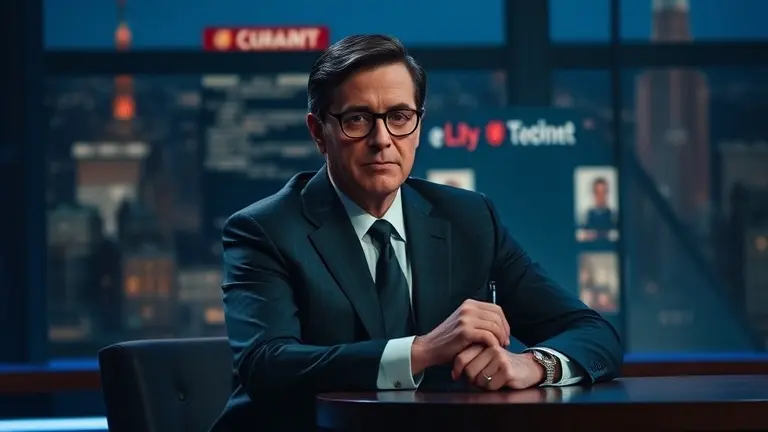
The announcement that The Late Show with Stephen Colbert will conclude on May 21, 2026—effectively retiring the historic franchise altogether—has sent shockwaves through the American cultural landscape. For decades, the late-night talk show served as a primary mirror for the nation’s political psyche, a role that became increasingly volatile under the persistent friction between the Trump administration and its hosts. However, the decision by CBS to shutter the entire brand rather than pursue a successor speaks to a much deeper structural crisis. We are witnessing the final chapter of a media institution that can no longer survive the dual pressures of intense political scrutiny and the rapid, unforgiving evolution of digital viewership.
This shift transcends a simple feud; it represents a fundamental dismantling of the broadcast comedy model that has defined American political satire since the late 20th century. As institutional platforms succumb to the twin threats of regulatory pressure and economic obsolescence, the burden of analysis falls on the audience. Understanding why late-night hosts vs. Trump administration narratives have led us to this total systemic retreat is essential for anyone tracking the future of free expression. As we stand at this turning point, it is clear that the future of media will be decentralized, more aggressive, and far more demanding of our collective attention.
The End of an Institutional Era: Why CBS Is Retiring The Late Show
The announcement that CBS will officially retire The Late Show franchise following the May 21, 2026, series finale marks a seismic shift in American broadcasting. For 33 years, this institution served as a primary platform for political discourse and cultural commentary. However, the decision to shutter the brand—rather than simply installing a new successor to Stephen Colbert—signals that the traditional late-night talk show model is facing an existential crisis. Industry analysts suggest that the ongoing late-night hosts vs trump administration friction has accelerated this decline, as the economic viability of network satire is increasingly strained by both digital audience fragmentation and direct political pressure.
Structural Shifts and Political Pressure
While daily headlines focus on the heated exchanges between late-night comedians and the White House, the retirement of the Late Show reflects a broader, systemic retreat from high-stakes political satire on traditional networks. The administration’s frequent threats regarding FCC intervention and potential regulatory oversight have created a precarious environment for media conglomerates. Key factors driving this institutional transition include:
- Network De-risking: Corporations are increasingly hesitant to host talent whose primary content revolves around anti-administration mockery, fearing retaliatory legislative or regulatory action.
- Economic Viability: With younger demographics migrating to independent streaming and long-form digital podcasts, the reliance on linear broadcast ad revenue has weakened the justification for expensive, high-production-value talk shows.
- The Content Evolution: The “Late Show” format is being outpaced by decentralized, bite-sized social media satire that carries less corporate baggage and fewer regulatory risks.
This move by CBS is not merely the end of a long-running show; it is an acknowledgment that the political and economic landscape has shifted. As the dust settles on the final broadcast, it is clear that the future of satirical commentary is moving away from centralized, network-controlled platforms toward independent, agile digital models that are better equipped to navigate the turbulent realities of modern media.
Pressure Points: The Trump Administration and the Future of Political Satire
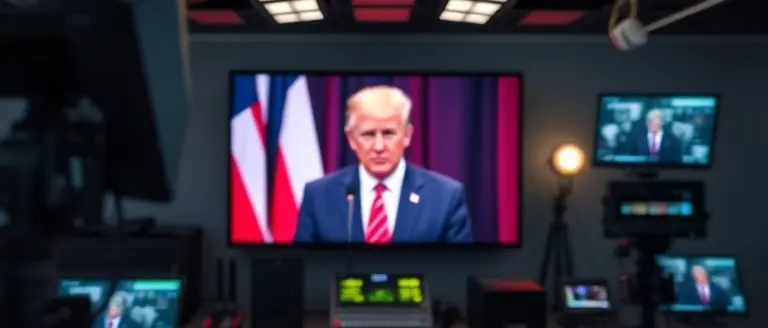
The dynamic of late-night hosts vs Trump administration has evolved from a traditional rivalry into a systemic confrontation over the boundaries of free speech and broadcasting standards. Throughout the current administration’s tenure, the discourse has shifted significantly, moving away from casual ribbing to a high-stakes struggle involving potential FCC intervention and administrative “lawfare.” Evidence suggests that the administration’s rhetoric regarding media accountability has been used as a lever to pressure major networks, creating an environment where executive risk-aversion has become a tangible threat to the longevity of late-night satire.
The Erosion of Media Insulation
For decades, late-night television operated as a protected space for political critique. However, the recent push to leverage government agencies to police broadcast content has fundamentally changed this landscape. Key concerns driving this shift include:
- Regulatory Pressure: The administration’s public threats to challenge broadcast licenses have forced network executives to recalibrate their internal editorial standards.
- Economic Consolidation: By framing comedy as “partisan warfare,” the administration has emboldened advertisers to distance themselves from hard-hitting political segments, directly impacting the revenue models that sustain these shows.
- Normalization of Censorship: By consistently labeling critical commentary as “misinformation” or “harmful bias,” the administration has successfully polarized the audience, making political satire a contentious rather than a cathartic cultural staple.
As Stephen Colbert prepares for the series finale of The Late Show, the broader entertainment industry faces a bleak reality. The transition of late-night talent to independent digital and streaming models is not merely a choice—it is a survival mechanism. Without the institutional buffer of traditional broadcast networks, which are increasingly vulnerable to federal pressure, the future of pointed, high-production political satire appears to be migrating toward decentralized platforms where direct administration influence is harder to exert. This structural realignment marks the end of an era where network television served as the primary arbiter of national political humor.
Beyond the Feud: How Economic and Political Realities Reshape Entertainment

The retirement of The Late Show by CBS marks a departure from the traditional television model that has dominated American homes for decades. While public discourse focuses on the late-night hosts vs Trump administration narrative, the structural decision to terminate the franchise entirely suggests that networks are prioritizing risk mitigation over legacy retention. The era of the “all-powerful” late-night host is waning, not only due to shifting audience habits but because the marriage of high-stakes political satire and corporate broadcasting has become an operational liability.
The Financial Drivers of Institutional Decay
Economic viability in the current media landscape is defined by the migration from linear cable to fragmented, on-demand digital platforms. CBS’s decision to retire the brand—rather than seeking a successor for Stephen Colbert—signals a belief that the “institution” of the late-night monologue is no longer a viable anchor for prime-time advertising revenue. Several key factors contribute to this consolidation:
- Declining Linear Viewership: The transition to streaming has hollowed out the daily appointment-viewing audience, making the production costs of a nightly live show difficult to justify.
- Corporate Risk Aversion: In a hyper-polarized political environment, executives are increasingly wary of talent whose public advocacy could trigger regulatory scrutiny or retaliatory actions from the federal government, such as threats of FCC intervention.
- The Volatility of Celebrity Advocacy: When late-night shows become centers of political resistance, they risk alienating significant portions of the demographic base, leading to decreased brand stability.
By closing the door on the franchise, the network effectively decouples its bottom line from the volatility inherent in modern political discourse. As the industry moves forward, we are seeing a pivot toward independent, decentralized content creation where the political risk is borne by the talent rather than the institutional broadcast network. This shift suggests that the future of satire will likely reside in subscription-based digital ecosystems, free from the constraints of corporate boardroom pressure.
The Lasting Legacy: What the Decline of Late-Night Means for American Media

The retirement of The Late Show franchise marks more than just a scheduling change; it signals a fundamental restructuring of the American media landscape. As the late-night hosts vs Trump administration dynamic reaches a symbolic conclusion with the end of this 33-year institutional legacy, the industry is grappling with the economic and political viability of traditional broadcast satire. With CBS electing to shutter the brand entirely rather than seeking a successor, the message is clear: the era of the monolithic, network-backed cultural watchdog is waning. The combination of sustained political pressure, threats of FCC intervention, and a fractured digital audience has rendered the traditional late-night model increasingly vulnerable.
The Shift Toward Decentralized Satire
As the institutional power of network television fades, the responsibility for political commentary is rapidly migrating toward decentralized platforms. Independent podcasts, Substack newsletters, and direct-to-consumer social media channels are emerging as the new frontiers for satire. This transition presents unique challenges for those looking to challenge political power:
- Loss of Gatekeeper Protection: Without the legal and financial backing of a major network, individual creators face heightened exposure to “lawfare” and targeted regulatory scrutiny.
- Algorithmic Fragmentation: Unlike the broad reach of broadcast television, digital media often operates within ideological silos, potentially limiting the impact of satire on a polarized electorate.
- Direct Monetization: Creators are shifting toward subscription-based models, which offer more autonomy but necessitate a different approach to reaching a mainstream audience.
Evidence suggests that while independent media offers more creative freedom, it lacks the centralized cultural authority that once defined the late-night hosts vs Trump administration standoff. The void left by the departure of The Late Show will likely be filled not by a single successor, but by a diffuse network of digital voices. Whether this fragmented ecosystem can exert the same level of pressure on executive power remains the central question for the future of American political discourse. As the landscape evolves, the survival of biting satire will depend on its ability to transcend echo chambers and maintain public interest without the institutional security of the traditional television model.
The Future of Satire in an Age of Cognitive Noise
The impending retirement of The Late Show and the broader retreat of institutional late-night television mark more than just the end of a 33-year broadcasting legacy. It signals a permanent tectonic shift in how we process political dissent and consume satire. As the pressure from the Trump administration forces legacy networks to consolidate, the traditional safety net of centralized, televised comedy is dissolving, leaving us to navigate a fragmented, high-stakes digital landscape. This transition demands not only a new medium for expression but a higher standard of personal intellectual rigor.
As we pivot away from traditional network powerhouses toward more demanding, independent digital models, our ability to maintain sharp focus and clear analytical thinking becomes our most valuable asset in an increasingly noisy information age. Navigating the systemic shifts in media while cutting through the performative outrage requires more than just skepticism—it requires peak cognitive performance. This is where The Brain Song becomes an essential tool for the modern, discerning observer.
By utilizing this neuroscience-based cognitive optimization routine, you can effectively clear the persistent mental fog generated by today’s high-stress media environment. Aligning your internal focus with the demands of the digital era is the only way to remain a clear-headed participant in the future of American discourse. Reclaim your clarity and sharpen your analytical edge for the content landscape ahead.
 Optimize your analytical edge and clear the mental fog of today’s complex media landscape with this 12-minute daily neuroscience-based routine.Yes, I Want to Sharpen My Focus Now!