
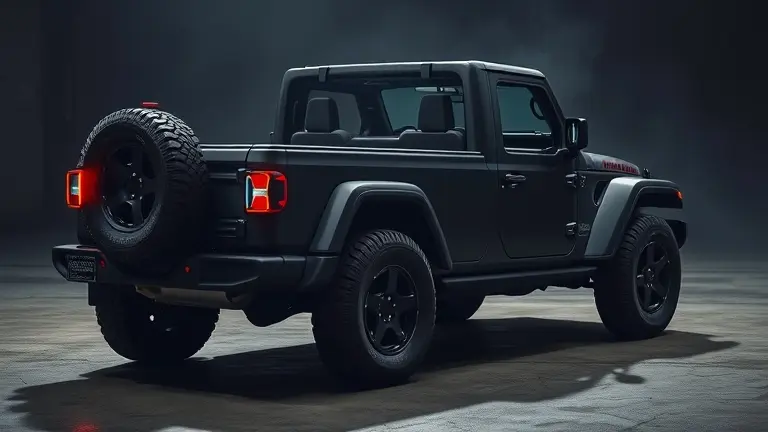
The automotive world is currently gripped by a flurry of reports regarding the development of the Jeep Wrangler Scrambler SRT, a vehicle that promises to marry the iconic ruggedness of the Wrangler with the raw power of a V8 powertrain and a provocative, short-wheelbase 2-door pickup layout. As enthusiasts dissect the implications of its reported backward-facing rear seats and potential performance specs, the industry is left wondering: is this a genuine game-changer or merely a speculative exercise in design excess? With Jeep yet to issue an official press release, the gap between enthusiast fervor and the hard reality of 2026 emission standards remains wide.
Understanding this vehicle requires moving beyond the surface-level hype to analyze the actual engineering constraints involved. Whether it is the feasibility of squeezing a high-output SRT engine into a compact chassis or the ergonomics of a rear-seat configuration that defies traditional passenger comfort standards, the Scrambler SRT is a masterclass in structural complexity. For those who view automobiles not just as transport but as puzzles of mechanical integrity, the true story of the Scrambler lies in the technical blueprints that dictate whether such a wild concept can ever transition from a render to a road-legal powerhouse.
The Jeep Wrangler Scrambler SRT: Decoding the Latest Leaks
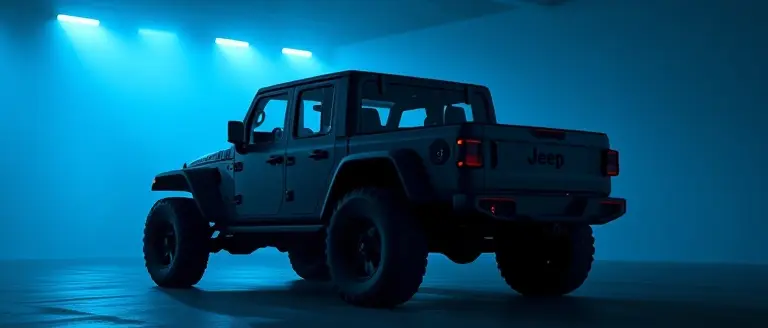
As of May 21, 2026, the automotive industry is abuzz with reports regarding the potential revival of the Jeep Wrangler Scrambler SRT. Industry analysts and enthusiast hubs, most notably The Drive and JL Wrangler Forums, have provided an exclusive, albeit unverified, preview of a new two-door pickup platform. While Jeep has yet to issue an official press release or confirm these design schematics, the specificity of the leaks—including a removable roof and a high-performance SRT engine—has commanded immediate attention from market experts.
Distinguishing Rumor from Reality
It is critical to distinguish between verified industry whispers and speculative enthusiast fervor. The current discourse centers on three major design pillars that are driving the online conversation:
- The V8 Performance Proposition: The suggestion of an SRT-badged powertrain implies a return to high-displacement performance in a compact footprint. However, observers remain cautious, as navigating 2026 emission standards with a traditional V8 remains a massive engineering hurdle for the Stellantis portfolio.
- The Backward-Facing Rear Seat Concept: Perhaps the most controversial aspect of the leak is the inclusion of rear seats that face the tailgate. While reminiscent of classic station wagons, the safety and ergonomic implications of such a configuration in a modern off-road vehicle have ignited intense debate among safety regulators and potential buyers alike.
- Market Positioning: Analysts are comparing the proposed vehicle to the Ford Maverick and Ram Rampage. If the Jeep Wrangler Scrambler SRT reaches production, it would likely serve as a halo product rather than a volume seller, effectively bridging the gap between utilitarian compact trucks and high-performance, open-air recreational vehicles.
At this stage, the credibility of these reports rests heavily on the reputation of the sources, which have historically tracked closely with internal development cycles. Enthusiasts should view these details as an insight into the design studies currently undergoing evaluation at Jeep headquarters, rather than confirmed specifications. Until a formal reveal, the “Scrambler” remains a compelling vision of how the Wrangler platform could evolve to reclaim the compact pickup segment.
Fact vs. Fiction: What We Know and What We Hope For
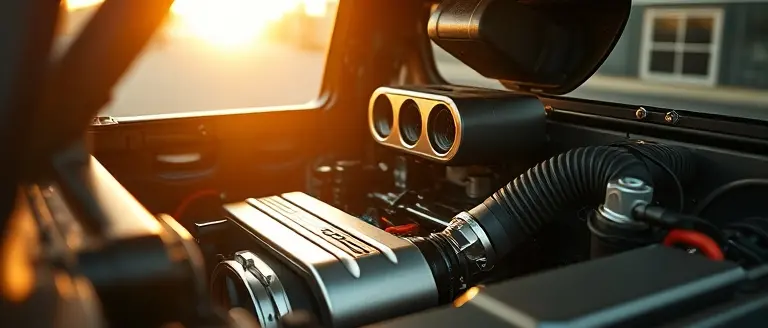
The recent industry buzz surrounding the Jeep Wrangler Scrambler SRT has ignited intense speculation, yet separating verified reports from enthusiast wish lists is essential for a realistic outlook. While reports suggest an “exclusive” preview, Jeep has yet to issue an official press release, leaving the automotive community to parse the technical feasibility of this ambitious project. The core of the excitement lies in the potential for a V8-powered 2-door pickup, a configuration that effectively marries the legendary off-road capability of the Wrangler with the utility of a truck. However, engineers face significant hurdles regarding 2026 emission standards and the structural integrity required for a high-performance SRT variant on a shortened, truck-bed platform.
Reality Check: The Engineering Hurdles
When analyzing the proposed Jeep Wrangler Scrambler SRT, enthusiasts must balance their enthusiasm with the functional realities of modern vehicle development:
- Powertrain Feasibility: Integrating a traditional V8 engine into a compact, 2-door chassis is increasingly difficult under current Stellantis emission mandates. While a high-output Hurricane inline-six might be more logical, the “SRT” branding heavily implies a Hemi-style performance ceiling.
- Chassis and Load Bearing: A removable roof implies a T-top or folding mechanism that compromises torsional rigidity. Ensuring that a performance-tuned frame can handle both serious trail-crawling and payload demands requires advanced material engineering.
- The Backward-Facing Seat Conundrum: From an ergonomic and safety standpoint, rear-facing seats are highly controversial. While they save space, they invite rigorous scrutiny from federal safety regulators regarding whiplash protection and passenger accessibility.
We hope for a production-ready Scrambler that retains the Wrangler’s iconic DNA, but we remain cautious about the radical design choices reported. Until Jeep confirms the production timeline, the Scrambler remains a tantalizing glimpse into what a performance-oriented, 2-door utility vehicle could represent for the brand’s future market positioning.
The Controversial Backward-Facing Rear Seats: An Engineering Challenge
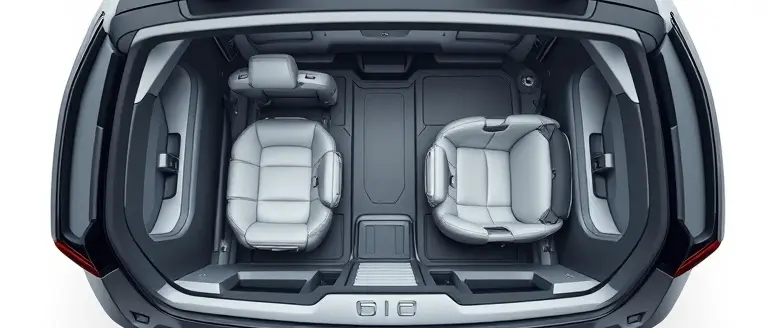
The reported inclusion of backward-facing rear seats in the upcoming Jeep Wrangler Scrambler SRT has ignited intense debate among automotive engineers and enthusiasts alike. While reminiscent of classic automotive designs, integrating this configuration into a modern, performance-oriented 2-door platform presents a monumental set of safety and regulatory hurdles. For Jeep, the primary challenge lies in meeting federal motor vehicle safety standards (FMVSS) concerning passenger restraint systems and crash impact performance. Since passengers in rear-facing seats are exposed to different physics during a frontal collision, engineers would need to develop specialized airbag systems and seat belt anchors that differ significantly from standard configurations.
Engineering Hurdles and Functional Implications
From an ergonomic standpoint, the backward-facing design poses several functional questions regarding comfort and interior utility.
- Visibility and Motion Sickness: Passengers facing the rear may experience increased susceptibility to motion sickness, particularly during off-road excursions.
- Cargo Space Constraints: To accommodate the footprint of a rear seat facing the tailgate, the Scrambler SRT would likely sacrifice a significant portion of its bed length, potentially compromising the vehicle’s utility as a compact pickup.
- Safety Certification: Achieving a high safety rating with rear-facing occupants is notoriously difficult, as the cabin structure must provide specialized energy absorption for what constitutes a “frontal” impact from the perspective of the seat occupants.
Despite these challenges, Jeep may be pursuing this unconventional layout to maximize the “open-air” experience that defines the brand. By facing the rear, passengers would enjoy an unobstructed view of the trail behind the vehicle, effectively turning the pickup bed into a viewing deck. While the Jeep Wrangler Scrambler SRT is expected to be a high-performance machine, this design choice suggests that Stellantis is prioritizing a lifestyle-focused, recreational identity that pushes the boundaries of traditional truck utility. Whether this risky configuration survives the prototype phase remains the central question for potential buyers awaiting official performance specs.
Market Positioning: Can the Scrambler SRT Challenge Stellantis Rivals?
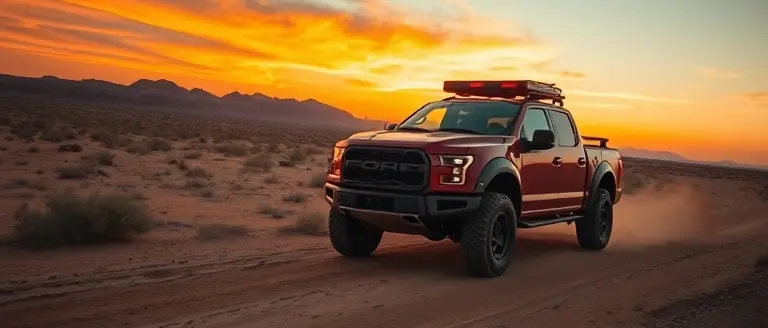
The emergence of the Jeep Wrangler Scrambler SRT represents a bold, if unconventional, strategic maneuver within the Stellantis portfolio. By targeting a specialized, high-performance segment, Jeep is attempting to carve out a niche that exists well above the utilitarian focus of the Ram Rampage or the entry-level appeal of the Ford Maverick. Unlike these unibody competitors, which emphasize fuel efficiency and urban practicality, the Scrambler SRT relies on the legendary Wrangler architecture to offer a lifestyle-oriented, off-road-first pickup. This positioning suggests that Jeep is less concerned with direct volume competition and more focused on commanding a premium price point through exclusivity and raw, V8-powered performance.
Internal Competition and Brand Identity
Integrating such a distinct vehicle into the current Jeep lineup introduces significant internal brand tension. While the Gladiator serves the traditional truck buyer, the Scrambler SRT leans into the “halo car” status, potentially cannibalizing sales from high-trim Wrangler variants while simultaneously risking brand dilution. To successfully navigate this, Jeep must emphasize the following strategic advantages:
- Performance Differentiation: By leveraging the SRT badge, the Scrambler moves beyond standard utility, appealing to enthusiasts who prioritize horsepower-to-weight ratios over bed volume.
- Segment Innovation: The rumored backward-facing rear seats suggest a design philosophy that favors “experience over logistics,” setting it apart from the purely functional nature of existing mid-size trucks.
- Off-Road Hegemony: Leveraging the proven 2-door Wrangler chassis provides a trail-readiness that the Maverick and other crossover-based trucks simply cannot replicate.
Ultimately, the viability of the Jeep Wrangler Scrambler SRT hinges on whether the modern US market desires a niche, performance-heavy pickup or a return to traditional truck values. If reports of a V8 configuration are realized, it will function as a high-margin specialty vehicle, proving that even in a market obsessed with electrification and emissions standards, there remains a profitable space for enthusiast-driven, high-octane engineering.
Mastering the Blueprint Behind the Vision
Whether the Jeep Wrangler Scrambler SRT makes it to production, the excitement surrounding it highlights a fundamental truth: great machines are built on the bedrock of meticulous planning and structural foresight. Enthusiasts and engineers alike understand that before a single piece of metal is cut or a powertrain is mounted, success is defined by the quality of the technical schematics guiding the project.
Just as an automotive engineer relies on precise schematics to ensure structural integrity in a custom build, DIY enthusiasts know that even the most ambitious projects live or die by the quality of their technical plans. This is where Ted’s Woodworking becomes an indispensable resource, offering access to over 16,000 professional, workshop-tested design blueprints that eliminate trial-and-error in technical fabrication. By studying these professional-grade designs, you move beyond mere speculation and develop the analytical mindset required to understand the complex mechanical logic behind cutting-edge vehicle concepts like the Scrambler SRT.
Transform your approach to complex projects by mastering the same precision that drives high-end automotive design. See how professional-grade blueprints turn complex design concepts into reality by exploring the full library of technical plans here.
 See how professional-grade blueprints turn complex design concepts into reality by exploring the full library of technical plans here.Get Instant Access to 16,000 Blueprints!