
In the high-stakes world of modern sports ownership, a new, unlikely blueprint has emerged from the heart of North Wales. Rob McElhenney, alongside Ryan Reynolds, has redefined the intersection of celebrity investment and community-driven sports management. While corporate-backed acquisitions in major US leagues often prioritize immediate financial yields and private-equity-driven metrics, McElhenney’s tenure at Wrexham AFC has been defined by something remarkably different: infrastructure-first development. From the ongoing, ambitious construction of the new Kop Stand to the tangible restoration of the Racecourse Ground, his model is less about corporate extraction and more about building a permanent foundation for a community that had been left behind.
As global observers—including heavyweights in the NFL space—turn their eyes toward this unlikely success story, the fascination has shifted from the novelty of Hollywood ownership to the technical reality of its execution. Critics and analysts are finally asking the deeper question: what happens when a sports team is managed like a long-term architectural project rather than a liquid asset? As we move through 2026, the ‘Wrexham Model’ is proving that meticulous, detail-oriented planning is not just a sporting strategy—it is a lesson in how to build something that lasts.
The Wrexham Blueprint: Defining the Modern Era of Hollywood Sports Ownership
As of May 2026, Rob McElhenney has transcended his status as a mere celebrity investor, cementing his role as the architect of a new, community-centric model for sports management. While high-profile figures like Ari Emanuel and Mark Shapiro enter the NFL space through private-equity-heavy frameworks, the “Wrexham Model” remains a distinct outlier. Unlike traditional ownership groups that prioritize immediate fiscal returns for institutional investors, McElhenney’s strategy at Wrexham AFC is rooted in infrastructural longevity and deep-seated local integration. A prime example of this philosophy is the ongoing development of the Kop Stand at the Racecourse Ground, a project that demonstrates a commitment to sustainable expansion rather than speculative asset flipping.
The primary difference between McElhenney’s approach and the broader trend of Hollywood-to-sports investment lies in the philosophy of stewardship. While corporate-backed acquisitions often prioritize league-wide revenue streams, McElhenney’s tenure emphasizes the following pillars:
- Hyper-Local Engagement: Prioritizing the renovation of community assets—such as the stadium’s capacity—to ensure the club remains a fixture of the city’s identity.
- Operational Transparency: Utilizing narrative storytelling to align fan base expectations with long-term financial realities, effectively turning supporters into stakeholders in the project’s success.
- Sustainability Over Speculation: Favoring incremental growth in valuation through sporting success and venue improvement rather than aggressive, high-leverage entry into top-tier leagues.
Evidence suggests that this blueprint is becoming the standard by which all celebrity-led sports investments are measured. As traditional professional leagues experience an influx of capital from agencies and media conglomerates, the Wrexham case study provides a compelling counter-argument. McElhenney has demonstrated that by treating a club as a community anchor rather than just a portfolio piece, owners can generate significant brand equity that remains resilient to the market volatility often found in larger US franchises. This organic approach ensures that even as the landscape of international sports business shifts, the foundation built by McElhenney remains uniquely insulated.
Infrastructure as Identity: The Kop Stand Development and Community Stakes
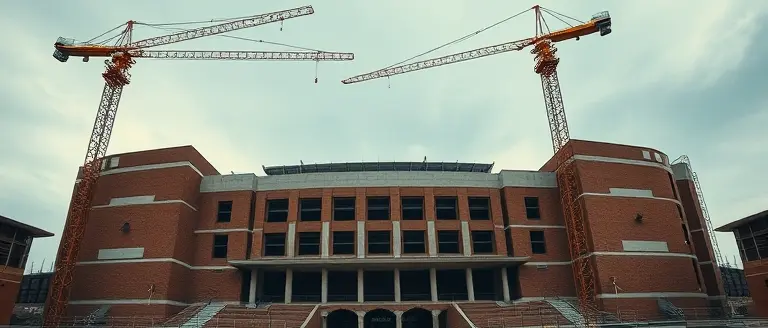
The ongoing development of the Kop Stand at the Racecourse Ground serves as the ultimate litmus test for Rob McElhenney and his vision for Wrexham AFC. Unlike many celebrity sports owners who prioritize luxury suites or rapid monetization of fan bases, McElhenney’s strategy is rooted in physical, long-term infrastructure that honors the club’s history. By focusing on the Kop Stand, he is not merely upgrading stadium capacity; he is reinforcing the club’s identity as a community anchor. This project reflects a fundamental commitment to the “Wrexham Model,” where the stadium is treated as a public utility rather than an asset for extractable value.
The Community-Centric Blueprint
When contrasting the Wrexham approach with the private-equity-driven models dominating major US leagues, the differences become stark. Recent trends show Hollywood figures like Ari Emanuel and Mark Shapiro entering the NFL, often bringing a corporate-first mentality that prioritizes high-yield premium experiences. In contrast, the McElhenney approach emphasizes:
- Social Equity: Prioritizing accessible seating and infrastructure that supports local engagement rather than exclusively targeting high-net-worth VIPs.
- Civic Integration: Viewing the stadium as a catalyst for local economic development rather than an isolated commercial island.
- Legacy Preservation: Investing in iconic structures that define the local cultural landscape, ensuring the stadium remains a source of local pride.
Evidence suggests that this focus on community-centric development creates a more durable bond between the club and its fan base. While private-equity models often struggle with the disconnect between investors and the local community, McElhenney has successfully leveraged his public profile to align investor interests with the needs of the town. As we look toward the future, the Kop Stand development stands as a definitive case study in how celebrity-driven sports investment can foster growth without sacrificing the soul of the organization, providing a potential template for modern sports ownership.
McElhenney vs. The Corporate Playbook: A Comparative Analysis
The rise of Rob McElhenney as a sports owner offers a distinct departure from the private-equity-driven acquisitions currently sweeping through major US leagues. While industry power players like Ari Emanuel and Mark Shapiro navigate the high-stakes environment of NFL ownership, their approach often emphasizes immediate asset appreciation and corporate synergy. In contrast, the “Wrexham Model” is rooted in a long-term, community-centric philosophy. By prioritizing the revitalization of the Racecourse Ground—most notably through the ongoing development of the Kop Stand—McElhenney has demonstrated that sports ownership can serve as a catalyst for local infrastructure rather than just a balance-sheet exercise.
The Sustainability of the Wrexham Blueprint
Unlike traditional corporate ownership models that prioritize quarterly revenue spikes, McElhenney’s strategy leans heavily on fan trust and cultural integration. This approach creates a “sticky” ecosystem where the local population feels a sense of co-ownership in the club’s success. Evidence suggests that this methodology offers several strategic advantages over purely transactional investments:
- Community Equity: Investing in stadium infrastructure like the Kop Stand fosters local pride, which in turn drives long-term ticket demand and ancillary revenue.
- Brand Loyalty: By focusing on the narrative and the history of Wrexham AFC, the ownership group creates a global brand that is resilient against the typical volatility seen in corporate-led sports franchises.
- Risk Mitigation: The community-centric approach acts as a social buffer; when fans are treated as stakeholders rather than just customers, the club gains a base of support that persists even during competitive downcycles.
Ultimately, while the NFL’s recent trend toward Hollywood-linked ownership looks to maximize media rights and broadcasting leverage, McElhenney’s path highlights an alternative. By embedding the franchise within the fabric of its town, he has built an asset that is inextricably linked to the community’s identity, proving that sustainable growth is often found in deep-rooted engagement rather than high-frequency financial maneuvering. This fundamental shift explains why the Wrexham blueprint is increasingly viewed as the gold standard for celebrity-driven sports investment.
The Sustainability of Celebrity Investment in Global Athletics
The rise of celebrity sports ownership has transformed from a vanity project into a sophisticated financial strategy, with Rob McElhenney standing at the forefront of this evolution. Unlike traditional private-equity-driven acquisitions that often prioritize short-term returns, the “Wrexham Model” emphasizes community integration and long-term infrastructure investment. As seen in the ongoing development of the Kop Stand at the Racecourse Ground, McElhenney’s approach centers on tangible physical assets that serve both the club and the local community. This strategy contrasts sharply with the recent entry of major media figures—such as Ari Emanuel and Mark Shapiro—into NFL ownership, where the focus often leans toward monetization of high-value media rights and corporate synergy.
The Wrexham Blueprint vs. Corporate Ownership
While newer Hollywood entrants into leagues like the NFL leverage existing massive broadcast audiences, McElhenney’s path requires a delicate balance of narrative-building and operational patience. The long-term viability of this “celebrity-driven investment” depends on several critical factors:
- Community Reciprocity: McElhenney has demonstrated that sustaining fan sentiment requires more than just capital; it requires a visible, authentic commitment to local infrastructure, which prevents the alienation often associated with foreign or corporate ownership.
- Capital Intensity: As projects like stadium expansions become more expensive due to rising material costs and regulatory hurdles, the “Wrexham Model” faces the challenge of scaling without losing its community-first identity.
- Brand Synergy: Unlike pure financial investors, celebrity owners act as the face of the team. This creates a unique risk profile; the brand value of the team is inextricably linked to the owner’s public persona and ongoing ability to manage complex sporting politics.
Evidence suggests that the future of this trend hinges on whether investors can replicate McElhenney’s “community-centric” framework. While corporate-backed acquisitions offer immediate financial stability, they often lack the cultural buy-in that drives persistent, organic growth. For future entrants, the lesson is clear: long-term success requires treating a sports franchise not just as an asset class, but as a socio-economic engine for its region. As the market matures, the ability to merge entertainment-industry savvy with grassroots development will be the true test of sustainability for celebrity owners in global athletics.
Building Your Legacy: The Blueprint for Success
The success of the ‘Wrexham Model’ proves that long-term value isn’t built through shortcuts or speculative spending. Whether it is the meticulous development of the Racecourse Ground’s Kop Stand or a personal project in your own backyard, the difference between a fleeting venture and a lasting legacy lies in the quality of your planning. Rob McElhenney’s approach serves as a masterclass in strategic execution, demonstrating that when you prioritize structural integrity and professional guidance, the results naturally stand the test of time.
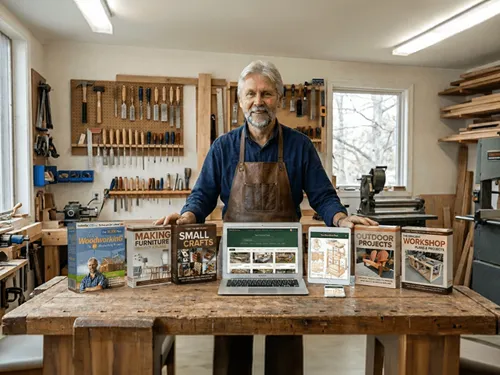
Just as McElhenney’s vision for Wrexham AFC requires expert-backed precision, any significant build demands a reliable roadmap to avoid the pitfalls of trial-and-error. You do not need to be a professional architect to achieve a professional finish; you simply need the right tools. Ted’s Woodworking offers that exact professional toolkit, providing a comprehensive library of workshop-tested blueprints designed to eliminate guesswork and guarantee structural perfection. It is the natural bridge between having a vision and executing it with the same level of care that has captivated the sporting world.
By choosing a methodical, plan-driven approach, you ensure your next project is as resilient and well-conceived as the Wrexham blueprint. Stop relying on luck and start building with the confidence of an expert. When you have the right plans, every obstacle becomes an opportunity to demonstrate craftsmanship.
 If you are ready to approach your next project with the same level of strategic, long-term precision as the Wrexham AFC board, explore the blueprint library that guarantees a professional finish.Transform My Projects Today!