

Target stock (TGT) has erupted in today’s trading session, acting as a powerful market catalyst following a Q1 2026 earnings report that smashed Wall Street expectations. For the first time in two years, the retail giant has raised its annual sales growth forecast, sparking a rally that has investors questioning whether the company’s much-needed turnaround strategy is finally firing on all cylinders. But beyond the immediate “beat-and-raise” headlines, a critical question remains: is this broad-based strength a fundamental, structural shift, or simply a temporary relief rally masking ongoing macroeconomic pressures?
As retail giants battle for supremacy in an environment defined by high interest rates and cautious consumer spending, investors are tasked with separating genuine operational progress from fleeting market exuberance. This analysis peels back the layers of Target’s latest performance to determine if the company’s digital expansion and operational adjustments are truly sustainable, or if the shadow of inflation remains a looming threat to long-term gains. It is time to look past the hype and evaluate the mechanics of the recovery to see if this bull case can survive the months ahead.
Q1 2026 Earnings Breakdown: Why TGT Stock Is Moving

The market’s enthusiastic reaction to today’s Q1 2026 earnings report highlights a pivotal moment for Target Corporation (NYSE: TGT). After navigating a challenging period characterized by a 27% year-to-date decline and persistent operational headwinds, the retail giant finally delivered a “beat-and-raise” performance that has caught the attention of Wall Street. By surpassing analyst consensus estimates for top-line growth, TGT stock has signaled to investors that the core retail business is stabilizing much faster than skeptics anticipated.
The Significance of the Forecast Hike
The most critical catalyst behind today’s price action is Target’s decision to raise its annual sales growth forecast. This move marks the first upward revision in two years, serving as a powerful indicator that CEO Michael Fiddelke’s strategic turnaround plan is gaining meaningful traction. Key components of this growth surge include:
- Broad-Based Strength: Unlike previous quarters where growth was concentrated in essentials, the current results show a healthy rebound in discretionary categories.
- Operational Efficiency: Evidence suggests that inventory management and supply chain optimizations initiated earlier this year are finally reflecting in the bottom line.
- Enhanced Consumer Engagement: Increased customer traffic, despite ongoing macroeconomic pressures, suggests that Target’s value proposition is resonating more effectively with price-conscious households.
Market Implications for TGT Stock
Investors are viewing this performance as the first concrete evidence that the structural improvements under Fiddelke’s leadership are paying off. While analysts previously downgraded the stock amid traffic slumps, current sentiment is shifting. With JPMorgan recently adjusting its price target to $129, the market is beginning to price in a more optimistic long-term trajectory. However, the true test for target stock will be maintaining this momentum through the remainder of 2026. Whether this “broad-based strength” is a sustainable shift or a temporary reaction to seasonal demand remains the primary question for shareholders evaluating the durability of this recovery.
Target’s Turnaround: Reality vs. Hype

The Q1 2026 earnings surprise from Target Corporation (NYSE: TGT) has injected a much-needed dose of optimism into the retail sector. After a grueling period where TGT stock plummeted nearly 27% year-to-date due to persistent traffic declines and operational inefficiencies, the company’s decision to double its annual sales growth forecast marks a pivotal shift. However, investors must weigh whether this “beat-and-raise” narrative signals a permanent structural recovery or merely a fleeting recovery in consumer sentiment. To distinguish reality from hype, we must examine the specific mechanics behind this turnaround led by CEO Michael Fiddelke.
Dissecting the Fundamental Shift
Evidence suggests that Target’s recent success is not merely a byproduct of seasonality, but rather a reflection of strategic realignments. Earlier this year, the company was plagued by supply chain bottlenecks and a misalignment between its discretionary inventory and shifting consumer demand. Current data points toward:
- Broad-based strength: Unlike previous quarters where growth was concentrated in essentials, recent gains have permeated diverse categories, suggesting improved inventory turnover.
- Digital integration: Target’s renewed focus on omnichannel efficiency is beginning to yield margins that compete more effectively with Walmart’s dominance in the space.
- Operational Discipline: Cost-cutting measures implemented during the 2025 downturn appear to be stabilizing the bottom line.
Future Outlook: Resilience vs. Macro Headwinds
While the market reaction is overwhelmingly positive, the long-term trajectory for target stock remains tethered to macroeconomic volatility. Persistent inflationary pressures, elevated interest rates, and fluctuating gas prices remain significant threats to the discretionary spending power of Target’s core demographic. While the Q1 results suggest that the “turnaround is starting to pay off,” analysts caution that sustained growth in Q3 and beyond depends on consumer resilience. Investors should look for evidence that these gains are structural—driven by enhanced loyalty programs and improved store-level execution—rather than a temporary relief rally fueled by short-term spending habits. Whether this momentum holds remains the central question for the remainder of the fiscal year.
Visualizing the Growth Pivot: Forecasting the Future
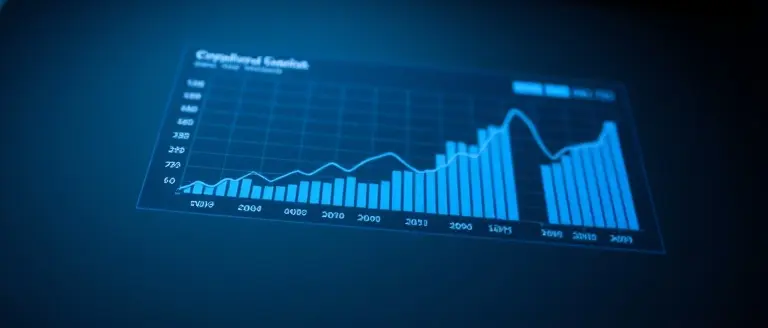
The Q1 2026 earnings announcement serves as a critical inflection point for TGT stock, marking the first time in two years that Target Corporation has upwardly revised its annual growth projections. By doubling its annual sales growth forecast, leadership has effectively signaled that the structural headwinds—which previously contributed to a 27% year-to-date decline—are finally receding. When mapping this new forecast against the sluggish performance metrics of the previous 24 months, the delta represents more than just a quarterly beat; it indicates a potential transition from defensive preservation to offensive expansion. Investors are now parsing whether this momentum reflects a permanent recovery in discretionary spending or a temporary relief rally fueled by strategic inventory management.
Analyzing the Inflection Point
The shift in guidance is why firms like JPMorgan have adjusted their price targets, such as the move from $120 to $129. Analysts view this revision as evidence that Target stock is regaining its operational footing. To understand the significance of this pivot, consider the following structural changes now influencing the valuation model:
- Operational Efficiency: The transition away from the heavy discounting cycles of 2024 and 2025 has stabilized margins, allowing for higher profitability on core goods.
- Digital Integration: Unlike previous quarters where digital expansion was a cost center, recent data suggests that Target’s omnichannel strategy is finally capturing market share from competitors by driving higher frequency among loyalty members.
- Broad-Based Recovery: Strength is no longer concentrated in grocery; discretionary categories are showing resilience, suggesting that the “Target shopper” remains more durable than broader retail sentiment indicated earlier this spring.
For shareholders, the core question remains whether this forecast is sustainable amidst lingering macroeconomic pressure. If the company maintains its current trajectory through Q3, this “doubled” outlook will likely become the baseline for a long-term valuation reset, moving the conversation from recovery to sustainable growth.
Navigating Q2 and Q3: Can Consumer Resilience Hold?

While the Q1 2026 earnings surprise has injected renewed optimism into TGT stock, the focus for investors now shifts toward the sustainability of this momentum through the remainder of the fiscal year. Target’s ability to “beat and raise” its annual sales growth forecast indicates that CEO Michael Fiddelke’s operational adjustments are yielding tangible results. However, whether this broad-based strength in discretionary categories—such as home decor and apparel—can endure through Q2 and Q3 remains a point of contention. Persistent interest rate pressures continue to erode the discretionary income of the average American household, creating a challenging macroeconomic backdrop that could temper future growth.
For the company to maintain its current trajectory, management must navigate several structural risks that could impact target stock performance in the coming months:
- Middle-Class Spending Sensitivity: With inflation still weighing on essential costs like groceries and housing, any further spikes in consumer debt servicing costs could force shoppers to pivot back to value-oriented, private-label essentials, potentially thinning profit margins.
- Inventory Management: After a year of traffic declines, Target must balance its renewed momentum with disciplined inventory control to avoid the pitfalls of the past, where bloated discretionary stocks forced heavy discounting.
- Competitive Intensity: Walmart’s digital expansion and its aggressive pricing strategies remain a formidable threat. Target’s ability to retain its “cheap chic” value proposition while facing rival retail behemoths is critical.
- Macroeconomic Headwinds: If the broader US economy experiences a cooling labor market, the recent uptick in discretionary spending may prove to be a fleeting relief rather than a fundamental shift in consumption patterns.
Investors should remain cautious and monitor whether this resilience is driven by long-term structural improvements or temporary spending shifts. As the company enters Q3, a divergence between “revenge spending” and sustainable demand will likely dictate the next phase of valuation for TGT stock. While the company has proven its agility in the short term, maintaining double-digit growth expectations will require a delicate balance between operational efficiency and the consumer’s ongoing battle with affordability.
Beyond the Earnings Hype: Building a Sustainable Future
Target’s Q1 2026 earnings surprise has undoubtedly injected fresh optimism into the markets, but seasoned investors know that a single quarter does not equate to a long-term trend. While the “beat-and-raise” narrative is compelling, the real test remains whether CEO Michael Fiddelke’s operational turnaround can hold its ground against persistent macroeconomic headwinds like inflation and shifting consumer debt. Success in today’s volatile retail landscape isn’t about riding the wave of temporary sentiment; it is about the structural, detail-oriented execution that keeps a business resilient when conditions turn unfavorable.
This same principle of precision—distinguishing between superficial hype and deep, foundational planning—is the secret to success in any endeavor, whether you are managing a corporate portfolio or mastering a personal craft. Just as a business requires a shop-tested blueprint to survive market cycles, you need a proven, step-by-step system to eliminate the trial-and-error guesswork that often leads to costly, amateur-level mistakes. Why rely on market volatility when you can build your personal success with the same level of calculated precision that characterizes top-tier corporate recovery?
We recommend leveraging the gold standard for execution: a resource that strips away the noise and provides the exact technical blueprints necessary for foolproof results. By choosing proven systems over speculative risks, you ensure that your projects and financial foundations are built to endure, regardless of the broader economic climate. Invest in your ability to execute with absolute certainty today.
 Build your own financial and project success with the same level of precision Target is applying to its recovery—start with a proven blueprint here.Yes, I Want This Now!