

When you sit back on your patio swing or grab your favorite hobby equipment, the last thing on your mind should be structural integrity. Yet, as recent widespread recalls of outdoor furniture have demonstrated, the modern supply chain for leisure goods is fraught with compromises. With over 18,000 units pulled from shelves due to catastrophic failure risks, the current market climate serves as a stark reminder: mass-produced items are often prioritized for cost-efficiency rather than long-term safety. As we navigate this era of digital fatigue and return to the tangible rewards of the analog hobbies boom, we must reconcile our passion for leisure with a rigorous commitment to quality control.
Ignoring the warning signs of equipment fatigue is no longer an option. Whether you are an outdoor enthusiast or a weekend tinkerer, relying on retail mass-market manufacturing means playing a high-stakes game of chance. Proactive equipment auditing is the first line of defense, but true peace of mind requires a fundamental shift in how we source our gear. Instead of waiting for the next recall notice to hit your inbox, it is time to move from being a vulnerable consumer to a self-reliant creator who understands—and guarantees—every bolt, joint, and beam in their home hobby space.
Understanding the Surge in Hobby and Leisure Product Recalls

The recent surge in product recall activity within the Hobbies and Leisure sector is not a coincidental spike, but a direct consequence of the “analog hobbies” boom. As consumers pivot away from digital fatigue toward tangible, hands-on activities, market saturation has accelerated. Manufacturers, eager to meet the rising demand for outdoor gear and leisure equipment, are frequently prioritizing speed to market over rigorous safety testing protocols. This competitive environment has led to a noticeable uptick in quality control failures, turning consumer safety into a critical differentiator for modern brands.
The Impact of Market Saturation on Safety
The recent recall of over 18,000 woven patio swings sold at Costco serves as a sobering case study for this phenomenon. Linked to a “risk of serious injury or death” due to seat detachment, this event highlights how complex manufacturing processes for mass-market outdoor furniture can compromise structural integrity. When equipment is rushed into the supply chain to satisfy “playcation” trends, failure points become inevitable. Consumers are now witnessing a shift where regulatory bodies and the public alike are applying heightened scrutiny to leisure goods, moving beyond simple performance reviews to evaluate long-term safety compliance.
Conscious Consumerism and Quality Assurance
In this climate of elevated risk, conscious consumerism has become the new standard. Hobbyists are increasingly favoring durability and transparent manufacturing over mass-market convenience. Brands that ignore these expectations risk severe reputational damage. To navigate this landscape, hobbyists must understand that safety is a shared responsibility:
- Audit Frequency: Regularly inspect connection points, welds, and fasteners on all leisure equipment.
- Verification: Proactively check official safety databases rather than waiting for third-party news alerts.
- Prioritizing Longevity: When purchasing new gear, prioritize manufacturers that provide detailed material specifications and clear maintenance guidelines.
By adopting a proactive posture toward equipment maintenance and quality verification, consumers can effectively mitigate the risks inherent in the current surge of leisure product recalls.
How to Audit Your Home and Outdoor Hobby Gear
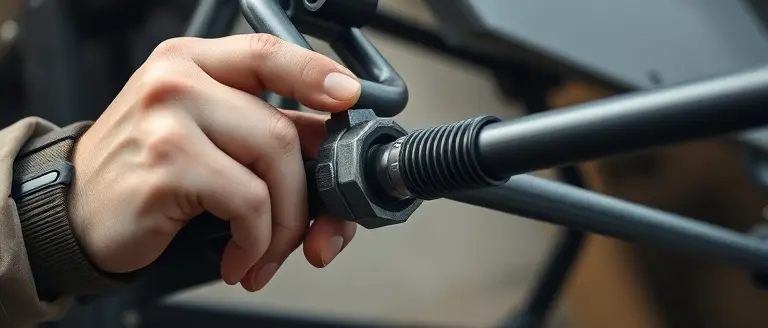
In light of the recent surge in reports involving faulty leisure equipment—such as the recent product recall of woven patio swings—it is essential for enthusiasts to move from passive consumers to active safety auditors. As the “analog hobbies boom” encourages more families to invest in high-touch physical gear, maintaining the structural integrity of your equipment is the first line of defense against injury. A proactive audit of your home and outdoor leisure items can help identify hidden hazards long before they reach a critical failure point.
Systematic Inspection Points for Structural Integrity
To effectively audit your hobby gear, focus on high-stress contact points where materials typically fatigue. Whether you are inspecting patio furniture, recreational climbing equipment, or heavy-duty hobby kits, apply these standard inspection protocols:
- Hardware and Fastener Integrity: Routinely check for loose, rusted, or missing bolts and screws. If a bolt shows signs of oxidation or stripped threads, it cannot maintain the manufacturer’s specified tension, often leading to sudden collapse.
- Woven Material Stress: For items featuring wicker, rope, or woven fabrics, examine the anchor points. Look for fraying, snapping fibers, or sagging sections that indicate structural overloading. In many cases, seat detachment occurs when the material anchoring the load point begins to degrade.
- Frame Stability and Alignment: Place your equipment on a level surface. A noticeable “wobble” or uneven weight distribution is often the first indicator of frame fatigue or metal stress fractures. Avoid using heavy-duty equipment that shows signs of warping or bending in the structural tubing.
- Joint and Weld Inspection: Inspect the joints of your leisure equipment for hair-line cracks in the paint or finish. These small fissures often mask significant underlying metal fatigue, a common cause of unexpected equipment failure in the sporting goods sector.
Identifying Signs of Hardware Fatigue
Understanding the lifecycle of your gear is paramount. If you notice persistent creaking, metallic clicking, or increased instability during normal use, discontinue use immediately. Modern consumer protection regulations emphasize that product safety is a dynamic responsibility shared between the manufacturer and the owner. By performing a seasonal audit of your outdoor leisure equipment, you effectively mitigate the risks of sudden mechanical failure, ensuring that your transition to analog, hands-on hobbies remains a safe and rewarding experience for your household.
The Leisure Sector Recall Tracker: A Resource for Owners

Navigating the landscape of product recall notifications can feel overwhelming, especially for enthusiasts invested in the “analog hobbies boom.” Rather than waiting for a viral news story—such as the recent safety alerts regarding woven patio swings—owners should adopt a proactive stance on maintenance and verification. A reliable Leisure Sector Recall Tracker begins with understanding the official channels available for equipment verification. The primary authority for the United States market is the Consumer Product Safety Commission (CPSC), which maintains a comprehensive, searchable database of every major recall. By regularly visiting SaferProducts.gov, hobbyists can filter by category—such as sporting goods or outdoor furniture—to see if their specific model is impacted by current safety mandates.
How to Audit Your Gear for Safety
To ensure your equipment remains safe for long-term use, follow these systematic steps to audit your collection:
- Register Serial Numbers: Many manufacturers offer direct email alerts for safety updates if you register your product immediately after purchase. Always keep the original owner’s manual or a photo of the product’s label, which typically includes the batch code and manufacture date.
- Utilize Official Portals: Do not rely solely on third-party news reports. Cross-reference any safety rumors with the CPSC website or the manufacturer’s “Product Support” page to verify the recall status.
- Verify Warranty Terms: If a piece of equipment is part of a safety recall, do not attempt to repair it yourself. Contact the brand’s customer service department immediately to initiate a verified warranty claim, which often entitles you to a replacement, repair, or full refund.
- Document Defects: If you notice structural fatigue or potential failure points, contact the manufacturer and the CPSC. Providing feedback helps the industry address non-compliance issues before they escalate into systemic brand reputation damage.
By positioning yourself as a conscious consumer, you protect not only your investment but also your household. Integrating these verification habits into your seasonal maintenance schedule is the most effective way to manage the risks associated with the increasing saturation of leisure goods in the modern home.
Prioritizing Safety and Longevity in the Analog Hobby Movement
As digital fatigue drives an increasing number of consumers toward the “analog hobbies” movement, the market has seen a surge in demand for tangible, hands-on leisure equipment. However, this growth has also led to a higher saturation of mass-market, budget-conscious alternatives that may prioritize volume over rigorous safety standards. When hobbyists opt for inexpensive gear, they often increase their exposure to potential failure points, a risk underscored by the recent product recall of woven patio swings due to structural detachment issues. To maintain a safe and fulfilling experience, it is essential to shift focus from immediate convenience to the long-term integrity of the products we bring into our homes.
Evaluating Equipment for Durability and Safety
To protect your leisure time, adopting a “safety-first” mindset is critical. Investing in high-quality gear not only improves performance but serves as a hedge against the hazards associated with mass-produced leisure goods. Before making a purchase or continuing to use older equipment, consider these proactive verification steps:
- Review Manufacturer Compliance: Research whether the brand adheres to recognized industry safety standards for sports and leisure goods. Reliable manufacturers typically provide clear documentation on load-bearing capacities and material testing.
- Conduct Periodic Safety Audits: Establish a routine to inspect equipment for fatigue, stress fractures, or loose fasteners. Even premium gear requires maintenance to ensure continued reliability.
- Prioritize Longevity over Price: By choosing durable materials, you reduce the necessity for frequent replacements, which in turn limits your exposure to the unpredictable quality often found in budget-tier mass-market items.
- Monitor Official Channels: Stay informed by utilizing official recall trackers. Do not wait for a major incident to verify if your equipment has been flagged for safety non-compliance.
Ultimately, the goal of any hobby is enjoyment. By valuing durability and verifying the provenance of your gear, you align your consumer habits with the modern necessity for safety compliance, ensuring that your leisure equipment supports—rather than compromises—your well-being.
Take Control of Your Safety and Build With Confidence
The recent spike in leisure industry recalls isn’t just a news headline; it is a clear indicator that the standard of mass-market furniture and hobby gear is no longer guaranteed. By auditing your existing space, you have taken the essential first step toward safety, but you don’t have to settle for the inherent risks of store-bought alternatives. The most reliable way to avoid the dangers of faulty manufacturing is to take complete control of the build process yourself, ensuring every piece of equipment meets your own uncompromising standards for quality.
This is where your journey shifts from reactive maintenance to proactive creation. Ted’s Woodworking serves as your ultimate quality assurance accelerator, empowering you to move away from the fragility of retail goods and into the world of lasting, structural integrity. By leveraging these workshop-tested plans, you gain total control over material selection and joinery precision, effectively future-proofing your leisure space against the design flaws that lead to recalls. You aren’t just building furniture; you are crafting reliable, life-long assets that ensure your safety and your peace of mind.
Why continue to gamble on the manufacturing standards of others when you can build something superior with your own hands? It is time to transform your home hobby environment into a sanctuary of custom, safety-verified craftsmanship. Take the step from an uncertain consumer to a master builder today.
 Audit your hobby space today, and start building with confidence using our library of 16,000 workshop-tested, safety-verified plans.Yes, I Want to Build Safely Today!