
The sudden announcement of an FAA ground stop at DFW can turn a smooth travel day into a grueling test of endurance. When severe thunderstorms paralyzed North Texas on May 19, 2026, thousands of passengers found themselves trapped in a cascade of cancellations and uncertainty. Understanding the mechanics of a ground stop—and why these FAA-mandated pauses occur—is the first step to reclaiming control over your travel itinerary during volatile weather events.
For the modern traveler, a delay at a massive hub like Dallas Fort Worth International Airport is more than a simple schedule change; it is a high-stress logistics challenge. Whether you are dealing with automated rebooking systems or the scramble for customer service support, your ability to remain calm and think clearly is your greatest asset. This guide provides the tactical roadmap you need to manage the disruption, understand your rights, and maintain your composure while the airport navigation turns into a high-stakes endurance event.
Understanding the May 19, 2026 DFW Ground Stop
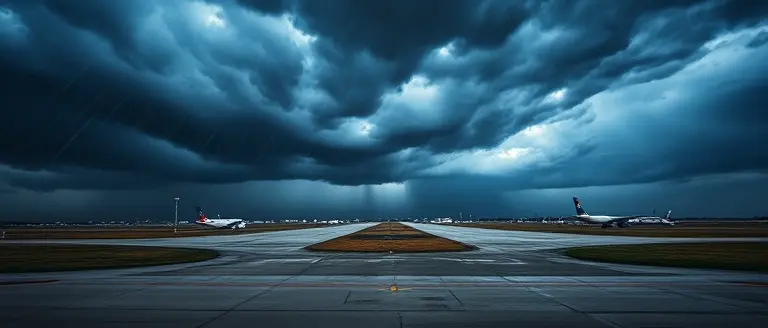
On May 19, 2026, air travel throughout North Texas faced significant disruption when severe thunderstorms moved across the region, necessitating a mandatory FAA ground stop at DFW airport and Dallas Love Field. This regulatory action, issued by the Federal Aviation Administration, is a standard safety protocol implemented when localized weather conditions render the airspace or airport surface unsafe for flight operations. Unlike mechanical failures or staffing shortages, this event was strictly meteorological, driven by intense atmospheric instability that posed clear visibility and safety risks to arriving and departing aircraft.
The logistical impact of the event was immediate and widespread. By the end of the day, authorities confirmed over 400 flight cancellations across the two major regional hubs. The DFW ground stop today—referring to the timeline of the event—underscored the vulnerabilities inherent in major international transit hubs when faced with extreme weather patterns. Travelers were met with cascading delays as the grounding of aircraft created a ripple effect, forcing airlines to manage massive rebooking queues and crew displacement issues.
Key Factors of the May 19 Disruption
To provide clarity on why these operations were halted, it is essential to distinguish between standard delays and a full ground stop:
- Safety Mandate: The FAA issues a ground stop when weather conditions, such as high winds, heavy rain, or lightning, exceed the safety thresholds for safe ground movement and takeoff.
- Regional Scope: The event impacted both DFW airport and Love Field, indicating that the storm cells were broad enough to effectively shut down the entire North Texas airspace for a duration.
- Operational Reality: Because the disruption was classified as an “act of God,” it falls outside the scope of airline-controlled incidents, which is why passengers faced significant challenges in securing compensation or immediate accommodation.
By May 20, 2026, as the weather system subsided, the focus shifted to recovery and the normalization of schedules. Understanding that these interruptions are safety-driven is the first step for passengers to navigate future travel disruptions effectively when flying through high-traffic hubs like Dallas.
How to Track Flight Status During Weather Disruptions
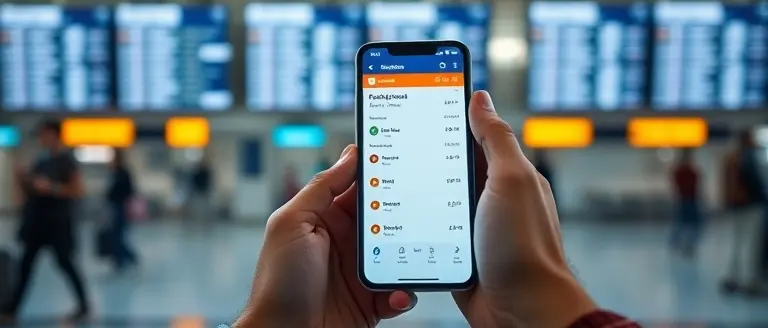
Navigating a dfw ground stop requires immediate access to accurate, real-time data. When the FAA ground stop at DFW is issued due to severe weather, the primary goal for passengers is to distinguish between standard delays and total operational halts. To manage your travel expectations effectively, you must utilize a multi-pronged approach to monitoring the status of DFW airport operations. Relying solely on airline notification systems can sometimes lead to delays in information; therefore, savvy travelers cross-reference their status using official aviation tools.
Essential Tools for Real-Time Monitoring
- FAA Air Traffic Control System Command Center (ATCSCC): This is the most authoritative source for understanding the scope of a faa ground stop dfw. The website provides a real-time “Current Ground Delay Programs” table, which explicitly lists affected airports and the expected duration of the ground stop.
- FlightAware: Use this platform to track individual flight paths and view “Misery Map” data, which highlights the cascading impact of delays across the national airspace system.
- Official Social Media Channels: The official DFW Airport accounts and the FAA’s Twitter/X handles often provide the first word on the severity of incoming thunderstorms, which helps in anticipating if a ground stop will be extended.
Understanding Industry Terminology
It is vital for passengers to differentiate between an “Air Traffic Control Delay” and a “Ground Stop.” An Air Traffic Control (ATC) delay typically suggests that flights are moving, but at a throttled, slower rate due to traffic congestion or weather-related spacing requirements. In contrast, a ground stop is an extreme measure where aircraft are prohibited from taking off for the affected airport, effectively halting the flow of traffic to maintain safety during severe meteorological conditions. By understanding these distinctions, you can make more informed decisions regarding rebooking options before lines at the airport service counters become unmanageable. Always prioritize the FAA’s official status updates over anecdotal reports during a major weather event.
Passenger Survival Guide: Proactive Steps for Rebooking

When the FAA ground stop at DFW is issued due to severe weather, the immediate rush of passengers to ticketing counters often creates gridlock that can leave travelers stranded for hours. To minimize stress, prioritizing self-service digital tools is essential. Evidence suggests that airline mobile apps and automated airport kiosks process rebooking requests significantly faster than human agents, who are often overwhelmed by long queues and high call volumes. By accessing your booking directly through the airline’s official app, you can often select alternative flights in real-time, bypassing the need to wait in line during a DFW ground stop today.
Strategic Rebooking and Resource Management
To successfully navigate an unexpected cancellation at DFW airport, follow these proactive steps to regain control of your travel itinerary:
- Prioritize App-Based Rebooking: If your flight is canceled, check the airline’s app immediately. Most platforms allow you to confirm a new flight instantly without speaking to a representative.
- Utilize Dual Channels: While waiting in a physical line, call the airline’s customer service number or use the web-based chat function. Often, the phone support center can access inventory that may not be displayed on the public website.
- Track Official Updates: Rely on the FAA’s Air Traffic Control System Command Center website to monitor the status of the ground stop, as this provides the most accurate timeline for when departures might resume.
- Identify Terminal Amenities: DFW is a massive hub; familiarize yourself with your terminal’s specific map. Locate charging stations, quiet areas, and lounge access options early, as high-demand amenities disappear quickly during widespread delays.
- Document Expenses: While airlines are generally not liable for compensation during “acts of God” like severe storms, keep receipts for essential expenses. Some travel credit cards or premium travel insurance policies provide coverage for meals and lodging incurred during weather-related delays.
By remaining proactive rather than reactive, you significantly increase your chances of securing a seat on the next available flight once the FAA ground stop is lifted. Staying calm and utilizing digital autonomy is the most effective way to manage the cascading effects of extreme North Texas weather on your journey.
Navigating Airline Liability and Weather-Related Cancellations

When an FAA ground stop at DFW is triggered by severe weather, many travelers mistakenly assume airlines are legally obligated to provide compensation. Under Department of Transportation (DOT) guidelines, weather-related disruptions are classified as “controllable” only if the airline fails to manage the situation properly; however, events like the May 19, 2026, thunderstorms fall squarely under “Acts of God.” Because these events are beyond the carrier’s control, airlines are generally exempt from paying out cash compensation or providing mandatory hotel vouchers. While many major carriers may offer goodwill gestures or amenities during a prolonged DFW airport shutdown, they are not strictly required to do so by federal law.
Understanding Your Protection and Recourse
Since airline liability is limited during meteorological events, passengers must look to secondary layers of protection to mitigate the financial impact of a dfw ground stop today. Savvy travelers should consider the following steps to manage expenses when flights are grounded:
- Review Credit Card Benefits: Many premium travel credit cards include “Trip Delay Insurance.” If your flight is delayed by a specific number of hours—or overnight—due to a covered hazard like severe weather, your card may reimburse you for meals and lodging.
- Check Independent Travel Insurance: If you purchased a standalone policy, verify the “trip delay” or “trip interruption” clauses. These policies are often more comprehensive than the default protections provided by airlines.
- Utilize Official Tracking Tools: During a widespread faa ground stop dfw event, official FAA flight status tools and airport websites provide the most accurate data. Knowing the status early allows you to rebook before queues at service desks become unmanageable.
- Document Everything: Keep copies of all receipts for expenses incurred during the delay. Even if the airline isn’t liable, you will need this documentation to file a successful claim with your insurance provider or credit card issuer.
By understanding these distinctions, you can navigate the stress of a sudden dfw ground stop with a clear plan, ensuring you are prepared when the next North Texas storm disrupts your travel itinerary.
Stay Ahead of the Chaos with Mental Clarity
Navigating a DFW ground stop is rarely just about the weather; it is a test of your patience, logistics, and cognitive endurance. While you cannot influence the FAA’s safety mandates or the path of a North Texas thunderstorm, you hold absolute authority over your internal response. Mastery of the situation starts with staying calm when the terminal becomes crowded and the rebooking lines begin to snake around the gates.
While you cannot control the weather or the FAA’s ground stop mandate, you can control your mental state to make better decisions. Incorporating a quick, 12-minute auditory routine can help you cut through the airport chaos and stay sharp for your rebooking negotiations. This is where The Brain Song becomes your essential travel companion. Designed to combat mental fog and restore focus, this 12-minute cognitive refresh helps you maintain the sharp, calm resilience needed to navigate complex travel disruptions with confidence.
By leveraging this tool during your next delay, you transition from a frustrated passenger to a prepared traveler who remains focused while others succumb to stress. Regain your mental edge now and ensure that the next time the flight boards, you are ready to move first.
 Regain your mental edge during travel delays—start your 12-minute cognitive refresh session today.Yes, I Want to Stay Sharp Now!