

As headlines regarding global health emergencies dominate the news cycle, it is natural to feel a heightened sense of unease. From the international response to viral outbreaks to local concerns about hospital safety, the word infection has become a focal point of public anxiety. However, the current media climate often blurs the lines between localized medical challenges and widespread systemic threats, leaving many in the U.S. questioning the efficacy of our healthcare infrastructure and their own personal risk levels. Understanding the current landscape requires cutting through the noise to distinguish between sensationalism and the pragmatic reality of modern domestic health protocols.
Rather than succumbing to speculative fear, the most powerful tool at your disposal is high-utility information. By translating official directives into actionable guidance and focusing on how our hospital systems and personal hygiene practices function as layers of defense, we can replace panic with preparedness. This article aims to clarify the complexities of today’s health environment, providing a balanced look at how our infrastructure manages imported risks while identifying the foundational, everyday steps you can take to bolster your own systemic resilience against the pressures of the modern world.
Current Global Health Landscape: Understanding the May 2026 Emergency Declarations

As of May 2026, the global medical community is navigating a complex environment characterized by multiple, geographically distinct health challenges. Most notably, the World Health Organization (WHO) has officially declared the ongoing Ebola outbreak in Central Africa a Public Health Emergency of International Concern (PHEIC). This designation is a formal mechanism used to coordinate a global response, facilitate the deployment of medical supplies, and prioritize research into effective antiviral therapies. While the situation is evolving, international health authorities are primarily focused on containing transmission within affected regions through standardized quarantine protocols and rigorous contact tracing.
Distinguishing Clinical Threats
It is essential for the public to maintain a measured perspective when evaluating multiple reports of infection. In addition to the Ebola crisis, recent accounts involving isolated instances of hantavirus transmission on maritime vessels have surfaced. While concerning, medical experts categorize these events differently:
- Ebola (Viral Hemorrhagic Fever): Requires direct contact with the bodily fluids of an infected individual or contaminated materials; it is not typically spread through casual respiratory interaction.
- Hantavirus: Primarily associated with exposure to rodent waste rather than human-to-human transmission, making the risk profile for general cruise ship passengers distinct from the Ebola emergency.
These occurrences, while distinct, emphasize the importance of robust infection prevention and control measures in travel and healthcare settings. Despite public anxiety regarding government funding for health agencies, the U.S. remains supported by a multilayered surveillance infrastructure designed to detect and manage imported risks. The current strategy relies on clinical vigilance—screening symptomatic travelers and ensuring that domestic hospitals adhere to established high-consequence pathogen protocols. Understanding these differences is the first step in replacing fear with accurate, evidence-based preparedness.
Evaluating U.S. Infrastructure and Infectious Disease Preparedness

The United States public health infrastructure currently operates under a complex duality: highly advanced clinical capabilities contrasted against systemic budgetary constraints. While the nation’s ability to treat a high-consequence infection—such as Ebola or imported viral pathogens—is significantly more sophisticated than it was during the 2014-2016 response cycle, concerns persist regarding the sustainability of these systems. Evidence suggests that modern isolation units and standardized protocols for healthcare-associated transmission prevention are robust, benefiting from years of iterative improvements in hospital-grade personal protective equipment (PPE) and rapid diagnostic laboratory networks. However, the efficacy of this infrastructure depends heavily on early detection through global and domestic surveillance programs.
Recent funding adjustments at the CDC and USAID have introduced friction into these surveillance pipelines. Historically, these agencies acted as the primary firewalls against imported threats, funding global “early warning” systems that allow domestic hospitals to prepare before a local outbreak occurs. Current analysis indicates that while direct patient care capacity remains high, the “upstream” infrastructure—which focuses on epidemiological monitoring and international technical assistance—is operating with less fiscal agility than in previous years.
To maintain effective infection control moving forward, experts emphasize several critical areas of focus:
- Surveillance Integration: Strengthening the link between global health data and domestic hospital alert systems to ensure clinicians are prepared for specialized diagnostic protocols.
- Operational Resilience: Utilizing existing hospital networks, such as the National Ebola Treatment and Education Center (NETEC) facilities, which were designed specifically to manage high-threat pathogens safely.
- Resource Allocation: Focusing current budgets on maintaining supply chain consistency for specialized antiviral treatments and diagnostic reagents rather than reactive spending.
Compared to historical benchmarks, the U.S. health system is better equipped to prevent internal spread through rigorous contact tracing and advanced containment procedures. Nevertheless, the integrity of these defenses relies on sustained investment in public health personnel and the rapid translation of WHO directives into local, actionable clinical guidelines. Maintaining this infrastructure requires a shift from emergency-based funding models to a more stable, longitudinal investment strategy to ensure long-term preparedness against evolving infectious risks.
Reducing Risks of Healthcare-Associated Infections
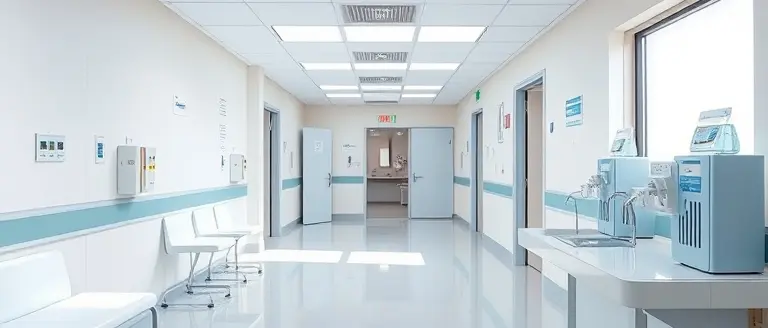
In light of heightened global anxiety regarding an infection outbreak, it is natural for patients to harbor concerns about safety when visiting medical facilities. However, U.S. hospitals operate under rigorous, standardized protocols designed to minimize the transmission of pathogens. Modern infection control in American clinical settings relies on a multi-layered approach known as “Standard Precautions.” These protocols are applied to every patient, regardless of their suspected or confirmed diagnosis, ensuring that the risk of healthcare-associated transmission remains statistically low even during periods of public health crises.
Proactive Patient Advocacy and Clinical Hygiene
Patients play an essential role in their own safety by understanding how these protective measures function. Hospitals maintain clean environments through the use of high-level disinfectants, specialized air filtration systems, and the systematic use of Personal Protective Equipment (PPE) by staff. To further mitigate risks, patients should feel empowered to engage in active communication with their healthcare providers regarding safety practices.
To advocate for your health and ensure the highest standards of care, consider the following actions:
- Verify Hand Hygiene: Do not hesitate to politely ask your healthcare provider to perform hand hygiene before they touch you or your equipment. Clean hands are the single most effective way to prevent the spread of germs.
- Observe Environmental Standards: Ensure that high-touch surfaces, such as bed rails and bedside tables, appear clean. If you notice an issue, inform the nursing staff immediately.
- Understand Isolation Protocols: If a facility implements “contact” or “droplet” precautions, understand that these are sophisticated tools used to contain an infection rather than signs of systemic failure.
- Maintain Vaccination Records: Keeping your standard immunizations up to date is the best defense against secondary complications when the healthcare system is under strain.
By focusing on these evidence-based hygiene practices, patients can navigate medical care with confidence, relying on the robust, time-tested infrastructure that defines modern U.S. hospital safety.
Translating Official Guidelines for Public Health Safety

In light of the current global health emergency, navigating the influx of information from the World Health Organization (WHO) and the Centers for Disease Control and Prevention (CDC) can be overwhelming. Translating these directives into everyday safety practices is essential for maintaining public health. Essentially, the core of infection prevention at the individual level remains rooted in proven hygiene protocols: diligent handwashing with soap and water, avoiding contact with bodily fluids, and remaining vigilant regarding travel to regions with active outbreaks. While the public may feel heightened anxiety, current guidelines emphasize that for the average U.S. resident, the risk of contracting a high-consequence pathogen remains extremely low due to robust border screening and established domestic healthcare-associated infection (HAI) control standards.
Practical Steps for Proactive Health Management
To effectively distinguish between verified health directives and unsubstantiated claims, consider these evidence-based guidelines:
- Rely on Primary Sources: Utilize the official CDC website and state health department bulletins rather than social media speculation. If a claim does not cite a peer-reviewed source or a direct government agency release, approach it with extreme caution.
- Identify Symptoms Accurately: Distinguishing between seasonal illnesses and serious threats is vital. If you develop a sudden, high fever accompanied by unexplained fatigue or severe malaise, contact your primary care provider via phone before visiting an emergency department. This helps facilities prepare for your arrival safely.
- Understand Transmission: Most dangerous pathogens—such as those currently in the news—are not airborne like the common flu. They typically require direct contact with infected blood or bodily fluids. Understanding these specific modes of transmission is the most effective way to manage personal fear.
By focusing on these clear, actionable directives, the public can move from a state of panic toward informed preparedness. U.S. hospital systems continue to utilize strict isolation protocols, ensuring that should an imported infection risk emerge, it is contained rapidly through specialized training and personal protective equipment (PPE) that far exceeds standard clinical requirements. Maintaining this focus on hygiene and verified communication is your strongest defense against both illness and misinformation.
Building Your Foundational Defense
In times of global health uncertainty, the most effective strategy is a pivot from reactive panic to proactive, science-backed personal management. While international health agencies work to contain infectious threats, the responsibility for individual resilience begins with the body’s own internal defenses. By understanding the distinction between varying health risks and maintaining robust hygiene protocols, you are better equipped to navigate these challenging times with clarity and confidence.
While external vigilance is essential, we must not overlook the primary portals of entry that our immune system guards daily. Your oral microbiome serves as the vital gateway to your upper respiratory system, acting as a first-line barrier against environmental stressors. Strengthening this microbiome is not just about dental care; it is an essential component of comprehensive systemic support. ProDentim bridges the gap between daily maintenance and immune-adjacent defense, providing a foundational layer of protection that reinforces your body’s natural resilience.
Taking control of your health means addressing the systemic factors within your reach. By supporting the health of your oral cavity, you are actively choosing to optimize your respiratory defenses, making a proactive, non-intrusive step toward better total-body health. It is time to move beyond anxiety and focus on the daily actions that truly strengthen your inner barrier.
 Take control of your first line of defense today by supporting your oral and respiratory microbiome with ProDentim.Transform My Health Today!