
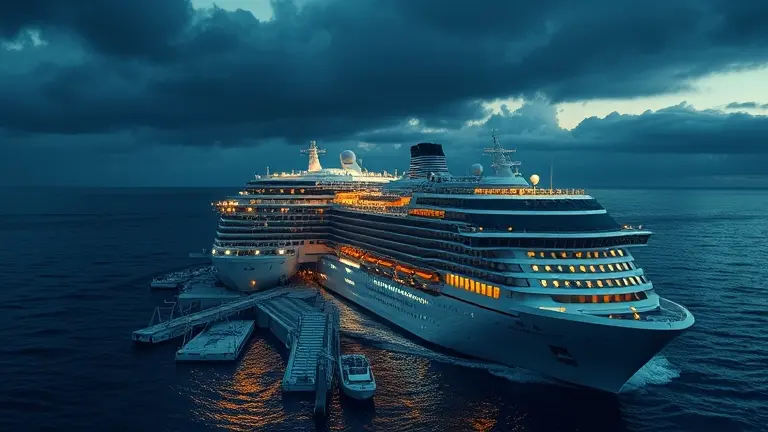
The landscape of the cruise line industry is undergoing a seismic shift in 2026. As travelers grow increasingly wary of the density associated with traditional mega-ships, the luxury market is seeing a massive migration toward smaller, expedition-style vessels. This boutique evolution, which has seen a staggering 42% surge in passenger numbers, reflects a broader desire for more intimate, intentional exploration. However, this transition is also occurring against a backdrop of heightened scrutiny regarding public health, particularly in the wake of recent, highly publicized hantavirus concerns that have placed travel safety squarely at the top of the passenger agenda.
For the modern adventurer, navigating this new era requires more than just checking travel advisories; it demands a comprehensive strategy for health and safety. The intersection of emerging cruise trends and increased health awareness means that the most prepared travelers are moving beyond traditional planning. By balancing an analytical look at ship size with a newfound focus on personal immune resilience, you can effectively bridge the gap between necessary caution and the freedom to explore. In this guide, we examine how to navigate the 2026 cruise evolution while keeping your well-being at the forefront of your itinerary.
The 2026 Cruise Evolution: Market Shifts and Health Realities
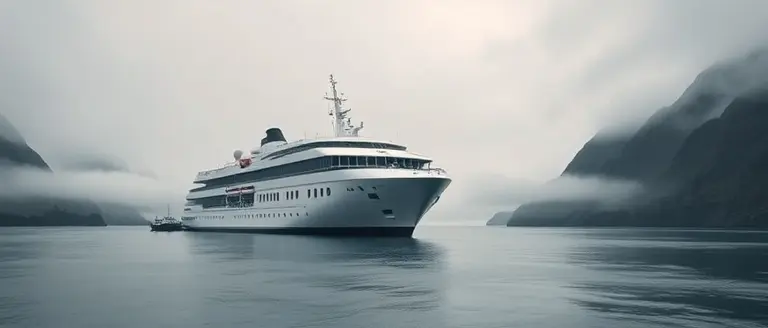
The cruise line industry is currently navigating a period of profound transformation as of May 2026. Travelers are witnessing a dual-track reality: a rapid pivot toward intimate, expedition-style voyages and a heightened focus on stringent health protocols following recent public health alerts. While the broader market remains resilient, the consumer preference for expedition cruising—which has seen a staggering 42% increase in passenger volume—signals a departure from the traditional mega-ship model. Passengers are increasingly prioritizing unique, off-the-beaten-path itineraries and lower guest-to-crew ratios, factors that align with both luxury expectations and an enhanced sense of personal space.
Addressing Health and Safety in the New Era
The recent hantavirus cluster linked to a specific vessel has naturally prompted questions regarding safety standards across the industry. However, health authorities and major operators have responded with robust, transparent monitoring and enhanced sanitation oversight. To navigate this evolving landscape, prospective travelers should consider the following:
- Heightened Vigilance: Cruise operators are currently under strict observation by global health agencies to ensure that outbreaks—however isolated—are contained and managed with maximum transparency.
- Operational Resilience: Despite the scrutiny, ships are scheduled to return to service with reinforced health checks, signaling confidence from both regulatory bodies and industry stakeholders.
- Informed Decision Making: Rather than avoiding travel, the modern cruiser is focusing on lines that demonstrate excellence in medical infrastructure and clear, proactive communication channels.
As the industry shifts, the gap between traditional tourism and specialized exploration is widening. Choosing the right cruise line in 2026 now requires a balanced approach: weighing the appeal of adventure-heavy expedition ships against a baseline expectation of clinical safety and hygiene. By focusing on objective data and staying informed through reliable reporting, travelers can continue to explore the globe while mitigating potential risks in an increasingly complex travel environment.
Why the ‘Smaller is Better’ Trend is Defining 2026

The cruise line industry is currently undergoing a structural transformation that favors intimate discovery over the sheer scale of traditional mega-ships. Recent industry data reveals that expedition cruising has become the fastest-growing sector, posting a remarkable 42% increase in passenger volume as of mid-2026. This shift reflects a fundamental change in traveler psychology: modern passengers are increasingly trading Broadway-style entertainment and massive crowds for hyper-localized, educational, and sustainable maritime experiences. By opting for boutique vessels, travelers gain access to remote, ecologically sensitive destinations that remain entirely off-limits to larger ships, providing a more authentic and less intrusive way to explore the globe.
The Shift Toward Personalized Exploration
Smaller expedition ships are redefining what it means to be a passenger in 2026. Rather than focusing on high-density onboard amenities, these ships prioritize expedition-style cruising, which emphasizes:
- Direct Environmental Engagement: Smaller ship footprints allow for maneuverability in fjords, archipelagos, and polar regions, bringing guests closer to natural habitats.
- Educational Depth: Onboard programming is now led by subject-matter experts, naturalists, and historians who provide deep insights into local cultures and ecosystems.
- Intimate Onboard Culture: Reduced passenger capacities foster a sense of community, allowing for more personalized service and spontaneous interactions between guests and crew.
- Sustainable Travel: Smaller vessels are often at the forefront of implementing advanced waste management and low-emission technologies, aligning with the growing demand for eco-conscious travel options.
As luxury travel evolves, the preference for these boutique experiences suggests that the future of the cruise line market will be defined by quality of experience over quantity of passengers. For the 2026 traveler, the appeal of a smaller ship lies in the ability to visit hidden ports and engage in meaningful exploration, turning a traditional vacation into a curated journey of discovery.
Navigating Health and Safety: Fact-Based Travel in 2026

Travelers evaluating a cruise line for their 2026 vacations are understandably focused on health and safety, particularly following recent reports regarding isolated incidents of hantavirus. While headlines can be concerning, health authorities, including the World Health Organization (WHO), maintain that the risk of transmission in a well-managed cruise environment remains statistically low when standard maritime sanitation protocols are strictly enforced. The industry has responded by tightening its already rigorous public health monitoring systems, ensuring that ships returning to service undergo comprehensive environmental assessments to mitigate any localized risks. For the modern traveler, the goal is to distinguish between sensationalized news and operational reality by focusing on verifiable safety metrics.
Assessing Safety Protocols Before You Book
When selecting a cruise, savvy passengers should look beyond the amenities and scrutinize the operator’s commitment to transparency. Modern cruise line standards have evolved significantly, with major operators integrating advanced HVAC systems and upgraded ventilation protocols that meet international medical guidelines. To ensure your peace of mind, consider these actionable steps before finalizing your itinerary:
- Review Sanitation Records: Check the latest reports from national health agencies to see how specific vessels are rated regarding food safety and overall hygiene.
- Verify Communication Channels: Reputable lines now provide clear, accessible public health dashboards on their websites, outlining their specific policies for outbreak prevention and containment.
- Consult Medical Infrastructure: Evaluate the ship’s onboard medical facility capabilities; top-tier lines employ full-time medical staff trained to handle a wide spectrum of health concerns, including specialized diagnostic testing.
- Monitor Official Advisories: Always cross-reference travel plans with the WHO or your local government’s health department, which provide the most objective and timely information regarding regional health trends.
By prioritizing lines that demonstrate proactive transparency and robust health monitoring, passengers can enjoy the benefits of travel while maintaining a grounded, informed approach to personal wellness. Evidence suggests that the integration of these high-level safety standards is now a core competitive advantage for companies navigating the complexities of post-2026 global travel.
Planning Your 2026 Voyage: Balancing Ambition and Caution

As travelers evaluate their options for a cruise line in 2026, the current landscape requires a dual focus on health awareness and experiential value. Recent reports regarding localized health incidents—such as the hantavirus cluster monitored by health authorities—have understandably prompted cautious travelers to reconsider their booking criteria. When selecting a voyage, prioritize lines that demonstrate transparent communication and proactive health protocols. Instead of solely browsing promotional deals, vet your potential operator by reviewing their latest public health reports and their specific mitigation strategies regarding viral transmission. Ensuring that your chosen provider adheres to rigorous sanitization and medical oversight is the baseline for responsible travel planning this year.
Evaluating Ship Size and Travel Insurance
The industry is experiencing a notable shift as passenger preferences move away from traditional mega-ships toward expedition and boutique cruises, a segment seeing a 42% growth in demand. Smaller vessels offer a distinct advantage for those prioritizing safety and intimacy, as they typically feature lower passenger density and more direct access to remote, less-crowded ports. Beyond vessel size, securing comprehensive travel insurance has become an essential component of any 2026 booking.
When reviewing policy terms, ensure your coverage includes:
- “Cancel for Any Reason” (CFAR) clauses: These provide maximum flexibility if health advisories shift suddenly.
- Medical evacuation benefits: Crucial for remote expedition itineraries where traditional hospital access may be limited.
- Trip interruption protection: Specifically covering health-related delays or mandatory quarantine requirements.
By favoring boutique experiences and maintaining a robust safety net, you can navigate the complexities of current travel environments with confidence. Focus your search on smaller fleet operators that emphasize immersive, nature-based exploration, which aligns both with the latest market trends and the modern desire for a more controlled, individualized voyage.
Proactive Health for the Modern Explorer
As the cruise industry undergoes a transformative 2026, the shift toward intimate, expedition-style voyages represents more than just a change in preference—it is a movement toward intentional, high-quality travel experiences. Whether you are navigating the scenic fjords on a boutique vessel or simply evaluating your next getaway, prioritizing your personal well-being is the ultimate form of travel insurance. While staying informed about evolving health guidelines is essential, the most sophisticated travelers are now looking to fortify their own internal resilience to ensure total peace of mind in any shared environment.
This is where your personal health toolkit becomes your most valuable asset. Because travel can often stress the upper respiratory system, supporting your body from within is a proactive measure that aligns perfectly with the cautious, informed approach of today’s luxury traveler. ProDentim offers a unique, science-backed way to support your oral microbiome, which is the gateway to your respiratory and sinus health. By integrating this into your pre-voyage routine, you are not just preparing for a trip; you are optimizing your body’s natural defenses for a more resilient and worry-free experience.
By prioritizing your oral health, you can shift the narrative from passive concern to confident preparation. Take control of your travel wellness today and ensure your next adventure is supported by a foundation of health. After all, the best way to enjoy a world-class expedition is to arrive fully prepared for whatever the journey brings.
 Prepare your internal defenses for your next boutique expedition by optimizing your oral health with ProDentim.Secure My ProDentim Supply Now