

On May 24, 2026, Katherine Legge will step into the cockpit not once, but twice, attempting a feat of endurance that has become the ultimate litmus test for professional racing royalty: ‘The Double.’ As she prepares to navigate the high-speed intensity of the Indianapolis 500 and follow it with the grueling, multi-hour tactical warfare of the Coca-Cola 600, Legge is rewriting the narrative of what is possible in motorsport. While the headlines focus on qualifying times and logistics, the real story lies in the punishing physiological toll of competing in two separate series, on two different tracks, in the span of a single calendar day.
To survive this 1,100-mile odyssey, Legge relies on a level of metabolic precision rarely discussed in mainstream sports media. Her training is a masterclass in bio-efficiency, requiring her body to toggle between the explosive reflexes needed for IndyCar and the sustained, heat-drenched endurance required for the NASCAR circuit. For those of us watching from the sidelines, her journey offers a profound lesson in how the right metabolic optimization can turn human limits into extraordinary milestones.
Katherine Legge’s Historic Double: Breaking New Ground in Motorsport
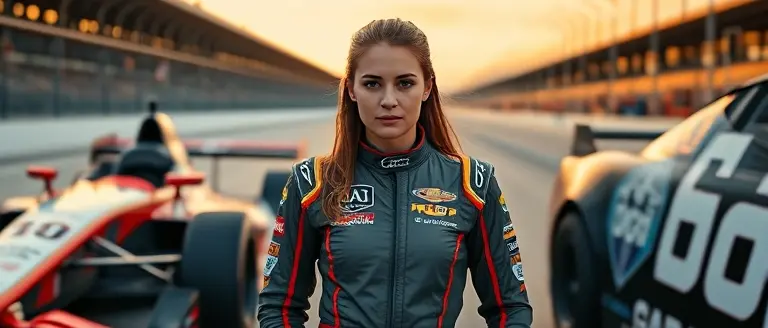
In the annals of motorsport, few challenges are as physically demanding or logistically complex as “The Double”—the feat of competing in both the Indianapolis 500 and the Coca-Cola 600 on the same calendar day. As of May 2026, Katherine Legge has catapulted herself into the global spotlight by becoming the first woman to officially attempt this grueling endeavor. Following a high-pressure qualifying session at Indianapolis Motor Speedway, where she secured the 27th starting position, Legge’s focus shifted to finalizing the logistics for her transition to Charlotte Motor Speedway. Her confirmed entry for the Coca-Cola 600 underscores not just her technical proficiency as a driver, but her relentless commitment to shattering gender barriers in professional racing.
The Significance of the 2026 Campaign
The magnitude of this attempt cannot be overstated. By racing on two of the most iconic tracks in the United States, Legge is bridging the divide between IndyCar and NASCAR in a way that very few drivers in history have dared to undertake. This campaign is more than a display of raw speed; it is an exercise in elite athletic endurance.
- Historic Milestone: Legge is the pioneer for female athletes in high-stakes, same-day endurance racing.
- Logistical Precision: The transition requires seamless coordination between IndyCar pit crews and NASCAR team engineers, utilizing private air transport to traverse the distance between Indiana and North Carolina.
- Physical Conditioning: The contrast between the open-wheel requirements of the Indy 500 and the heavy stock car dynamics of the 600-mile race demands a specialized, multi-disciplinary fitness regimen.
As race day on May 24, 2026, approaches, industry experts and fans alike are tracking her preparation with intense scrutiny. Her participation provides a crucial case study in human performance, proving that the gap between disparate racing series can be bridged through strategic planning and professional grit. Regardless of the final checkered flag, Legge has already succeeded in redefining the limits of endurance for the next generation of drivers.
The Logistics of Speed: Managing the 2026 Double-Header
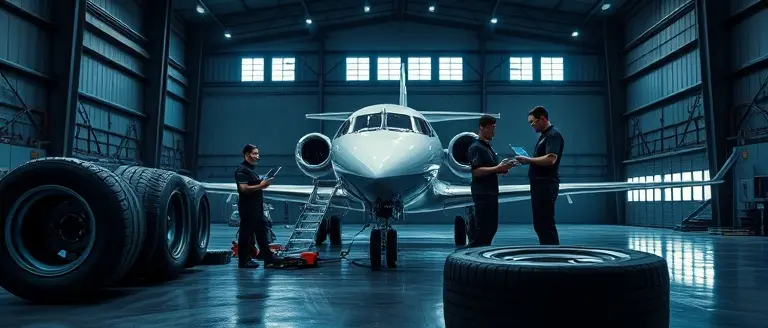
The logistical operation behind Katherine Legge’s historic attempt to complete “The Double” is a masterpiece of precision engineering and project management. Transporting a driver from the Indianapolis Motor Speedway to Charlotte Motor Speedway in a single day—roughly 400 miles apart—requires more than just speed; it demands millisecond coordination. The primary logistical hurdle involves a high-speed transit window, utilizing a pre-cleared private aviation corridor to bypass commercial air traffic, ensuring Legge moves from the IndyCar cockpit to the NASCAR stock car with minimal downtime.
Precision Transport and Physiological Recovery
The transition process is heavily reliant on an elite support team that functions with the efficiency of a pit crew. During the flight between Indianapolis and Charlotte, the priority shifts from raw speed to physiological recovery. Experts emphasize that the rapid transition from the high-G environment of an IndyCar to the heavy, heat-intensive atmosphere of a Cup Series car creates significant physical strain. Legge’s protocol during this transit includes:
- Active Cooling Systems: Utilizing specialized thermal gear to regulate core body temperature immediately after exiting the Indy 500.
- Rapid Hydration and Nutrient Delivery: Intravenous and targeted liquid-based recovery to combat the extreme electrolyte depletion associated with over 1,000 miles of high-stakes racing.
- Neural Re-Calibration: Specialized cognitive drills designed to help her adapt to the radically different vehicle dynamics, braking distances, and steering feedback between the two chassis types.
Beyond the physical, the team must manage the mechanical coordination of two distinct race programs. Because Legge is managing vehicles with different tire compounds, downforce configurations, and engine responses, the support staff must facilitate seamless, real-time data handoffs. This ensures that when she arrives in Charlotte, the setup is optimized not just for the track conditions, but for the specific fatigue profile she will be carrying after the rigors of the Indianapolis 500. Every second saved during this transit is a second Legge can utilize to find her rhythm in the Coca-Cola 600, marking a new frontier for women in endurance racing.
The Athlete’s Edge: Katherine Legge’s High-Intensity Conditioning

Preparing for the grueling May 24, 2026, double-header requires more than just seat time; it demands an elite level of physiological mastery. Katherine Legge has implemented a specialized training regimen to handle the distinct biomechanical stressors of the Indianapolis 500 and the Coca-Cola 600. While an IndyCar places heavy, sustained stress on the neck and core due to immense cornering G-forces, the NASCAR stock car requires greater upper-body endurance to muscle a heavier, less aerodynamic machine through a longer, 600-mile endurance test.
Training for Dual Architectures
Legge’s conditioning focuses on high-intensity interval training (HIIT) coupled with specific isometric exercises to withstand the varied physical demands of these two racing disciplines. Key elements of her preparation include:
- Neck Strengthening: Utilizing weighted resistance bands and specialized harness devices to simulate the multi-directional G-loads encountered at both Indianapolis Motor Speedway and Charlotte Motor Speedway.
- Heat Acclimation: Spending hours in sauna-like conditions to replicate the cockpit temperatures, which can exceed 130 degrees Fahrenheit, ensuring her cardiovascular system remains efficient throughout 1,100 total miles of racing.
- Cognitive Flexibility: Employing neuro-cognitive training drills to maintain sharp reaction times despite extreme physical fatigue. This mental conditioning is crucial for the transition phase, allowing her to recalibrate her brain for the vastly different braking points, shifting patterns, and steering weights required for the stock car compared to the open-wheel racer.
By integrating these strategies, Legge is mitigating the risk of mid-race muscle fatigue, which is often the primary cause of driver error in long-distance endurance events. Her focus on anaerobic threshold training ensures she can maintain peak performance levels even as her heart rate remains elevated for hours, providing her the physical resilience necessary to make history as the first woman to complete this legendary motorsport challenge.
Race Day Command Center: A Viewer’s Guide for May 24

Witnessing Katherine Legge attempt the historic “Double” requires a strategic approach for any dedicated motorsport fan. On Sunday, May 24, 2026, the logistical clock begins at the Indianapolis Motor Speedway. With Legge starting 27th in the Indy 500, her focus will be on navigating the chaotic mid-pack traffic early in the 200-lap race. Fans should keep a close eye on the NBC broadcast and the official IndyCar app’s real-time telemetry, which allows you to track her throttle usage and braking points specifically to monitor if she is saving the car for the grueling transition ahead.
The Transit Window and Broadcast Tracking
The logistical challenge hinges on the “transit window” immediately following the checkered flag in Indianapolis. Once she exits the cockpit, Legge will be whisked via private aircraft to Charlotte Motor Speedway for the Coca-Cola 600. To keep pace with her progress, we recommend utilizing the following viewer tactics:
- Broadcast Synchronization: Keep FOX (NASCAR) and NBC (IndyCar) streaming side-by-side on secondary devices. While the Indy 500 concludes, the NASCAR pre-race coverage will provide updates on her flight status and expected arrival time at the track.
- Official Timing and Scoring: Use the NASCAR mobile app to track her team’s entry in the Coca-Cola 600. Look for her car number on the entry list to ensure her pit crew is set for a rapid driver change or immediate integration.
- Social Media Hubs: Follow the live feeds of her primary racing team’s PR accounts. These channels are the primary source for “wheels up” updates and ground-transportation status, which often move faster than traditional broadcast updates.
Managing this back-to-back schedule demands extreme endurance, and for the viewer, it demands a high-tech setup. Ensure your devices are charged and your streaming apps are updated, as following Katherine Legge through the most ambitious day in professional racing history requires constant vigilance across both major American motorsport platforms.
Fueling Your Own Peak Performance
Katherine Legge’s pursuit of ‘The Double’ serves as a stark reminder that true endurance isn’t just about willpower; it is about maintaining a finely-tuned metabolic engine under extreme, sustained pressure. Whether you are navigating the high-stakes demands of a professional career or pushing your physical limits in the gym, the ability to sustain consistent energy levels without the crash of harsh stimulants is the true secret to longevity.
Maintaining peak physical performance across two of the most grueling races in motorsport requires more than just standard cardio; it requires a metabolic strategy designed for recovery and output. This is where CitrusBurn becomes a game-changer. By leveraging science-backed metabolic optimization, CitrusBurn helps you bridge the gap between high-intensity demands and sustained vitality, allowing you to sustain all-day energy levels just like a professional endurance athlete.
If you are ready to stop fighting fatigue and start fueling your most demanding days with precision, CitrusBurn offers the metabolic support necessary to unlock your potential. Stop settling for mid-day slumps and begin optimizing your body for the performance levels you demand from your life.
 Learn how to optimize your own metabolic performance to fuel your most demanding days just like professional endurance athletes.Transform My Energy Today!