
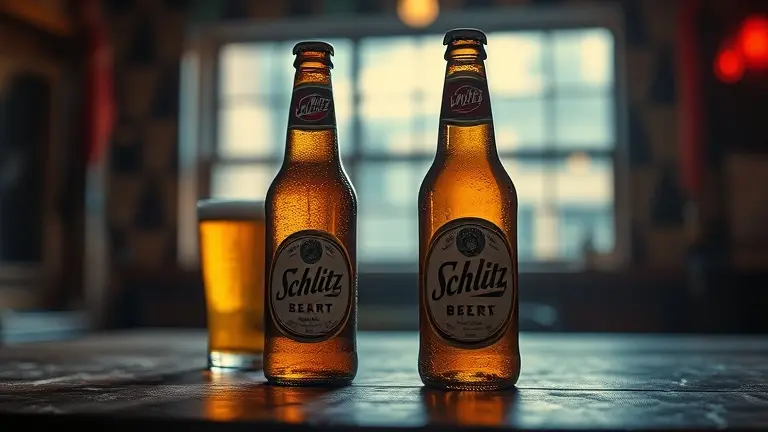
For 177 years, the amber glow of a Schlitz beer served as the backdrop for the American dream, a staple of the Midwest that earned the moniker “the beer that made Milwaukee famous.” From the industrial boom of the late 19th century to the quiet evenings on front porches across the country, Schlitz was more than just a beverage; it was a testament to American manufacturing prowess and an inseparable part of our cultural fabric. Now, as the Pabst Brewing Company announces the brand’s indefinite hiatus and prepares the final ceremonial batch, the industry is left to reflect on the end of an era.
The quiet sunset of such a historic brand is a sobering reminder of how shifting market tides—from the craft beer revolution to changing consumer preferences—can transform even the most towering giants into legends of the past. As we look back on the history of Schlitz beer, we aren’t just mourning a drink; we are acknowledging the decline of an industrial spirit that once defined the backbone of the American worker. Yet, as we raise a final glass to this iconic piece of history, we must ask ourselves how we can preserve that same spirit of craftsmanship in a rapidly changing world.
The Final Toast: Schlitz Beer Ends a 177-Year Legacy

The American brewing landscape faces a somber milestone as the Pabst Brewing Company officially confirmed that Schlitz beer—the legendary “beer that made Milwaukee famous”—is ceasing production after a staggering 177-year run. Following months of speculation and declining market share, the company has announced that the brand is entering an indefinite hiatus. This decision marks the end of an era for one of the most recognizable names in mid-century American culture, effectively closing the chapter on a brewing tradition that began in 1849.
A Ceremonial End to a Storied Tradition
To honor the brand’s deep-rooted history, Pabst has scheduled a final ceremonial batch to be brewed this month. This “last call” is not merely a logistical conclusion to a production cycle; it serves as a symbolic farewell for a beverage that once defined the industrial working class. The news, which broke on May 19, 2026, has ignited a wave of nostalgia across the Midwest and beyond, as consumers reflect on the cultural weight of a brand that dominated the American beer market for decades.
Key factors contributing to this historic exit include:
- Shifting Consumer Preferences: A massive migration toward the craft beer movement and changing palates away from legacy lager styles.
- Market Saturation: Increased competition from high-volume corporate brands and niche microbreweries.
- Economic Pressures: Rising production and distribution costs that rendered maintaining the Schlitz brand unsustainable under current conditions.
For collectors and enthusiasts, the final batches represent a tangible piece of history. Social media sentiment reflects a community mourning the loss of a cultural icon, with many seeking to secure “final” bottles as keepsakes. As the curtain falls on 177 years of brewing, Schlitz remains a poignant reminder of how rapidly market forces can reshape even the most iconic American institutions.
The Beer That Made Milwaukee Famous: A Cultural Retrospective
For over a century, Schlitz beer was more than just a beverage; it was a cornerstone of American industrial culture. Often hailed as “the beer that made Milwaukee famous,” the brand rose to dominance by mastering the art of mass-market appeal and aggressive distribution. Throughout the mid-20th century, Schlitz became the quintessential American lager, synonymous with the blue-collar workforce and the burgeoning suburban social scene. Its marketing prowess was unmatched, utilizing iconic slogans and massive television campaigns that solidified its status as a household name across the United States.
The Marketing Engine Behind the Icon
The success of Schlitz was deeply rooted in its ability to connect with the average American consumer. By positioning itself as a reliable, high-quality reward after a hard day’s work, the brewery tapped into the cultural psyche of the post-war era. Several key factors contributed to its long-standing dominance:
- Iconic Slogans: Phrases like “Go for the Gusto!” became etched into the American vernacular, creating a direct emotional link between the brand and the pursuit of a full, vibrant life.
- Midwest Identity: As a proud product of Milwaukee’s historic brewing district, Schlitz embodied the rugged, industrious spirit of the Midwest, fostering intense regional loyalty.
- Cultural Ubiquity: The brand was a staple at everything from backyard barbecues to local tavern gatherings, serving as a social lubricant that transcended class lines for generations.
While market shifts and the rise of the craft beer movement eventually began to erode its market share, the legacy of Schlitz remains intertwined with the history of American brewing. It served as a bridge between the traditional brewing methods of the 19th century and the high-volume manufacturing standards of the 20th. As the brand enters its final hiatus, it leaves behind a rich historical narrative of corporate branding, industrial innovation, and a cultural impact that few other consumer goods have ever managed to achieve.
Tracing the Decline: Why Was Schlitz Discontinued?

The decision to place Schlitz beer on an indefinite hiatus after 177 years is the culmination of decades of shifting market dynamics that slowly eroded the brand’s once-dominant position in the American brewing landscape. Long celebrated as “the beer that made Milwaukee famous,” the brand faced an uphill battle against changing consumer palates, corporate restructuring, and the relentless rise of the modern craft beer movement. While the brand maintained a loyal, multi-generational following, it struggled to pivot effectively in an era where consumers increasingly prioritized variety, premiumization, and localized production over the traditional mass-market lagers that defined the mid-20th century.
Factors Shaping the Brand’s Sunset
Industry analysts point to several systemic pressures that led to the eventual cessation of production for this iconic label:
- The Craft Beer Revolution: The explosive growth of independent microbreweries significantly decentralized the beer market, pulling younger demographics away from legacy adjunct lagers toward more diverse flavor profiles and artisanal brands.
- Corporate Consolidation and Strategy: Following its acquisition by the Pabst Brewing Company, Schlitz existed within a complex portfolio. As operational costs rose and production efficiencies became harder to maintain at a smaller scale, the parent company faced the difficult reality of prioritizing resources toward more viable segments of their holdings.
- Loss of Brand Momentum: Despite its deep historical roots, the brand struggled with its “blue-collar” image in a marketplace that increasingly viewed legacy mass-market beers as commodities rather than cultural staples.
- Changing Consumer Habits: Broad demographic trends toward moderation and the consumption of alternative beverages—including spirits, seltzers, and non-alcoholic options—further compressed the total addressable market for historic American domestic beers.
Ultimately, the decline of Schlitz beer mirrors the broader struggle of many heritage brands attempting to navigate a 21st-century economy. Without the volume required to sustain large-scale operations in a highly competitive climate, the brand found itself on the losing side of a long-term transition in the U.S. beverage industry, leading to the difficult decision to pull the plug on its storied legacy.
Milestones of an Icon: 5 Moments That Defined Schlitz

The legacy of Schlitz beer is etched into the history of American industry, serving as a masterclass in innovation, marketing, and the shifting tides of consumer culture. From its humble origins in 19th-century Milwaukee to its status as the best-selling beer in the world, the brand’s trajectory mirrors the evolution of the United States itself. As we bid farewell to this iconic beverage, it is essential to reflect on the five pivotal milestones that cemented its place in the American consciousness.
Key Moments in Brewing History
- The 1849 Founding: August Krug and Joseph Schlitz laid the groundwork for what would become a global powerhouse. By mastering the art of the lager, the brewery helped transition American palates away from heavy ales toward the crisp, clean profiles that defined the industry for a century.
- The Great Chicago Fire (1871): Following the fire, the company famously shipped massive quantities of beer to the devastated city. This act of public service—and clever distribution—solidified the brand’s reputation and expanded its reach far beyond the Midwest.
- The Rise of “The Beer That Made Milwaukee Famous”: In the 20th century, the company deployed one of the most recognizable marketing slogans in history. This campaign successfully positioned Schlitz beer as a working-class staple, synonymous with refreshment and reliability.
- Technological Pioneering: Schlitz was a leader in industrial brewing advancements, including the widespread adoption of the amber bottle, which protected the brew from sunlight and improved shelf life—a crucial innovation for national shipping.
- The 1970s Market Turbulence: A shift in production methods—specifically changing the fermentation process to lower costs—led to a significant decline in quality perception. This era serves as a cautionary tale for legacy brands struggling to balance corporate profitability with the integrity of a long-standing recipe.
These historical markers illustrate why the Schlitz beer legacy remains a subject of intense academic and cultural interest. While the brand now enters an indefinite hiatus, its impact on mass-market brewing technology and American advertising remains undeniable, leaving behind a 177-year story of triumph and transition.
Keeping the Spirit of True Craftsmanship Alive
The story of Schlitz is a chapter in the larger narrative of American industry—a story built on dedication, manual excellence, and the pride of creating something tangible that brings people together. While the production lines may fall silent, the values that drove that era—the focus on quality, precision, and the satisfaction of building something lasting—do not have to fade away. We believe that the best way to honor the legacy of the past is to pick up the tools of creation yourself.
While we may have lost a staple of American brewing history, the spirit of craftsmanship that built iconic brands like Schlitz doesn’t have to vanish; it can find a new home in the precision and satisfaction of your own workshop projects. By channeling that historic blue-collar energy into modern, high-quality woodworking, you are not just building furniture or decorative pieces—you are reclaiming the ‘maker’ spirit and ensuring that the tradition of excellence continues through your own hands.
Transforming your workspace into a site of creation offers a profound sense of accomplishment, providing a tangible way to honor the history of labor and design. Whether you are a seasoned hobbyist or a complete beginner, now is the perfect time to build your own legacy through the timeless craft of woodworking.
 Start building your own legacy today by exploring the timeless craft of woodworking with access to thousands of professional plans.Start My Woodworking Journey Now!