
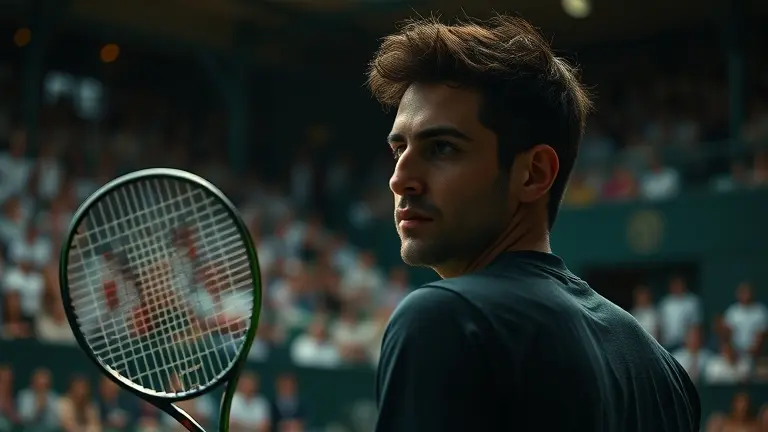
The tennis landscape shifted seismically on May 19, 2026, as World No. 2 Carlos Alcaraz announced his withdrawal from both the French Open and Wimbledon. Following a persistent wrist tendon injury sustained at the Barcelona Open, the two-time Wimbledon champion’s absence leaves a gaping vacuum in the grass-court season, forcing both fans and analysts to confront the fragility of a high-octane playstyle in the modern game.
This withdrawal is more than a missed tournament; it is a critical inflection point for the ATP tour. As major outlets like CBS Sports and Forbes report, the narrative is no longer just about the physical recovery of a young star, but about the long-term sustainability of aggressive, baseline-dominated tennis. With Jannik Sinner now assuming the mantle as the undisputed favorite for the title, the vacuum left by Alcaraz sparks urgent questions: Can the younger generation withstand the sheer physical toll of their own intensity, and what happens to the competitive psyche when the lights go out for a season?
The 2026 Withdrawal: Carlos Alcaraz Bids Farewell to Wimbledon and Roland Garros
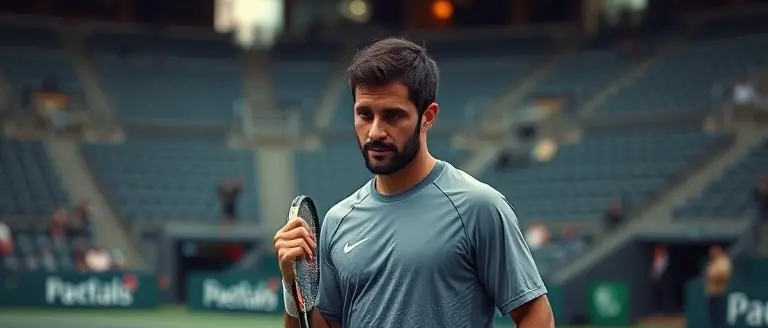
In a move that has sent shockwaves through the sporting world, Carlos Alcaraz officially announced his withdrawal from both the 2026 French Open and the upcoming Wimbledon 2026 championships. The announcement, confirmed on May 19, 2026, stems from a persistent wrist tendon injury originally sustained during a grueling match at the Barcelona Open this past April. Despite extensive efforts by his medical team to rehabilitate the area, the current world No. 2 has opted for a cautious approach to preserve his long-term health, effectively ending his clay and grass-court campaign for the season.
The gravity of this decision cannot be overstated. As a two-time Wimbledon champion who has consistently reached the final stages of major tournaments over the last three years, the absence of alcaraz creates a significant vacuum in the competitive hierarchy of the ATP Tour. Major outlets, including the Associated Press and CBS Sports, have characterized the news as a massive shakeup that alters the trajectory of the entire 2026 tennis calendar.
Why the Injury News Matters
The impact of this withdrawal extends beyond a single tournament cycle, affecting several critical aspects of professional tennis:
- Ranking Pressure: With his inability to defend significant points at Roland Garros and the All England Club, Alcaraz faces a precarious drop in the world rankings, potentially allowing world No. 1 Jannik Sinner to solidify his position at the top.
- Medical Longevity: The choice to skip the French Open and Wimbledon highlights the severity of wrist tendon injuries, which are notoriously difficult for aggressive baseline players who rely on extreme spin and high-velocity groundstrokes.
- Tournament Landscape: Without the Spanish superstar in the draw, the race for the title at Wimbledon 2026 is now wide open, inviting new narratives and intense competition among the remaining top-seeded contenders.
This development has left fans and analysts questioning whether the physical demands placed on the modern “next-gen” stars are becoming unsustainable. As the tennis community processes the heartbreak of his absence, the focus remains on whether this forced sabbatical will provide the necessary recovery time for the 23-year-old talent to return to his elite, explosive form.
Shift in Power: Redefining the Contenders at Wimbledon 2026
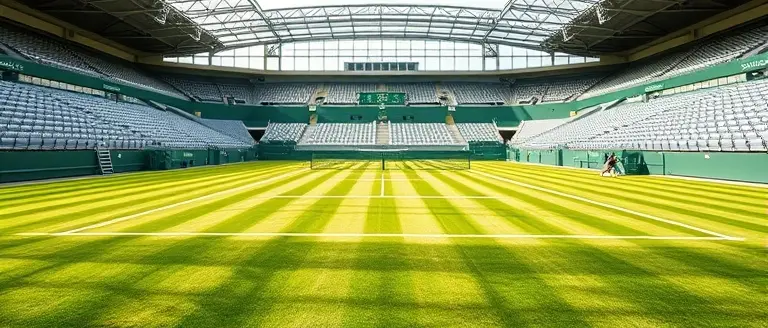
The official withdrawal of Carlos Alcaraz from the Wimbledon 2026 tournament due to a wrist tendon injury creates an unprecedented vacuum in the men’s draw. As a two-time champion and arguably the most dangerous player on grass, his absence fundamentally alters the tournament hierarchy. The world No. 2, who has been a perennial finalist over the last three years, leaves behind a massive void that shifts the narrative from a battle of titans to an unpredictable scramble for the title. With Alcaraz sidelined, the pressure now shifts entirely to Jannik Sinner, who occupies the world No. 1 ranking and now enters the grass-court season as the undisputed tournament favorite.
The New Contender Landscape
The absence of alcaraz necessitates a recalculation of the competitive landscape. Without his unique blend of power and movement, the betting markets and analytical models are adjusting to a draw that is suddenly wide open. Key implications of this withdrawal include:
- Jannik Sinner’s Path: As the current world No. 1, Sinner faces increased expectations. The lack of a direct clash with Alcaraz simplifies his path through the draw but places a target on his back as the man to beat.
- Draw Volatility: The bottom half of the draw, where Alcaraz was expected to anchor, now becomes a battleground for dark-horse contenders and seasoned grass-court specialists who will capitalize on the thinning field.
- ATP Ranking Shifts: Without the potential points available from a deep run at the All England Club, Alcaraz faces a significant risk of losing further ground in the ATP rankings, tightening the race for the year-end No. 1 spot.
- Tactical Adjustments: The absence of the Spaniard’s elite return game and shot-making variability forces other top-tier players to adjust their defensive strategies against opponents they may have expected to face differently later in the tournament.
For tennis analysts and fans, this marks the most significant shakeup to the Wimbledon 2026 landscape in years. While the tournament remains a premier event, the loss of its most dynamic star necessitates a new strategy for both organizers and fellow competitors, as the tour prepares to navigate a summer defined by this unforeseen tactical uncertainty.
Anatomy of an Injury: Why Wrist Tendonitis Challenges Modern Baseline Players

The withdrawal of Carlos Alcaraz from the Wimbledon 2026 championships highlights a growing concern in professional tennis: the physical toll of modern, high-spin baseline play. For a player like Alcaraz, whose game relies on extreme racquet-head speed and heavy topspin, the wrist serves as the primary fulcrum for every aggressive groundstroke. Sports medicine experts note that wrist tendonitis is particularly debilitating for this style of play because the repetitive, explosive snapping motion required for heavy spin places intense, focused stress on the triangular fibrocartilage complex (TFCC) and the surrounding tendons. Unlike leg or back injuries, which can sometimes be managed through tactical adjustments, a compromised wrist directly degrades the precision and power that define a world-class player.
Long-term Implications for Career Longevity
The decision to bypass both the French Open and Wimbledon 2026 suggests that both Alcaraz and his medical team are prioritizing long-term career health over short-term accolades. This shift toward conservative rehabilitation reflects a broader trend among elite athletes who recognize that rushing back from repetitive-motion injuries often leads to chronic, career-shortening conditions. By choosing a protracted recovery path, the world No. 2 is likely attempting to avoid surgical intervention, which can permanently alter a player’s “feel” for the ball. Key factors influencing this recovery timeline include:
- Load Management: The need to completely neutralize the inflammatory response before returning to high-intensity training.
- Technical Adaptation: Potential adjustments to his grip or swing path to reduce future strain on the wrist joint.
- Preventative Biomechanics: Strengthening the kinetic chain—specifically the shoulder and forearm—to ensure the wrist is not forced to bear the brunt of every swing.
As the ATP tour continues to feature faster courts and more demanding schedules, the case of alcaraz serves as a cautionary tale for the younger generation. The pressure to maintain a relentless pace of play, while physically impressive, creates an environment where structural vulnerabilities can lead to significant disruptions in a player’s career trajectory. While fans mourn his absence at the All England Club, the focus remains on whether this deliberate rest period will successfully prevent a recurring issue that could otherwise plague his prime years.
Future Projections: Managing Career Longevity in an Intense ATP Circuit
The decision by Carlos Alcaraz to withdraw from the 2026 Wimbledon Championships serves as a sobering reminder of the physical toll exacted by the modern ATP tour. For an athlete whose game is built upon explosive movement, high-velocity groundstrokes, and an aggressive baseline style, a chronic wrist tendon injury is particularly concerning. Medical experts often categorize such injuries as “career-defining” for power players, as they frequently stem from the repetitive, high-torque nature of modern tennis, where players frequently generate extreme racquet head speed. By choosing to step away now, Alcaraz and his team are prioritizing long-term durability over the short-term prestige of a Grand Slam title.
Balancing Intensity with Sustainability
The current landscape of professional tennis leaves little room for recovery, creating a “survival of the fittest” environment that often punishes the most dynamic competitors. Analysts have expressed serious concerns regarding the unsustainable nature of the current calendar, specifically for young stars who carry the weight of the tour’s marketing and viewership. To ensure his career remains viable for the next decade, Alcaraz must undergo a fundamental shift in how he approaches his schedule and training load.
Critical factors for his future success include:
- Load Management: Transitioning to a more selective tournament calendar to prioritize the largest events and mandatory Masters 1000s.
- Technique Adjustments: Potentially modifying the biomechanics of his heavy-topspin forehand to reduce the acute stress placed on his wrist tendons.
- Recovery Integration: Investing in advanced sports science and preventative conditioning protocols to mitigate the repetitive strain caused by high-intensity matches.
While the loss of the world No. 2 from the grass-court season is a massive blow to the sport, this tactical withdrawal may be the exact move needed to prevent a more permanent, season-ending complication. If Alcaraz can effectively manage his recovery, he remains well-positioned to return to his dominant form. However, this incident serves as a clear signal to the ATP that the rising frequency of injuries among the sport’s elite is a systemic issue requiring immediate attention to protect the future of the game.
The Silent Battle: Cognitive Resilience Beyond the Court
As the tennis world recalibrates in the wake of Carlos Alcaraz’s withdrawal, the focus inevitably shifts to the mechanics of his recovery. Yet, for an athlete of his caliber, the greatest challenge often lies not in the physical rehabilitation of a wrist tendon, but in the psychological discipline required during such a prolonged silence. The true X-factor in returning to elite form is maintaining cognitive sharpness, ensuring that when the body is ready, the mind remains battle-hardened and focused.
This is where cognitive conditioning becomes the ultimate differentiator for high-performers. If you are navigating your own setbacks or simply striving to maintain an elite level of focus amidst life’s high-pressure demands, you cannot afford to let your mental edge dull. The Brain Song offers a neuroscience-backed pathway to manage cognitive fatigue, utilizing auditory stimulation to help you sustain mental clarity and peak performance even when you cannot maintain your usual routine.
By integrating these principles into your daily life, you are not just waiting for recovery; you are actively optimizing your mental capacity. It is the natural next step for anyone who understands that resilience is a practice, not just a trait. Discover how the same neuroscience principles used by elite performers to maintain focus can help you optimize your cognitive recovery—click here to start your 12-minute daily routine.
 Discover how the same neuroscience principles used by elite performers to maintain focus can help you optimize your cognitive recovery—click here to start your 12-minute daily routine.Yes, I Want to Sharpen My Focus Now!