
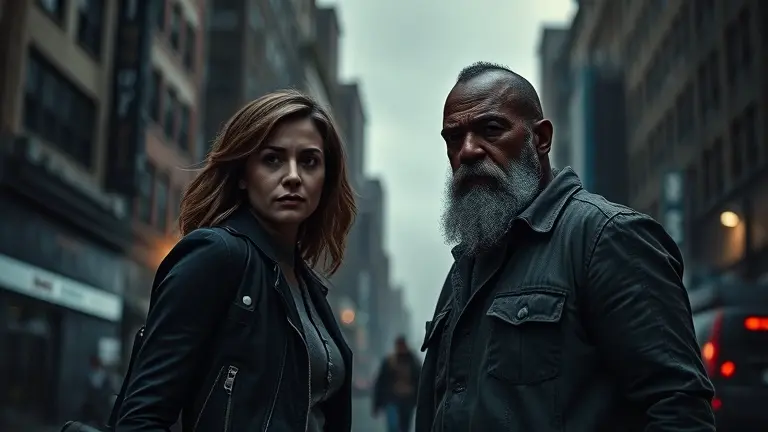
The streets of Manhattan are set to become the ultimate testing ground for survival as The Walking Dead: Dead City returns for its highly anticipated third season on July 26, 2026. After years of nomadic survival, the narrative shift toward Maggie and Negan as community architects marks a definitive turning point for the franchise. The recent teaser confirms that the focus has evolved from mere avoidance of the undead to the complex, logistical nightmare of establishing a permanent, thriving settlement amidst the steel skeletons of a ruined New York City.
This shift from the rural, agrarian-focused settlements of previous Walking Dead iterations to the vertical, resource-scarce environment of Manhattan presents a fascinating puzzle. How will these two former enemies manage the structural demands of urban reconstruction? This pre-premiere analysis explores the intersection of character growth and the practical necessities of building a future, examining whether the Maggie-Negan dynamic can withstand the weight of their own ambitions to build something lasting in a world that refuses to die.
The Walking Dead: Dead City Season 3: Official Release and What We Know

The anticipation for the return of The Walking Dead: Dead City has reached a fever pitch, with AMC officially confirming that Season 3 is set to premiere on July 26, 2026. This announcement follows the recent drop of an action-packed promotional teaser, which provides a definitive look at the next chapter for the franchise’s most volatile duo: Maggie Rhee (Lauren Cohan) and Negan Smith (Jeffrey Dean Morgan). As the series settles back into the decaying, claustrophobic landscape of post-apocalyptic Manhattan, viewers can expect a narrative pivot from mere survival to the complex logistical and political challenges of reconstruction.
A New Era of Community Building
Unlike the rural settings that defined the original series—such as the farmland of the Greene family or the walls of Alexandria—Dead City presents a unique challenge: urban restoration. The latest marketing assets emphasize a significant shift in the show’s core premise, moving away from past vendettas toward a precarious, forced cooperation. Key takeaways from the latest production updates include:
- Strategic Cooperation: The teaser suggests that Maggie and Negan are finally attempting to bury their history to establish a viable settlement amidst the ruins of New York City.
- Manhattan’s Hazards: The show continues to capitalize on the verticality and isolation of the island, creating a setting where resources are scarce and the walker density is extreme.
- Character Trajectory: Season 3 promises to test whether these two characters can evolve from enemies into “community architects” without reverting to their darker impulses.
Evidence suggests that this season will prioritize the emotional toll of their uneasy alliance. While the franchise has explored community-building in the past, the logistical hurdles of managing a population in a decimated metropolitan environment introduce a layer of desperation that differentiates this entry from the broader The Walking Dead universe. As we approach the July 26 launch, the primary hook remains the evolving, often antagonistic, relationship between Maggie and Negan as they face the reality of building a future in a city that seemingly refuses to let them survive.
Maggie and Negan: A Fragile Alliance Faces New Tests

The core narrative engine of The Walking Dead: Dead City has always been the volatile, high-stakes partnership between Maggie Rhee and Negan Smith. As the series approaches its Season 3 premiere on July 26, 2026, their dynamic is shifting from one of reactive survival to proactive civilization-building. This transition represents a significant evolution in their relationship, as the characters move beyond their shared history of trauma—rooted in the brutal death of Glenn Rhee—toward a functional, albeit strained, cooperation necessitated by the hostile environment of Manhattan.
From Survivalists to Architects
The promise of building a “thriving community” within the urban decay of New York City introduces a new layer of friction. Unlike the rural, fortified setups of Alexandria or the bureaucratic sprawl of the Commonwealth, Manhattan poses unique logistical hurdles that require absolute coordination. Fans can expect the following thematic developments in Season 3:
- The Burden of Leadership: Maggie and Negan must now reconcile their vastly different philosophies on governance and authority.
- Trust Calibration: With a collective goal on the horizon, the characters must navigate the fine line between strategic alliance and deeply ingrained personal resentment.
- The Weight of History: Their past continues to act as a catalyst for conflict, serving as a reminder that their partnership is built on the necessity of survival rather than genuine reconciliation.
Evidence from recent promotional teasers suggests that while the two have “put aside their differences,” the psychological scars remain. Their cooperation is not born of forgiveness, but of an unspoken pact to preserve the remnants of society in an unforgiving cityscape. This ongoing tension remains the primary hook for the audience, ensuring that even as they work toward a common future, the threat of their explosive past looms over every decision they make in Dead City.
Building a Future: The Manhattan Community-Building Arc
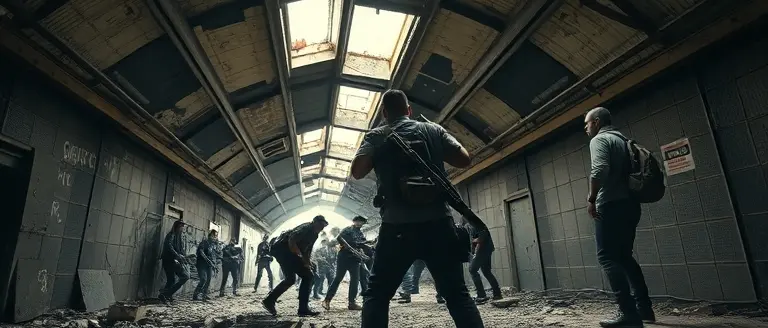
The narrative trajectory of The Walking Dead: Dead City is set for a massive paradigm shift in Season 3. Moving away from the gritty, revenge-fueled escapades of previous installments, the upcoming season—premiering July 26, 2026—focuses on the arduous task of establishing a permanent sanctuary in the heart of post-apocalyptic Manhattan. Unlike the expansive rural settlements of The Walking Dead flagship series, such as the pastoral Alexandria or the rigid class structure of the Commonwealth, Manhattan presents a uniquely claustrophobic and vertical set of survival challenges.
Logistical Challenges of an Urban Sanctuary
Establishing a thriving community in a crumbling metropolis introduces distinct variables that fundamentally alter the survival stakes for Maggie and Negan. The verticality of the island forces the characters to rethink resource management, agricultural sustainability, and defense. Key logistical hurdles include:
- Resource Scarcity: Unlike rural areas, Manhattan lacks arable land, necessitating innovative hydroponic systems or dangerous supply runs into zombie-infested subways.
- Containment and Defense: High-density architecture provides both vantage points and death traps, making the “thriving community” vulnerable to being swarmed from multiple floors simultaneously.
- Infrastructure Decay: The protagonists must navigate the structural instability of Manhattan’s aging skyscrapers, turning the environment itself into a primary antagonist.
This shift in scope forces a character evolution for our leads. Maggie and Negan are moving from survivalist rivals to pragmatic architects. Their tenuous alliance, which has historically been defined by past traumas, is now underpinned by the collective necessity of building a future. As evidence from the latest teaser suggests, the “community-building” arc is not merely a subplot; it is the central mission that tests whether these two fractured individuals can truly transcend their history to foster civilization in a concrete jungle that seems designed to destroy it.
Expectations vs. Reality: Surviving the Concrete Jungle

As The Walking Dead: Dead City prepares for its July 26, 2026, premiere, the narrative shift from frantic escape to structured governance represents a bold departure for the franchise. Season 3 forces Maggie and Negan to confront the logistical nightmares of post-apocalyptic Manhattan, a setting that dictates survival rules far removed from the rural expanses of Alexandria or the gated bureaucracy of the Commonwealth. Unlike previous settlements, a thriving community in New York faces unique environmental stressors:
- Verticality Risks: Unlike open-field defensive walls, Manhattan’s skyscrapers create multi-tiered traps where “walkers” can be effectively funneled—or become inescapable hazards.
- Density Issues: Managing limited resources in a concrete labyrinth requires a shift from agricultural sustainability to high-density scavenging and infrastructure retrofitting.
- Infrastructure Decay: The reality of urban collapse means that the characters must contend with crumbling bridges, tunnels, and skyscrapers that demand specialized maintenance to prevent mass casualties.
The Evolution of Maggie and Negan
Fans are rightfully skeptical about whether this unlikely duo can successfully transition into their roles as architects of society. The thematic weight of Season 3 rests on their ability to move beyond their volatile history. While their alliance has been forged in the crucible of survival, long-term governance requires a degree of empathy and structural planning that both characters have historically lacked.
Evidence suggests that this season will prioritize the mental toll of leadership. If they are to save Manhattan, they must prove they can lead without succumbing to the authoritarian tendencies that crippled previous leaders in the franchise. The expectation is not just survival, but the establishment of a thriving community capable of defying the very entropy that destroyed the rest of the world. By shifting the focus to urban management, Dead City positions itself as the most complex entry in the expanded universe to date.
Architecting Your Own Legacy in a Post-Apocalyptic World
As the premiere of The Walking Dead: Dead City Season 3 approaches this July 26, the stakes for Maggie and Negan have never been higher. Their transition from bitter rivals to the architects of a stable Manhattan settlement mirrors the universal human drive to carve order out of chaos. While they face the brutal realities of urban decay, the fundamental lesson remains clear: survival is not merely about holding a weapon, but about mastering the art of construction and creating infrastructure that stands the test of time.
Just as Maggie and Negan must master the art of construction to turn a crumbling Manhattan into a home, you can find that same level of technical precision in your own workshop. Whether you are aiming to fortify your own living space or simply want to master the craftsmanship of a true builder, the right blueprints make all the difference. Stop struggling with vague ideas and start building with the exact technical certainty that turned civilizations into fortresses.
You don’t need to survive a walker apocalypse to appreciate the power of a solid, well-crafted structure. Bring the professional edge into your projects today with the ultimate resource for any builder. It is time to turn your vision into a physical reality with a foolproof, step-by-step approach to woodworking that guarantees professional results every single time.
 Ready to build your own thriving community? Access 16,000 professional woodworking plans and start your project today with total technical certainty.Transform My Life Today