
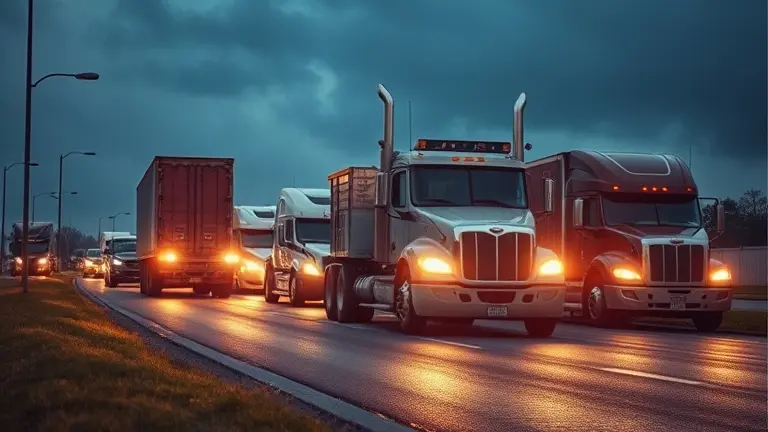
A collision involving a commercial semi-truck is not merely a high-stakes traffic incident; it is a complex legal crisis that fundamentally differs from the average passenger car accident. When an 18-wheeler is involved, the litigation landscape shifts immediately from standard insurance claims to a dense, technical battlefield governed by stringent Federal Motor Carrier Safety Administration (FMCSA) regulations. Many victims fall into the trap of retaining general counsel, unaware that the specific nuances of trucking liability—such as driver fatigue logs, black box data, and corporate maintenance negligence—require a highly specialized advocate who understands the anatomy of a commercial settlement.
In this guide, we demystify the specialized world of truck accident lawyers to help you distinguish between high-volume legal marketing and true litigation expertise. We delve into the data-driven realities of trucking accidents in 2026, exploring how specific regulatory violations serve as the bedrock of a successful claim. By prioritizing authoritative, evidence-based legal strategy over the thin, lead-gen content that currently dominates the search landscape, we empower you to demand the technical precision and accountability required to navigate this overwhelming process with confidence.
,slug:
Understanding the 2026 Truck Accident Landscape: Why Specialized Litigation Matters

The current landscape of commercial vehicle accidents in 2026 reveals a growing complexity that separates trucking litigation from standard car accident lawyers practices. Unlike a typical collision involving two passenger vehicles, a commercial truck accident involves a sophisticated web of federal oversight, multi-layered insurance policies, and rigorous corporate defense strategies. Victims often discover that the entities involved—ranging from the trucking carrier and the freight broker to the independent owner-operator and the maintenance contractor—each possess separate, often conflicting, insurance structures. Without legal counsel specifically trained in the nuances of truck accident lawyers litigation, victims risk settling for amounts that fail to account for long-term medical care or the true extent of corporate liability.
Navigating the Regulatory Framework
At the heart of any trucking lawsuit is the Federal Motor Carrier Safety Administration (FMCSA). These federal regulations govern everything from “Hours of Service” (HOS) logs to strict maintenance protocols for air brakes and electronic logging devices. Specialized legal teams understand how to perform forensic data recovery on a truck’s Electronic Control Module (ECM) to pinpoint whether a driver was fatigued, speeding, or operating an unmaintained vehicle.
Key reasons why generalized litigation fails in this niche include:
- Evidence Preservation: Trucking firms often move quickly to protect their interests; experts are needed to issue “spoliation letters” to preserve driver logs and dashcam footage immediately.
- Complex Liability: Determining if a crash resulted from driver negligence, improper loading practices, or mechanical failure requires technical expertise beyond standard traffic law.
- Insurance Disparities: Commercial policies carry significantly higher coverage limits, but insurers utilize aggressive tactics to minimize payouts through exhaustive defense discovery.
Victims navigating this environment must recognize that a routine personal injury attorney may lack the resources to challenge national trucking conglomerates. Specialized truck accident lawyers bridge this gap by leveraging data-backed evidence to hold responsible parties fully accountable under the law.
2026 Trucking Liability: Key Differences from Passenger Car Accidents

When victims seek out truck accident lawyers, they often mistakenly equate the process with standard car accident lawyers claims. However, legal experts emphasize that litigation involving 18-wheelers operates under an entirely different set of rules. The primary distinction lies in the complexity of liability; while a car crash typically involves two individual drivers, a commercial trucking incident often implicates a vast network of corporate entities. Beyond the driver, liability may extend to cargo loaders, vehicle maintenance providers, the trucking company itself, and even the manufacturer of defective parts.
Corporate Influence and Insurance Defense
The aggressive nature of commercial insurance defense teams represents a significant hurdle that distinguishes these cases from standard passenger vehicle disputes. Trucking companies often deploy “rapid response” teams to accident scenes, aiming to secure evidence or limit liability before a victim can even contact legal counsel. Unlike typical car accidents, which revolve around standard insurance policy limits, commercial litigation involves high-stakes insurance policies mandated by the Federal Motor Carrier Safety Administration (FMCSA). These carriers prioritize protecting their corporate assets, necessitating specialized legal strategies that go far beyond simple fault determination.
Key factors that elevate the complexity of these cases include:
- Regulatory Compliance: Trucking firms must adhere to strict Hours of Service (HOS) regulations. Violations of these rules can serve as primary evidence of negligence.
- Multi-Party Liability: Identifying all responsible parties—such as third-party logistics companies or loading docks—is essential for securing fair compensation.
- Black Box Data: Specialized attorneys must act quickly to preserve Electronic Logging Device (ELD) data, which provides critical telemetry information about speed, braking, and driver fatigue.
Successfully navigating these cases requires a deep understanding of federal transportation law. Relying on generalist representation often leaves victims vulnerable to insurance adjusters who are trained to downplay the severity of complex, multi-layered commercial claims.
Visualizing the Trends: Data on Annual Semi-Truck Accidents

Recent analysis from 2026 indicates a steady climb in commercial logistics activity across major US transit corridors. As supply chain demands intensify, the sheer volume of 18-wheelers on the road has necessitated a closer look at roadway safety statistics. When consumers search for information regarding how many truck accidents occur per year, they are often seeking to validate their own experiences against broader industry data. This search behavior—the desire for informational verification—serves as a primary indicator that the public is becoming increasingly aware of the complexities inherent in commercial motor vehicle operations. Unlike standard car accident lawyers who manage relatively straightforward negligence claims, specialized truck accident lawyers must navigate a landscape dictated by federal mandates, such as the FMCSA Hours of Service regulations, which directly influence accident probability and liability.
The Correlation Between Data and Legal Strategy
The correlation between rising annual accident figures and the demand for specialized legal counsel is statistically significant. When high-frequency accident zones emerge, legal inquiries spike, suggesting that claimants understand the difference between general civil litigation and the technical requirements of trucking liability. Specialized attorneys leverage this data to build robust cases, often focusing on:
- Electronic Logging Device (ELD) Discrepancies: Identifying potential violations of driver rest requirements that standard personal injury investigations might overlook.
- Commercial Insurance Policy Complexity: Navigating multi-tiered liability that involves the trucking company, the shipping broker, and the vehicle owner.
- Maintenance Logs: Scrutinizing the mechanical history of the semi-truck to determine if negligent maintenance contributed to a loss of control.
By transforming raw accident data into actionable legal strategies, experts can better serve victims. If you or a loved one are caught in the wake of this rising trend, it is crucial to seek counsel that understands the distinction between a typical collision and the high-stakes world of commercial trucking litigation. Understanding these trends is not merely an academic exercise; it is the first step in securing appropriate compensation and justice in a system where commercial entities are heavily insured and aggressive in their defense.
Frequently Asked Questions: Essential Evidence in Trucking Lawsuits

Navigating the aftermath of a commercial vehicle collision requires a clear understanding of legal procedures. If you are searching for truck accident lawyers, it is vital to understand that these cases are significantly more complex than standard car accident lawyers cases due to federal regulations and heavy insurance involvement. Most reputable firms offer free consultations, allowing victims to assess their legal options without upfront financial pressure. During these sessions, you should clarify how the firm handles evidence preservation, as trucking companies are notorious for purging data quickly following an incident.
What evidence is critical in a trucking lawsuit?
Unlike passenger vehicle collisions, trucking litigation relies heavily on specialized data governed by the Federal Motor Carrier Safety Administration (FMCSA). The following items are essential for building a robust case:
- Electronic Logging Device (ELD) Data: Often referred to as the “black box,” this records the truck’s speed, braking patterns, and compliance with Hours of Service (HOS) regulations.
- Driver Qualification Files: These documents reveal if the driver was properly vetted, trained, or had a history of past safety violations.
- Maintenance Records: Evidence of neglected repairs can establish that the motor carrier prioritized profit over public safety.
- Post-Accident Drug and Alcohol Testing: Regulatory requirements mandate specific timelines for testing that, if missed by the carrier, can bolster a liability claim.
How soon should I contact an attorney?
Timing is a critical factor. You should contact a specialized attorney immediately, ideally before providing any statements to insurance adjusters. Evidence in commercial accidents is fleeting; digital data from onboard sensors can be overwritten, and physical evidence at the scene can disappear. Engaging counsel early ensures that a spoliation letter is sent to the trucking company, legally requiring them to preserve all relevant evidence for your potential lawsuit.
Securing Your Future Through Structural Integrity
Navigating the aftermath of a catastrophic commercial vehicle collision requires more than just legal advice; it demands a forensic understanding of regulatory compliance and liability frameworks. By moving beyond generic legal services and focusing on specialized litigation, victims ensure that every detail—from Hours of Service logs to mechanical maintenance records—is leveraged to secure the compensation they deserve. True justice in the courtroom, much like excellence in craftsmanship, is never an accident; it is the result of applying a precise, proven methodology to complex problems.
This principle of structural precision is universal. Just as FMCSA regulations provide the rigorous framework necessary to resolve trucking disputes, your personal projects require the same level of exacting detail to avoid costly, frustrating errors. When you replace guesswork with a verified, step-by-step roadmap, you eliminate the risk of structural failure in your own work.
We recommend shifting your approach from reactive trial-and-error to proactive mastery. By utilizing a proven library of expert-tested plans, you ensure that every project is built on a foundation of technical certainty. This is the gold standard for anyone who values accuracy and reliability above all else.
 Download your comprehensive blueprint library today and remove the guesswork from your next project.Yes, I Want This Now!