
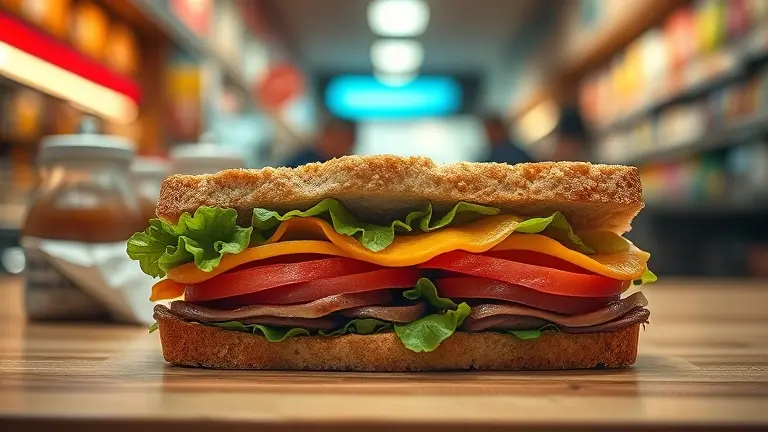
There is a growing silence in the lunch rush lines across America, and it is not because we are no longer hungry—it is because we are officially tired of the compromise. As legacy sandwich chains shutter hundreds of locations and prices for basic, pre-made convenience foods continue to soar, the average consumer is reaching a breaking point. From the viral backlash against subpar airline meals to the justified frustration over rising grocery costs, the narrative is shifting: we are paying more for less, and the ‘sandwich’ has become the accidental poster child for this economic disconnect.
Is your daily lunch actually worth the premium you are paying? When you break down the cost-per-ingredient against the quality provided, the answer is often a resounding ‘no.’ However, this moment of industry decline presents a unique opportunity. By embracing the ‘at-home’ hack—whether it is perfecting the craft of a $3 gourmet sandwich or rethinking how we furnish the kitchens where we prepare them—we can regain control. It is time to stop being victims of industry inflation and start mastering the art of high-quality, DIY living.
,slug:
The State of the American Sandwich: Why Value is Under Fire in 2026
The American sandwich market has hit a significant inflection point in mid-2026, characterized by a fundamental disconnect between consumer expectations and the reality of modern retail pricing. As legacy giants like Subway face unprecedented contraction—evidenced by the loss of over 700 US locations last year—it is clear that the traditional fast-food model is struggling to retain relevance. Consumers are increasingly scrutinizing the “value proposition” of their lunches, pushing back against a landscape where convenience no longer equates to quality or affordability.
The Erosion of Convenience and Trust
This skepticism reached a boiling point in May 2026, sparked by viral social media backlash regarding subpar airline meal quality. The incident served as a proxy for a broader public outcry against the declining standards of mass-produced, pre-made convenience food. This frustration extends to the grocery sector, where consumers have voiced significant discontent over the escalating costs of basic grab-and-go options, such as those found at Trader Joe’s. Key factors driving this shift include:
- Shrinking Footprints: The decline of legacy chains suggests that the “assembly-line” sandwich model has failed to innovate at a pace that justifies current price points.
- The Premium Pivot: Consumers are gravitating toward specialized, craft concepts—such as the burgeoning Filipino-style “Sanwits” scene in New York City—which offer a narrative of quality that mass-market chains cannot replicate.
- Inflationary Pressure: With grocery prices remaining volatile, the perceived value of a $6 to $10 pre-made sandwich has collapsed, forcing households to re-evaluate their dining habits.
Evidence suggests that the modern diner is no longer satisfied with standard deli fare. Instead, there is a measurable pivot toward menu innovations that prioritize fresh ingredients and culinary authenticity, such as Panera’s latest roll-based offerings. For the average American consumer, the sandwich is undergoing a transition: it is moving away from a convenient commodity and toward an intentional meal that must prove its worth against the rising tide of DIY kitchen alternatives.
The Death of the $5 Footlong: How Inflation Reshaped the Industry
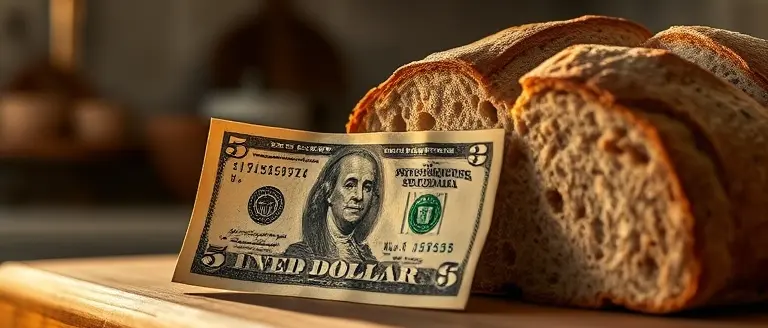
The era of the “five-dollar lunch” has officially become a relic of the past, leaving many American consumers feeling priced out of their midday sandwich routine. For years, legacy chains relied on aggressive loss-leader pricing to drive foot traffic, a strategy that crumbled under the weight of sustained grocery inflation and surging operational costs. As of mid-2026, the industry is witnessing a structural transformation; with Subway reporting a staggering net loss of 729 US locations over the previous year, it is evident that the “fast-and-cheap” model no longer resonates with a public increasingly wary of low-quality convenience options. When consumers weigh the rising price of a standard sub against its nutritional value, the economic anxiety is palpable.
Why Your Lunch Costs More Than Ever
The departure from affordable pricing is not merely a result of corporate greed but a complex convergence of supply chain vulnerabilities and labor shifts. Several factors contribute to why that sandwich you once grabbed for pocket change now exceeds most household budgets:
- Supply Chain Resilience: Increased costs for premium proteins and specialized breads have forced legacy brands to pass expenses directly to the consumer.
- Labor Realignment: As fast-food franchises struggle to retain staff, higher wage benchmarks are being baked into the unit price of every menu item.
- The Value Gap: Consumers are increasingly scrutinizing the quality-to-cost ratio, leading to a backlash against pre-made items—such as those found in grocery aisles—that fail to justify their price points compared to at-home DIY alternatives.
The Shift Toward Craft and Niche Alternatives
This economic vacuum has paved the way for a resurgence of specialized, artisanal concepts. Rather than fighting to compete on price, newer players like the viral Filipino-style ‘Sanwits’ outlets in NYC are prioritizing flavor profiles and ingredient integrity. This pivot suggests that the modern diner is willing to pay a premium, provided the product offers a distinct culinary experience that justifies the expense. Ultimately, the death of the legacy $5 model is forcing a return to quality, pushing consumers away from shrinking chains and toward either elevated, purpose-driven dining or the cost-effective mastery of the kitchen counter.
Is That $12 Grocery Store Sandwich Actually Worth It?
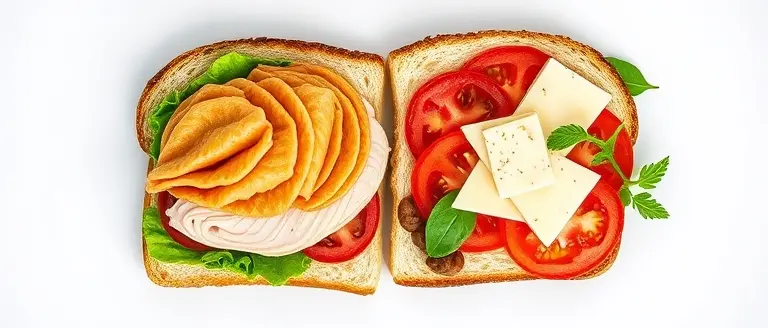
With grocery inflation impacting household budgets across the United States, the ubiquitous $12 pre-made sandwich has come under intense consumer scrutiny. While convenience is the primary selling point, the value proposition often collapses when compared to the actual cost of high-quality, at-home alternatives. To determine if your lunch is worth the premium, consider the “Hidden Cost of Convenience” framework, which factors in labor, markups for chilled shelf-life stabilization, and transportation overheads that grocery retailers pass directly to the consumer. Evidence suggests that you are often paying a 300% to 500% markup over raw ingredient costs for the privilege of immediate consumption.
Evaluating Quality Benchmarks
When assessing the worth of a pre-made meal, do not be distracted by attractive packaging. Instead, apply these professional quality benchmarks to justify the price:
- Meat-to-Bread Ratio: A balanced sandwich should prioritize protein. If bread comprises more than 60% of the volume, the product is essentially a high-markup bread roll rather than a meal.
- Produce Integrity: Look for signs of wilting in lettuce or moisture migration in tomatoes. If the vegetables appear limp, the chemical preservatives used to extend shelf life have already compromised the flavor profile.
- Condiment Quality: Industrial pre-made options often rely on low-cost, high-sodium emulsions. Authentic, craft-style sandwiches utilize fresh herbs, high-quality olive oil, or house-made spreads that justify a higher price point.
- Structural Composition: A premium product should feature a moisture barrier—such as a layer of cheese or toasted crust—to prevent the bread from becoming soggy during storage.
By moving toward a “DIY-assembly” model, where you purchase bulk deli meats and artisan loaves separately, most consumers can produce a superior version of their favorite sandwich for under $3 per serving. This shift not only bypasses the frustration of mediocre, overpriced store-bought options but also allows for total control over ingredient provenance, addressing the growing demand for higher-quality, transparent dining experiences in an inflationary economy.
The $3 Build: Crafting a High-Quality Lunch at Home
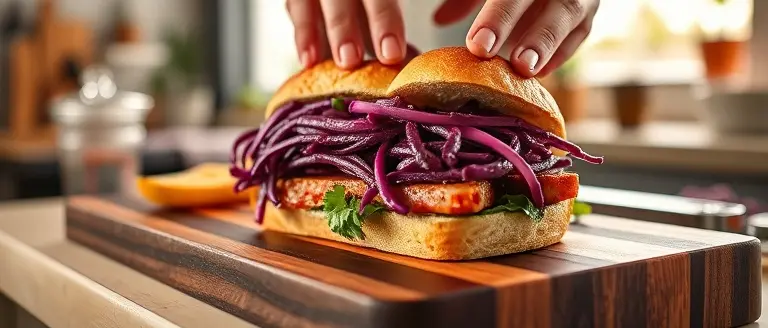
With grocery inflation squeezing household budgets, the appeal of a $12-$15 fast-casual sandwich is rapidly waning. Consumers are increasingly turning toward the “$3 build,” a strategy that prioritizes high-quality, bulk-sourced ingredients to achieve a superior lunch experience for a fraction of the cost of legacy chains. By pivoting away from overpriced, pre-made convenience items and investing in pantry staples, you can curate a meal that rivals the quality of artisanal shops while maintaining strict financial control.
Mastering the Component Strategy
The secret to a sub-$3 gourmet meal lies in ingredient intelligence. Instead of buying individual pre-packaged components, focus on bulk-buying high-quality breads, artisanal cheeses, and fresh produce. To keep costs low while elevating the flavor profile, consider these tactical adjustments:
- Bread Strategy: Skip the processed white loaves. Visit local bakeries during closing hours for discounted sourdough or crusty rolls, which offer superior texture and structural integrity compared to chain-store options.
- Flavor Inspiration: Look to niche concepts like the rising Filipino-style Sanwits movement in NYC for inspiration. Use bold, affordable pantry items like garlic confit, spicy pickled vegetables, or high-quality soy-based marinades to transform simple proteins into complex, flavor-forward fillings.
- Protein Sourcing: Opt for deli-counter ends or whole roasted chickens. Shredding your own poultry significantly reduces the price per serving compared to pre-sliced, ultra-processed deli meats.
Is Your Pre-Made Sandwich Worth It?
Evidence suggests that the “value-for-money” crisis is largely driven by the declining quality of assembly-line options. When you build your own sandwich at home, you eliminate the “convenience tax” while gaining total control over ingredient integrity. By utilizing fresh herbs, homemade spreads, and seasonal vegetables, you can replicate the high-end experience of a boutique sandwich shop for under $3 per serving, effectively bypassing the frustration caused by shrinking legacy chains and subpar travel meal options. Embracing the home-assembly trend is no longer just a money-saving tactic; it is an essential evolution in dining that prioritizes quality and craft over the standardized, high-cost models currently failing the average consumer.
Reclaiming Your Value: The DIY Lifestyle Revolution
The era of settling for overpriced, lackluster sandwiches is effectively over. By understanding the true cost and quality benchmarks of your food, you have already taken the first step toward reclaiming your wallet and your standards. But why stop at the kitchen counter? This shift toward self-reliance is about more than just avoiding a $6 disappointment; it is about recognizing that when we rely on mass-produced, low-quality convenience, we are paying a premium for mediocrity.
Just as we are refining our kitchen habits to combat rising food costs, many are discovering that the best way to ensure quality and value in our homes is to build it ourselves—from our sandwiches to the very furniture we serve them on. Whether you are crafting a gourmet meal or a custom dining space, the frustration with commercial inadequacy disappears when you possess the right master plan.
That is where Ted’s Woodworking becomes your ultimate ally. By providing the foolproof infrastructure and professional guidance needed to construct your own high-quality home environment, it eliminates the frustration of subpar store-bought results. It is the natural next step for anyone ready to transition from a passive consumer to a skilled, independent creator. Stop settling for less than what you deserve and start building a life defined by your own standards of excellence.
 Ready to stop paying premiums for low-quality convenience? Grab these professional plans and start building the lifestyle you deserve.Transform My Life Today!