

The utility sector has been thrust into the spotlight this morning as NextEra Energy and Dominion Energy officially announced a monumental $66.8 billion all-stock merger. This historic deal, which sent Dominion shares climbing over 12% in premarket trading, aims to forge the world’s largest regulated electric utility. For investors, the move is a clear strategic play to consolidate infrastructure in anticipation of the unprecedented power demands fueled by the rapid expansion of AI data centers. However, beyond the tickers and boardroom maneuvers, a much larger question looms for millions of Americans: what does this corporate consolidation mean for the average household?
As the national energy grid undergoes this radical transformation, retail customers are left wondering about the long-term impact on their monthly electricity bills and the reliability of their regional power supply. While this merger promises to accelerate the transition toward renewable energy, it simultaneously forces us to confront the realities of massive utility integration and the potential for regulatory friction. Understanding this shift is vital, not just for your portfolio, but for your domestic planning as we head into an era defined by aggressive infrastructure overhauls and changing residential energy dynamics.
The NextEra-Dominion Merger: A $66.8 Billion Industry Shift

As of the morning of May 18, 2026, the energy sector has reached a historic inflection point with the official confirmation of a mega-merger between NextEra Energy (NEE) and Dominion Energy (D). This massive all-stock transaction, valued at approximately $66.8 billion, is set to consolidate two of the industry’s most influential players into the world’s largest regulated electric utility company. The announcement follows days of intense market speculation, which finally culminated in an official agreement designed to reshape the American power landscape. Investors responded with immediate enthusiasm; shares of Dominion Energy surged by over 12% in premarket trading as the market began to digest the long-term financial implications of this unprecedented union.
Strategic Drivers of the Deal
The core motivation behind this consolidation is a dual-pronged response to modern energy pressures: the unprecedented growth of AI data centers and the urgent national mandate for renewable energy infrastructure. By combining NextEra’s industry-leading expertise in wind and solar assets with Dominion Energy’s robust and expansive regulated grid infrastructure, the newly merged entity aims to solve the “energy trilemma”—balancing reliability, sustainability, and affordability.
- Financial Impact: As an all-stock deal, the merger preserves liquidity while positioning the combined company for significant capital investment.
- Capacity Building: The deal is strategically engineered to fast-track the electrification of the grid, ensuring enough baseload and renewable power is available for high-demand AI compute clusters.
- Operational Synergy: By leveraging the scale of Nextera and the geographic footprint of Dominion, the deal aims to achieve massive operational efficiencies.
Analysts are now shifting focus toward the regulatory approval process, as the sheer size of the combined firm will undoubtedly draw scrutiny from federal and state oversight bodies. For investors holding NEE stock or Dominion shares, the current landscape represents a transition toward a more integrated, utility-scale model that prioritizes clean energy transition and modern grid reliability to meet 21st-century power demands.
Investor Briefing: Strategic Synergies and the AI Power Boom
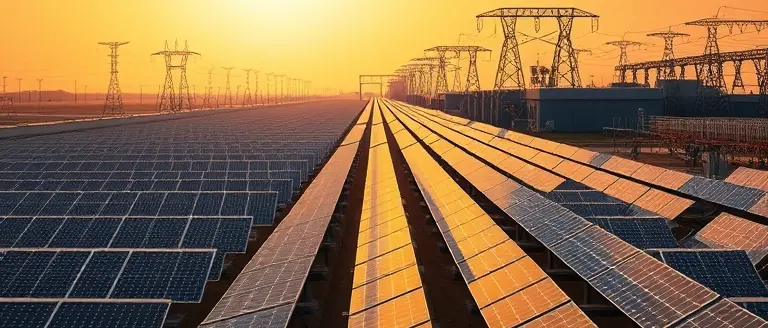
The $66.8 billion merger between NextEra Energy (NEE) and Dominion Energy (D) represents a tectonic shift in the utility sector, specifically designed to address the skyrocketing electricity demands of the artificial intelligence revolution. By combining NextEra’s industry-leading renewable energy portfolio with Dominion’s extensive regulated grid infrastructure, the newly consolidated entity is positioned to become the premier partner for hyper-scale data centers. Analysts note that the strategic logic rests on the ability to deliver massive, reliable, and “green” baseload power—a requirement that standalone utilities have struggled to meet as AI computational needs accelerate.
Capitalizing on the Data Center Supercycle
The competitive advantage of this nextera dominion union lies in its unique operational synergy. NextEra brings an unrivaled pipeline of solar, wind, and battery storage projects, while Dominion offers the physical footprint and transmission capacity required to connect these assets to high-density tech corridors. Key factors influencing this long-term strategy include:
- Grid Reliability: The merger allows for a more cohesive management of energy distribution, reducing transmission bottlenecks that currently threaten to delay AI deployment.
- Scale Efficiency: As the world’s largest regulated electric utility, the firm can leverage economies of scale to lower the levelized cost of energy (LCOE) for corporate off-takers.
- Renewable Mandates: Tech giants are under immense pressure to source carbon-free power; this merger provides a “one-stop-shop” for reliable clean energy procurement.
For investors monitoring NEE stock, this transaction serves as a massive hedge against traditional utility volatility. By positioning itself as the primary utility infrastructure provider for the digital economy, the combined entity moves beyond the limitations of local service territories. While regulatory scrutiny remains a critical variable, the core logic is undeniable: the infrastructure demand for AI is massive, and this consolidation is clearly designed to capture the lion’s share of that growth.
Consumer Impact Guide: What Ratepayers Should Expect

The announcement of the NextEra Energy and Dominion Energy merger has sparked immediate concern among retail electricity customers regarding future service costs. With Dominion Energy having previously floated several rate increase proposals to cover infrastructure modernization and grid hardening, consumers are understandably wary of how a $66.8 billion deal will influence their monthly utility bills. While the scale of the combined entity—now the largest regulated electric utility in the world—suggests potential operational efficiencies, history in the utility sector suggests that massive consolidations often lead to complex regulatory battles over cost recovery.
Balancing Operational Synergies and Rate Stability
Industry analysts note that while the merger aims to create a powerhouse capable of meeting the skyrocketing energy demand from AI data centers, the path to consumer savings is not guaranteed.
- Efficiency Gains: The integration of NextEra’s extensive renewable portfolio with Dominion’s existing infrastructure could theoretically reduce long-term operational overhead, potentially offsetting the need for aggressive rate hikes.
- Capital Expenditure Pressure: Conversely, the massive investment required to upgrade the grid for the AI power boom may put upward pressure on rates, as utilities typically pass capital expenditure costs to the consumer.
- Regulatory Oversight: State utility commissions are expected to play a critical role, likely implementing “rate caps” or efficiency mandates as conditions for approving the merger.
Regulatory Protections for the End-User
Regulatory commissions in states served by the new entity will likely focus on whether this monopoly power negatively impacts competition and service affordability. Investors and consumers alike should monitor upcoming public hearings, as these venues will clarify whether the merger will result in stable, long-term pricing or a period of volatility. While the NEE stock market performance reflects optimism for shareholders, the long-term impact on ratepayers will depend on how regulators balance the urgent need for infrastructure investment against the protection of household electricity budgets. In many cases, these mergers include specific language intended to shield consumers from excessive costs associated with integration, though these safeguards are subject to intense legal negotiation.
Regulatory Hurdles and the Antitrust Landscape

The proposed $66.8 billion mega-merger between NextEra Energy and Dominion Energy creates an unprecedented entity that will inevitably invite intense scrutiny from federal and state regulators. As the deal aims to establish the world’s largest regulated electric utility, antitrust authorities will focus heavily on whether this consolidation stifles competition or provides an unfair advantage in the rapidly expanding energy market. The Federal Trade Commission (FTC) and the Department of Justice will likely evaluate the transaction through the lens of market concentration, particularly as NEE stock holders and Dominion Energy stakeholders navigate the complexities of integrating these two massive power infrastructures.
Key Regulatory Challenges
The path to approval is fraught with legal and policy-related obstacles that extend well beyond federal oversight. State-level public utility commissions (PUCs) will play a pivotal role, as they are tasked with protecting the interests of residential and commercial ratepayers. Specific concerns that regulators will likely prioritize include:
- Market Dominance: Critics argue that merging two industry giants could create a utility so large that it exerts undue influence over regional wholesale power markets and pricing structures.
- Regional Energy Security: Regulators will demand evidence that this consolidation strengthens grid resiliency rather than creating a “too big to fail” scenario where a single system failure could cause massive, multi-state outages.
- Antitrust and Competition: There is significant pressure to determine whether the combined entity might limit the ability of independent renewable energy providers to access the transmission grid.
- Public Interest Mandates: State commissioners will likely push for “consumer benefit” clauses, requiring the companies to prove that the efficiencies gained from this merger lead to lower electricity rates rather than just higher margins for shareholders.
Given the current administration’s focus on maintaining competitive energy markets, the companies must provide a robust roadmap for how this nextera dominion partnership will facilitate a transition to green energy without harming affordability. While the strategic synergy is clear for AI-driven data center power demands, the burden of proof rests on the merging entities to demonstrate that consumer protection remains a primary objective. If the deal fails to satisfy state-level mandates regarding rate stability and service reliability, it could face years of litigation or be forced into significant divestitures to secure final approval.
Taking Charge of Your Own Infrastructure
The record-breaking $66.8 billion merger between NextEra Energy and Dominion Energy marks a seismic shift in how our power grid will be managed, prioritized, and modernized for the AI age. While corporate strategists focus on balancing portfolios and antitrust regulators scrutinize the move, the everyday consumer is left to navigate the potential fallout of shifting rate structures and evolving service reliability. This macro-level volatility is a potent reminder that while we depend on centralized utility providers for the energy that keeps our lights on, true stability often begins at home.
While utility giants reshape the national energy grid on a macro level, many homeowners are using this period of transition to take greater control over their own home improvement and infrastructure projects. Relying on external, shifting services is increasingly unpredictable; building your own foundation of technical certainty is the ultimate hedge against uncertainty.
Ted’s Woodworking acts as the essential toolkit for the empowered homeowner who prefers building custom solutions over relying on fluctuating external services. By leveraging our massive library of professional-grade plans, you gain the technical precision and project efficiency necessary to master your own domain, ensuring your home remains an oasis of stability regardless of what happens on Wall Street or at the utility board meetings. It is time to stop waiting for change and start building your own self-reliance.
 Take control of your home projects with the same precision the industry uses to build the future—start your next build today with our comprehensive library of professional plans.Yes, I Want To Take Control Now!