
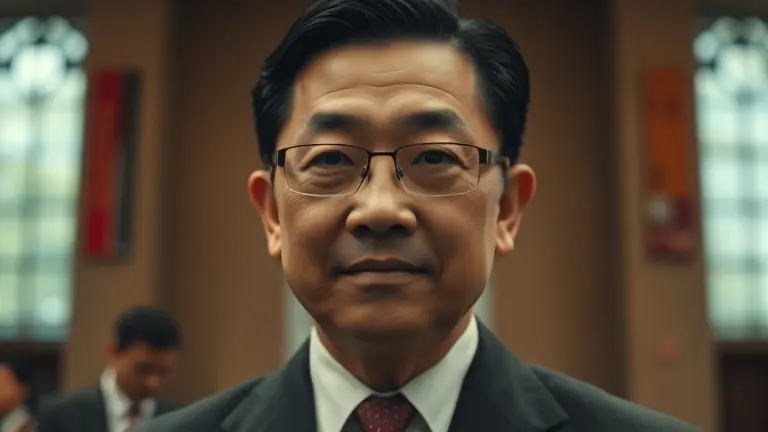
When Mung Chiang steps into the role of the 18th president of Northwestern University, he inherits a campus atmosphere defined by high-stakes institutional turbulence and profound debates over academic freedom. As the first Asian American to lead this storied institution, Chiang brings a distinguished track record from Purdue University, where his focus on engineering, innovation, and industry-partnered growth defined his tenure. Yet, the leap from a tech-centric powerhouse like Purdue to the intricate, multifaceted ecosystem of Northwestern—a university with prestigious professional schools of law and medicine and a deeply polarized faculty and student body—represents a radical shift in leadership requirements.
The academic community is currently watching closely, wondering if the architect of Purdue’s “hard tech” strategy can effectively navigate the nuanced socio-political currents of a private, elite research university. This transition is not merely administrative; it is a profound test of executive resilience. Whether Chiang can balance the pragmatic demands of a complex research institution with the urgent need to stabilize a campus currently divided by protest and policy contention remains the defining question of his presidency.
A New Chapter: Mung Chiang Appointed as Northwestern’s 18th President
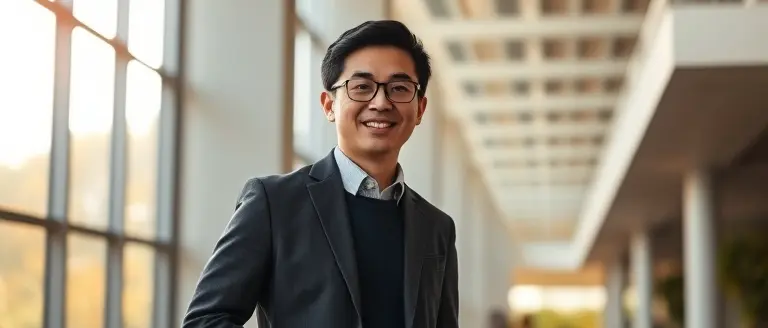
On May 18, 2026, the Board of Trustees officially announced that Mung Chiang has been selected as the 18th president of Northwestern University. This high-profile transition marks a significant turning point for the institution as it prepares to move past a period of intense administrative scrutiny and internal friction. Departing his role as the president of Purdue University, Chiang is set to officially assume his new leadership position on July 1, 2026, bringing with him a reputation for data-driven decision-making and strategic growth. His appointment arrives at a critical juncture; following a series of campus protests and public controversies regarding student activism, the university’s governing body sought a leader capable of balancing academic freedom with institutional stability.
The selection of Mung Chiang is inherently historic, as he becomes the first Asian American to serve as the president of Northwestern University. This milestone is being widely recognized as a move toward a more inclusive and globalized vision for one of the nation’s premier research universities. While his tenure at Purdue was characterized by a heavy focus on engineering, innovation, and industry partnerships, his arrival at Northwestern requires a shift toward managing a broader, more diverse portfolio of professional schools, including elite programs in law, medicine, and journalism.
Key pillars of this leadership transition include:
- Governance and Stability: Navigating the complex regulatory and social environments that define modern higher education in the US.
- Institutional Legacy: Bridging the gap between a technical, engineering-centric leadership style and the multidisciplinary demands of a comprehensive top-tier research institution.
- Cultural Representation: Acknowledging the historic nature of his appointment as a catalyst for campus-wide initiatives on diversity and administrative engagement.
As the university community looks toward the fall semester, stakeholders are increasingly focused on how Chiang will leverage his experience in academic policy to restore confidence. By stepping into this role amidst a search for clear, decisive leadership, Chiang faces the immediate task of reconciling the university’s commitment to open inquiry with the mounting pressure to resolve governance crises that have dominated recent headlines.
From Purdue to Evanston: Scaling the Technical Vision
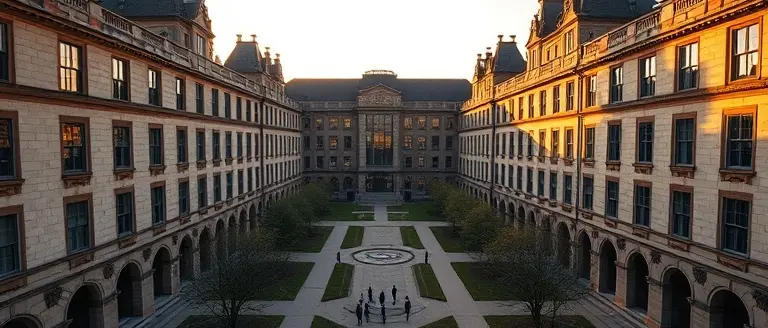
At Purdue University, Mung Chiang cultivated a reputation as a high-velocity administrator, leveraging his background in electrical engineering to foster intensive public-private partnerships and an unrelenting focus on economic output. His tenure was defined by the “Purdue model,” which prioritized rapid technological innovation, aggressive expansion of the university’s research park, and a lean, results-oriented administrative culture. By integrating STEM advancements with corporate synergy, Chiang transformed Purdue into a national beacon for industrial application. However, the transition to Northwestern University presents a vastly different landscape; unlike the engineering-centric corridors of West Lafayette, Evanston sits at the intersection of a sprawling academic ecosystem that demands equal weight for the humanities, law, and the arts.
Bridging the Academic Divide
Translating this technical vision to a comprehensive institution requires a delicate pivot in strategy. While Northwestern remains a top-tier research powerhouse, its stakeholders—ranging from the Pritzker School of Law to the Weinberg College of Arts and Sciences—operate under different philosophical incentives than those found in an engineering college. To succeed, Mung Chiang must demonstrate that his “Purdue model” is not merely about scaling hardware and code, but about fostering intellectual interdisciplinary growth. Observers expect him to apply his signature data-driven approach to:
- Institutional Alignment: Merging technical research with ethical, legal, and social implications to satisfy a broader scholarly agenda.
- Stakeholder Integration: Building trust with faculty in non-STEM departments who may be wary of a perceived bias toward “industry-ready” education.
- Strategic Resource Allocation: Balancing Northwestern’s immense endowment with the need for modernizing interdisciplinary facilities that go beyond pure technology.
Ultimately, the challenge for Chiang will be proving that his leadership style—once laser-focused on innovation and efficiency—can embrace the nuanced, often slower-paced deliberations inherent in a top-tier liberal arts and research environment. If he can bridge the gap between engineering pragmatism and the creative breadth of Northwestern, he may well set a new standard for modern university leadership.
Navigating the Governance Crisis and Campus Climate

When Mung Chiang assumes the presidency of Northwestern University on July 1, 2026, his most immediate challenge will be restoring institutional stability following a period of profound turbulence. The university has recently struggled with divisive debates regarding campus protests, freedom of expression, and administrative transparency. For the Board of Trustees, selecting a leader with a reputation for decisive, data-driven governance suggests a strategic pivot toward stability. Unlike the localized, engineering-centric environment of Purdue University, Northwestern presents a complex, multidisciplinary landscape where faculty governance and a highly vocal student body exert significant influence on administrative decision-making.
Chiang’s track record at Purdue offers a window into his potential crisis-management style. Known for a pragmatic approach to administration, he has historically prioritized high-level communication and internal alignment to mitigate academic friction. However, the specific dynamics at Northwestern require a different, more nuanced touch:
- Reconciling Stakeholders: He must foster open dialogue between the administration, the Faculty Senate, and a diverse student population that remains deeply polarized over recent administrative mandates.
- Administrative Transparency: Improving trust hinges on his ability to address the “governance gap” that emerged during the previous administration’s handling of campus unrest.
- Balancing Autonomy and Policy: As an expert in communications technology, Chiang likely understands the influence of digital narratives; his success will depend on whether he can move from defensive reactions to proactive, inclusive policy-making.
Evidence suggests that the Board of Trustees viewed his experience in navigating federal and state-level policy as a necessary asset to protect the university’s reputation. Whether his technical background translates to the social complexities of a premier research institution remains the central question for the Northwestern community. His ability to synthesize disparate viewpoints while upholding the university’s academic integrity will define the initial success of his tenure.
Strategic Foresight: The Future of the Chiang Era

Bridging the Technical-Comprehensive Divide
The transition of Mung Chiang from Purdue University’s engineering-heavy environment to the comprehensive, multi-disciplinary landscape of Northwestern University represents a significant administrative pivot. While his tenure at Purdue was defined by rapid scaling of tech partnerships and commercialization, Northwestern’s institutional complexity—anchored by elite professional schools in law, medicine, and business—demands a more nuanced approach to governance. Stakeholders should expect Chiang to leverage his expertise in interdisciplinary research to break down silos between the university’s STEM departments and its world-class liberal arts and professional faculties. By fostering cross-pollination between these sectors, he is positioned to enhance Northwestern’s global research footprint and potentially catalyze significant growth in the university’s endowment through intensified industry and philanthropic partnerships.
Navigating Institutional Turbulence
Chiang arrives at a critical juncture, inheriting a campus climate strained by recent controversies regarding protest management and administrative communication. His success will hinge on his ability to balance the university’s commitment to academic freedom with the practical necessity of maintaining campus order. Strategic foresight suggests that his leadership style, which historically emphasizes data-driven decision-making and public visibility, will be tested by the unique sociopolitical demands of a major private research university.
- Global Positioning: Expect a push toward international research alliances, drawing on his background in global academic leadership to keep Northwestern competitive in the US News rankings.
- Stakeholder Engagement: His ability to build consensus among diverse faculty, students, and donors will be the primary indicator of his stability as a leader.
- Administrative Efficiency: Chiang’s proven track record of fiscal discipline at Purdue suggests a forthcoming focus on operational streamlining to ensure long-term financial sustainability.
Ultimately, Mung Chiang is a bold, forward-looking choice for the Board of Trustees. His appointment as the first Asian American president of Northwestern underscores a commitment to modernizing the university’s executive leadership. If he successfully reconciles his engineering-driven pragmatic efficiency with the delicate human-centric needs of a comprehensive research institution, he could provide the structural stability required to propel Northwestern toward a new era of academic and social influence.
Mastering the Mental Demands of High-Stakes Leadership
Mung Chiang’s success at Northwestern will ultimately depend on his capacity to maintain absolute clarity amidst a storm of competing stakeholder demands. Just as the president of a major university must filter through institutional noise to maintain a strategic focus, today’s high-performing professionals face an equally complex challenge: staying sharp in an environment defined by relentless distraction and mounting pressure. The cognitive load required to make high-level decisions is immense, and even the most seasoned leaders must protect their mental acuity to ensure they remain effective when the stakes are at their highest.
This is where the science of peak performance becomes essential. Modern leaders are increasingly turning to neuro-optimization tools to replicate the focus, learning capacity, and mental clarity required to excel in high-pressure roles. By adopting a system that systematically eliminates brain fog and enhances neural function, you can cultivate the same level of executive poise that complex crises demand. It is time to treat your cognitive health with the same strategic rigor that defines elite leadership.
Align your mental capacity with your professional ambitions by adopting a proven routine designed for clarity and sustained output. This isn’t just about working harder; it is about providing your brain with the precision-based support necessary to cut through complexity and make better, faster decisions under fire.
 Optimize your own leadership clarity and cognitive function with The Brain Song’s 12-minute daily routine.Transform My Mental Clarity Today!