

When a heat advisory flashes across your screens in mid-May, it is more than just a meteorological warning—it is a clear sign that our climate patterns are shifting in unpredictable ways. This unseasonably early spike in temperatures has left many across the U.S. feeling caught off guard, struggling to manage the physical strain of extreme heat while simply trying to navigate their daily routines. As regional records break earlier than ever, the anxiety surrounding what this implies for the upcoming summer months is palpable. We are no longer just dealing with a temporary inconvenience; we are facing a need for proactive, systemic preparation.
Preparing for this heightened climate reality requires moving beyond basic hydration and seeking shade. It demands a holistic approach to your health, ensuring that your body has the internal strength to handle the physiological stress that intense heat cycles inflict. By understanding how to manage your metabolic energy and cognitive alertness in the face of these early warnings, you can transition from a state of reactive concern to one of empowered, long-term climate resilience.
Understanding the May 2026 Heat Advisory: Why This Early Spike Matters

The recent issuance of a heat advisory across multiple regions of the United States this May has caught both meteorologists and the public by surprise. While early summer heat is not unheard of, the sheer intensity and geographic breadth of these current NWS alerts represent a significant departure from historical climate norms. Experts note that when such high-temperature alerts occur before the meteorological start of summer, they signal a misalignment with typical seasonal transition patterns. This early-season thermal stress is particularly challenging because infrastructure, public awareness programs, and community acclimation levels are often not yet fully prepared for extreme high-heat protocols.
Why This Early Onset Raises Alarm
Meteorological data suggests that this unseasonably early warming trend is more than just a temporary fluctuation. It serves as a precursor to what may be a prolonged and high-risk summer season. When record-breaking temperatures arrive in May, it often suggests that regional climate variations are intensifying, which can lead to a feedback loop of drier soil and hotter atmospheric conditions.
Key factors contributing to the public and scientific concern include:
- Infrastructure Readiness: Power grids and local cooling centers are often prepared for peak demand in July or August, not mid-May, creating systemic pressure.
- Lack of Physiological Acclimation: The human body has not had time to adjust to high-heat conditions after the winter and spring, leaving vulnerable populations—including the elderly and outdoor workers—at an elevated risk for heat-related illness.
- Predictive Patterns: Historical data shows that when the season begins with high-intensity heat waves, the probability of frequent, extreme-heat days increases throughout the remainder of the summer months.
The current situation serves as a critical warning. By monitoring these early trends, homeowners and public health officials can pivot toward a more proactive, rather than reactive, approach to heat management. Recognizing the significance of this May anomaly is the first step in building a resilient strategy for what is shaping up to be an exceptionally hot and challenging season ahead.
Immediate Safety Checklist: How to Stay Protected During an Active Alert
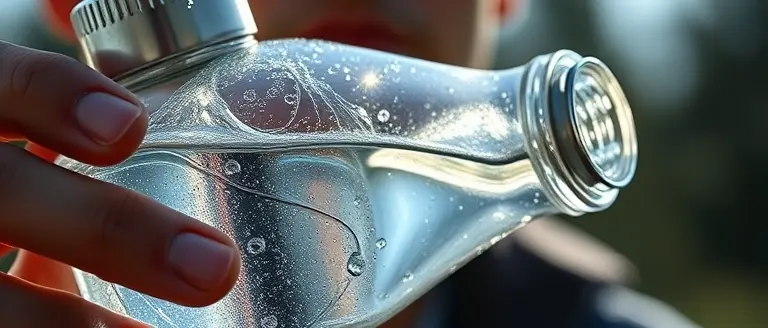
When the National Weather Service issues a heat advisory, your primary goal is to minimize physical exertion and maintain your body’s core temperature. Because this early-season heat spike catches many people off guard, it is vital to act immediately to prevent heat-related illnesses. If you find yourself in an affected area, prioritize these proactive measures to ensure your safety and the safety of those around you.
Essential Steps for Heat Survival
- Hydrate Proactively: Drink plenty of water throughout the day, even if you do not feel thirsty. Avoid beverages high in caffeine, alcohol, or excessive sugar, as these can accelerate dehydration.
- Seek Regulated Environments: If your home lacks efficient air conditioning, identify local cooling centers or public spaces like libraries and malls. Spending even a few hours in an air-conditioned environment can significantly lower your physiological stress.
- Protect Vulnerable Neighbors: The elderly, children, and individuals with underlying health conditions are at the highest risk. Check on neighbors or relatives who may be isolated to ensure they have adequate cooling and hydration.
- Dress for the Conditions: Wear lightweight, light-colored, and loose-fitting clothing to allow for better air circulation and moisture evaporation.
Recognizing Warning Signs
It is crucial to differentiate between heat exhaustion and the more life-threatening heat stroke. Heat exhaustion symptoms include heavy sweating, cold or clammy skin, a rapid pulse, and muscle cramps. If you experience these, move to a cooler area and sip water. However, if symptoms escalate to high body temperature, confusion, or loss of consciousness, this constitutes a medical emergency. Do not wait for symptoms to worsen; seek professional medical help immediately if someone stops sweating or shows signs of cognitive impairment, as these are clear indicators of potential heat stroke. During an active heat advisory, stay informed through local news and NWS updates to adjust your plans as the meteorological situation evolves.
Summer Outlook: Preparing Your Home for Potential Long-Term Climate Stress
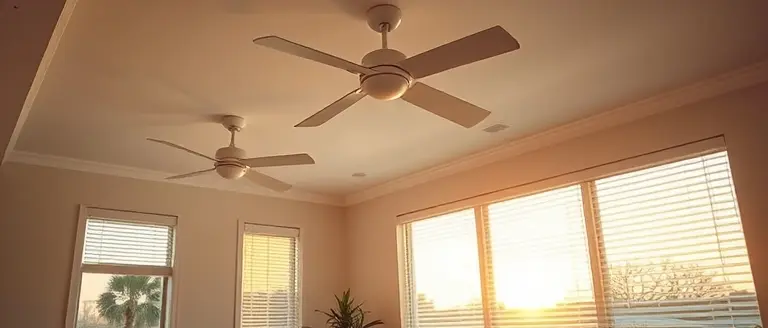
The arrival of an early heat advisory in mid-May serves as a critical wake-up call for homeowners across the United States. As meteorologists monitor shifting climate patterns, evidence suggests that this early spike may indicate a more persistent and intense summer season ahead. To mitigate the risks associated with long-term climate stress, shifting from reactive cooling to proactive home hardening is essential. By taking action now, you can significantly reduce the strain on your utility systems and ensure your living space remains a sanctuary against record-breaking temperatures.
Optimizing HVAC and Energy Efficiency
The foundation of summer preparedness lies in the mechanical integrity of your cooling systems. Before peak demand hits, consider these essential maintenance steps:
- Professional HVAC Inspection: Schedule a technician to clean coils, check refrigerant levels, and replace air filters. A well-maintained system runs more efficiently and is less likely to fail during a prolonged heat advisory.
- Reflective Window Solutions: Install reflective window films or heavy, light-blocking curtains to reduce solar heat gain. These additions can lower indoor temperatures significantly without increasing your electrical load.
- Smart Thermostat Utilization: Program your thermostat to raise the temperature when you are away and utilize “eco” settings during peak hours to stabilize energy consumption.
- Seal and Insulate: Check for air leaks around windows and doors. Proper weatherstripping keeps conditioned air inside, preventing your air conditioner from cycling unnecessarily.
Building Your Summer Emergency Kit
Beyond mechanical cooling, you must prepare for potential power grid volatility. Assemble a home emergency kit that includes backup power banks, flashlights, and a multi-day supply of shelf-stable food and water. Additionally, identify a “cool room” in your home—typically on the lowest level or in a windowless interior space—where your family can retreat if a power outage occurs during an extreme heat event. By preparing for these long-term climate stressors now, you ensure that you are not caught off-guard should the summer season continue its trend of record-breaking heat.
Identifying Heat Risks: Protecting Your Family and Pets in Early-Season Spikes

When an unseasonably early heat advisory is issued in May, the physiological impact on the human body is often more severe than a similar event in late July. This occurs because the body has not yet undergone the natural process of heat acclimatization. During the transition from spring to summer, your cardiovascular system and sweat glands are not fully primed to handle extreme thermal stress. Consequently, residents—particularly those in vulnerable groups—are at a significantly higher risk for heat exhaustion and heatstroke during these early-season spikes.
Protecting Vulnerable Populations
Children and the elderly are disproportionately susceptible to rapid temperature shifts. Children have a higher surface-area-to-body-mass ratio, causing them to absorb heat faster, while older adults may have diminished thirst responses or underlying medical conditions that impair cooling. To mitigate these risks:
- Monitor Hydration: Encourage water intake before individuals feel thirsty, as dehydration often precedes physical symptoms of distress.
- Limit Exposure: Schedule outdoor activities for early morning or late evening when the ultraviolet index and temperatures are lower.
- Identify Symptoms: Watch for dizziness, rapid pulse, headache, or confusion. These are clear indicators that immediate cooling and medical assessment are required.
Safeguarding Your Pets
Our pets are just as vulnerable to temperature spikes, often more so due to their limited ability to dissipate heat through panting. Pavement temperatures during a heat advisory can quickly reach dangerous levels, causing severe burns to paw pads within minutes.
- Adjust Exercise: Opt for indoor play or shorter walks on grass rather than asphalt.
- Never Leave in Vehicles: Even with windows cracked, a vehicle can reach lethal temperatures in less than ten minutes.
- Provide Cooling Options: Ensure constant access to fresh, cool water and shaded areas both indoors and outdoors. If your home lacks central air, use fans and cool damp cloths on your pet’s paws to assist with thermal regulation.
Building Your Foundation for a Resilient Summer
As we navigate this early period of extreme temperatures, the most effective strategy is to treat your body like an essential piece of infrastructure. While the environment may be unpredictable, your internal stability does not have to be. By combining proactive heat safety habits with a focus on metabolic health, you can effectively mitigate the lethargy, brain fog, and energy crashes that often accompany sudden temperature spikes.
Maintaining internal balance is the secret to staying sharp and focused when the mercury rises. This is where Sugar Defender becomes a vital component of your personal climate resilience kit. By promoting metabolic stability and sustained energy levels, it directly addresses the physiological toll of heat stress, ensuring that your body stays fueled and alert throughout even the most intense summer days.
Empower yourself to handle these climate anomalies with confidence rather than fatigue. By prioritizing your metabolic health today, you ensure that you are ready for whatever the summer season brings, keeping your performance high even when the temperature is at its peak. Don’t let heat-induced exhaustion dictate your productivity or mood this year.
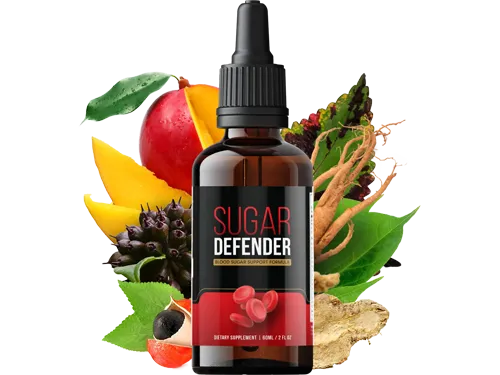 Support your internal energy and metabolic stability throughout this intense summer season—see how Sugar Defender can help you stay alert and resilient.Yes, I Want to Stay Resilient Now!