
The May 18, 2026, series opener between the Atlanta Braves and the Miami Marlins at LoanDepot Park marked a pivotal moment for MLB fans, serving as the long-awaited stage for Ronald Acuña Jr.’s return to the Braves’ lineup. As the Braves continue to command the No. 1 spot in the national Power Rankings, this matchup provided more than just a standard divisional clash; it offered a rare look at a high-powered offense reintegrating a superstar against a changing league landscape. The energy in the park was palpable, fueled by both the star power on the field and the intense scrutiny of the league’s evolving technical standards.
However, the most compelling story of the series extended beyond the batting order. The emergence of the Automated Ball-Strike (ABS) challenge system—and the fan reaction to its implementation—has shifted how we watch and analyze baseball. For the modern observer, this shift represents a transition from traditional viewing to a high-stakes, data-driven experience. Understanding the mechanics behind these technical adjustments is no longer optional for the serious fan; it is a prerequisite for keeping pace with the rapid evolution of the game’s flow and decision-making architecture.
Braves vs. Marlins: A Pivotal May 2026 Matchup

The series opener between the Atlanta Braves and the Miami Marlins at LoanDepot Park represents far more than a standard regular-season contest; it serves as a critical inflection point in the National League East standings. Entering this matchup, the Braves have officially reclaimed the No. 1 spot in the MLB Power Rankings, a testament to their resilience and depth. For the Marlins, defending their home turf against a surging division leader is essential for maintaining ground in an increasingly competitive race. This matchup carries significant weight, as divisional series in May begin to establish the hierarchy required for mid-season momentum and potential postseason seeding.
High Stakes and Strategic Implications
The intensity of the braves vs marlins rivalry is amplified this year by several key factors that transcend standard diamond play. The primary draw for analysts and fans alike is the return of Ronald Acuña Jr., whose activation from the injured list drastically alters the offensive ceiling of the Braves’ lineup. His presence forces the Marlins’ pitching rotation to recalibrate their approach, shifting focus toward containing an MVP-caliber threat atop the batting order.
Several factors underscore the significance of this series:
- Power Ranking Authority: The Braves’ ascent to the top of the league rankings forces them to play with a “target on their back,” necessitating consistent performance to maintain that status.
- Divisional Positioning: With every game counting toward divisional tie-breakers, both teams are utilizing advanced scouting reports to exploit specific rotational weaknesses.
- Technological Integration: The game has become a focal point for the implementation of the ABS (Automated Ball-Strike) challenge system, which provides a layer of digital accountability that influences game flow and managerial decision-making.
By focusing on these elements, the series provides a comprehensive look at how modern baseball integrates high-stakes roster management with evolving technological standards. As both clubs battle for control at LoanDepot Park, the outcome will likely dictate the narrative for the remainder of the month.
Ronald Acuña Jr.’s Return: Impact on the Braves’ Lineup
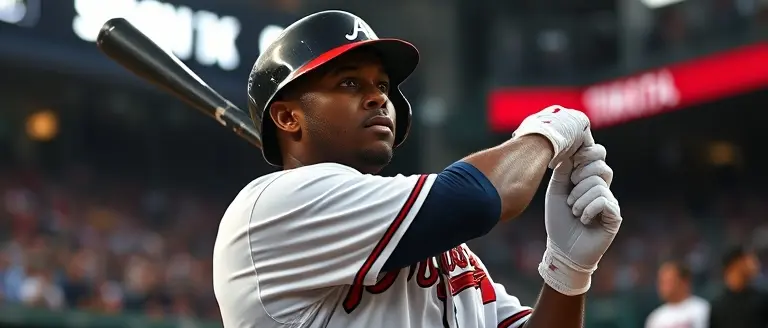
The activation of Ronald Acuña Jr. from the injured list ahead of the braves vs marlins series serves as a massive catalyst for the Atlanta Braves’ continued dominance. As the team solidifies its position at the top of the national MLB Power Rankings, Acuña’s presence at the top of the order restores the offensive equilibrium that defines the Braves’ identity. His return does more than just fill a spot in the lineup; it fundamentally changes how opposing pitchers navigate the first three innings, as they are forced to prioritize his elite base-stealing threat and power-hitting capability immediately upon the first pitch.
Strategic Shifts in Offensive Production
With Acuña back in the mix, the Braves’ coaching staff regains the ability to utilize a more aggressive base-running strategy that was largely sidelined during his absence. The ripple effects of his return are evident across the entire roster:
- Pitcher Fatigue: Opposing starters are forced into higher pitch counts early in the game to manage Acuña’s threat, leading to earlier exposure of the bullpen.
- Lineup Protection: Batters behind Acuña, including the heart of the order, are seeing higher concentrations of fastballs as pitchers attempt to avoid walking the base-path dynamo.
- Stability: His return provides a psychological boost to the dugout, reinforcing the Braves’ reputation as an offensive juggernaut that can score from anywhere in the batting order.
Evidence suggests that the reintegration of an elite leadoff hitter of his caliber provides the necessary spark to stabilize scoring droughts. By forcing the Marlins’ defensive rotation to account for his speed and propensity for extra-base hits, the Braves can effectively dictate the tempo of the series. As the season progresses, Acuña’s return is expected to correlate with a spike in high-leverage scoring opportunities, keeping the Braves firmly planted as the team to beat in the National League.
Demystifying the ABS Challenge: How Technology is Changing the Game

The braves vs marlins matchup on May 18, 2026, served as a prime showcase for the evolving landscape of Major League Baseball officiating, specifically regarding the Automated Ball-Strike (ABS) challenge system. Unlike a full robot-umpire implementation, the challenge system allows players, managers, and catchers to contest the home plate umpire’s call in real-time. This technology utilizes high-speed tracking cameras mounted throughout the stadium to generate a three-dimensional strike zone based on the specific height and stance of the batter at the plate. When a challenge is initiated, the system processes the pitch trajectory instantly, providing a definitive verdict that bypasses human error.
Mechanics and Criteria for Challenges
To ensure the integrity of the game remains intact during high-stakes series like this one, MLB has established strict protocols for how these challenges are deployed. Key aspects of the system include:
- Limited Opportunity: Teams are allotted a finite number of challenges per game; unsuccessful challenges result in the loss of that opportunity, forcing teams to be strategic about when to intervene.
- Instant Verification: The data processing occurs in milliseconds, with the visual representation often displayed on the stadium jumbotron to keep the audience informed.
- The “Clear and Obvious” Standard: The technology provides objective coordinates, meaning there is no room for subjective interpretation; if the ball clips any part of the strike zone, it is recorded as a strike.
The integration of this tech during the Atlanta-Miami series highlighted how fans now view officiating. Rather than questioning a call from the dugout, the ABS system shifts the focus toward technical accuracy. This transition represents a significant leap in MLB officiating, where the goal is to provide a standardized, transparent experience. By reducing the variance of human judgment in high-leverage at-bats, the league is effectively prioritizing precision, which in turn influences betting markets and fantasy baseball outcomes where every single pitch impact carries weight. As this technology continues to scale, it is rapidly becoming an essential component of the modern baseball viewing experience.
Fantasy Baseball and Betting Market Trends
The braves vs marlins series served as a pivotal moment for fantasy baseball managers, primarily due to the highly anticipated activation of Ronald Acuña Jr. from the injured list. For fantasy owners, Acuña’s return immediately reinstates a high-floor, high-ceiling asset capable of shifting weekly categorical matchups in stolen bases and runs scored. His presence at the top of the lineup fundamentally changes the offensive production outlook for the Braves, effectively elevating the fantasy value of the hitters surrounding him. Managers should monitor his plate discipline and speed metrics closely over the next two weeks to determine if any “rust” lingers from his time on the IL, though initial projections suggest he remains an elite must-start option.
Beyond individual player value, the betting market saw significant volatility surrounding this matchup. The combination of the Braves reclaiming the No. 1 spot in national MLB Power Rankings and the news of Acuña’s return triggered aggressive movement in moneyline and run-line odds. Betting platforms like FanDuel noted heavy handle spikes as sharps and recreational bettors reacted to the shift in the Braves’ projected run expectancy.
Key Betting and Fantasy Takeaways:
- Lineup Synergy: With Acuña back, expect a cascading positive effect on RBI opportunities for middle-of-the-order power hitters in the Braves’ lineup.
- ABS Integration: The presence of the Automated Ball-Strike (ABS) challenge system introduced a new layer of uncertainty for prop bettors. Because the ABS system can overturn or confirm critical counts in real-time, it has added a “technological variance” factor that seasoned bettors are now incorporating into their game-flow models.
- Market Sentiment: The heavy public backing of the Braves reflects high confidence in their sustained momentum, forcing sportsbooks to tighten spreads on series openers against divisional rivals like the Marlins.
As the season progresses, the impact of these technological and roster-based variables will likely become a permanent fixture in pre-game analysis, shifting how fantasy managers prioritize players who operate within teams embracing data-driven advancements.
Mastering the New Era of Data-Driven Baseball
The May 18th Braves vs. Marlins matchup was more than just a game; it was a masterclass in how technology is reshaping the diamond. From the immediate offensive surge provided by Ronald Acuña Jr.’s return to the strategic tension of the ABS challenge system, modern baseball now demands as much mental processing power from the spectator as it does physical athleticism from the players. Understanding these nuances requires a sharp, attentive mind capable of tracking real-time officiating shifts alongside complex roster impact metrics.
Just as the ABS system requires players and fans to process complex data points instantly, maintaining that level of sharp focus throughout a long MLB series requires peak cognitive function. This is where The Brain Song becomes an essential tool for the modern, tech-savvy sports analyst. By optimizing your mental focus and clearing away distracting brain fog, The Brain Song empowers you to digest intricate baseball analytics and evolving game rules with effortless precision.
Don’t let mental fatigue keep you from staying ahead of the curve. Elevate your analytical game and ensure you never miss a beat of the action, from pivotal plays to critical rule changes. It is time to treat your cognitive health with the same rigor you apply to your favorite team’s stats.
 Unlock your peak cognitive potential to track every stat and rule change—start your daily 12-minute mental clarity routine today.Transform My Mental Clarity Today!