

The television landscape shifted significantly this May as Anderson Cooper officially signed off from CBS’s 60 Minutes, concluding a legendary two-decade run as one of the program’s most recognizable correspondents. While viewers were treated to an emotional farewell that celebrated the program’s unwavering commitment to investigative independence and truth, the departure has sparked a broader conversation about the exhausting reality of dual-network journalism. For years, Cooper navigated the intense, high-stakes requirements of both CNN and 60 Minutes, a relentless travel schedule that pushed the limits of professional endurance.
Despite widespread speculation following his February announcement, Cooper’s exit is a calculated personal decision to prioritize family life and restore a necessary equilibrium to his workload. It is important to clarify for those concerned about his future: Anderson Cooper is not leaving CNN and remains a central pillar of the network’s programming. However, his choice to step back from his CBS duties invites a timely reflection on the reality of professional burnout and the cognitive toll exacted by decades of high-pressure reporting, setting a precedent for how even the most driven professionals can successfully manage their long-term health and focus.
Anderson Cooper Signs Off: A Look Back at His 20-Year ’60 Minutes’ Legacy

On Sunday, May 17, 2026, the broadcast landscape marked the end of an era as Anderson Cooper officially concluded his storied 20-year tenure as a correspondent for CBS’s 60 Minutes. The departure, which had been anticipated since Cooper first announced his intention not to renew his contract in February 2026, was characterized by a poignant and reflective final broadcast. While many viewers expressed initial confusion regarding the scope of his career moves, it is essential to clarify that the Anderson Cooper 60 Minutes departure is specific to his work at CBS; he remains a primary fixture at CNN.
The decision to step away from the program was driven by a deliberate choice to seek a healthier work-life balance. After two decades of managing the rigorous, global travel demands inherent to the 60 Minutes format alongside his ongoing responsibilities at CNN, Cooper cited the need to prioritize time with his family as his primary motivation. This exit highlights the growing conversation surrounding burnout among high-profile journalists who maintain dual-network roles.
During his emotional final sign-off, Cooper took a moment to reflect on the institutional importance of the program. He specifically underscored the “independence” of the show, a hallmark that has allowed it to thrive in a volatile media climate. Key takeaways from his closing sentiments included:
- Journalistic Integrity: Cooper praised the enduring “trust” that 60 Minutes has cultivated with its global audience over its long history.
- Professional Legacy: His tenure helped bridge the gap between traditional investigative reporting and modern broadcast storytelling.
- The Transition: By confirming his exit months in advance, Cooper ensured a smooth transition, distancing his choice from any forced narratives and framing it strictly as a personal milestone.
This departure closes a significant chapter in television history, leaving viewers to look back at two decades of impactful, hard-hitting investigative journalism that defined Cooper’s reputation as a top-tier correspondent.
Clarifying the Future: What This Means for His CNN Role

Following the widely publicized Anderson Cooper 60 Minutes departure, there has been significant public confusion regarding the anchor’s overall career trajectory. It is essential to clarify that while Cooper has stepped away from his role at CBS, he is not leaving CNN. His departure from 60 Minutes marks the conclusion of a specific professional chapter, not an exit from the field of journalism or his daily broadcast duties. The Anderson Cooper CBS departure was a calculated, personal decision aimed at streamlining a demanding schedule that, for two decades, required him to balance the intense production cycles of two major news organizations simultaneously.
By choosing to step back from the weekly, often globally travel-intensive requirements of 60 Minutes, Cooper is effectively addressing the common “burnout” factor that many dual-network journalists face. His continued presence at CNN ensures that his primary platform for breaking news and investigative reporting remains intact. Audiences questioning “is Anderson Cooper leaving 60 Minutes” should note that while the answer is yes, his commitment to his namesake show on CNN remains unchanged. This transition allows him to prioritize family life while maintaining his standing as a leading voice in American media.
To understand the scope of his current professional focus, consider the following distinctions:
- The CBS Exit: This represents the end of a long-term correspondent tenure at 60 Minutes to prioritize work-life balance and reduce heavy travel requirements.
- The CNN Commitment: Cooper remains under contract and active in his daily anchor role, confirming that his investigative influence is not disappearing from the airwaves.
- Professional Longevity: Rather than a sign of retirement, the move is viewed by industry analysts as a strategic refinement of his portfolio, allowing him to dedicate more energy to his core responsibilities at CNN without the strain of dual-network operations.
Ultimately, the decision reinforces the reality that even high-profile journalists must make adjustments to sustain long-term careers. Cooper’s move is not a withdrawal from the industry, but rather a pivot toward a more sustainable operational model.
The Shift Toward Work-Life Balance in Elite Journalism

The departure of Anderson Cooper from 60 Minutes after two decades serves as a prominent case study in the evolving priorities of high-profile journalists. For years, the industry standard for elite correspondents was defined by an unrelenting travel schedule and a willingness to operate in the field at a moment’s notice. However, Cooper’s decision to step away—specifically citing a desire to prioritize family time—highlights a growing trend where top-tier media personalities are choosing to redefine their professional boundaries to mitigate the risks of long-term burnout. While many viewers initially asked, “is Anderson Cooper leaving 60 Minutes” due to exhaustion or contractual friction, the evidence points to a proactive choice to streamline his professional life without abandoning his career entirely.
Redefining the Modern Journalist’s Career Trajectory
This shift in labor philosophy represents a healthy evolution for the media landscape. By choosing to remain at CNN while stepping down from the demanding globe-trotting requirements of the CBS program, Cooper demonstrates that maintaining journalistic excellence does not strictly require an all-consuming commitment to legacy investigative travel. This balance is becoming essential for the longevity of modern broadcasters who navigate the high-stress environment of 24-hour news cycles.
Several factors are driving this change in elite journalism:
- The “Burnout” Factor: After twenty years of dual-network reporting, the logistical toll of back-to-back production cycles often reaches a breaking point, even for the most seasoned veterans.
- Family-Centric Prioritization: High-profile journalists are increasingly moving away from the “road warrior” lifestyle in favor of schedules that allow for consistent, daily involvement in their children’s lives.
- Quality Over Quantity: By focusing his energy on his CNN commitments, Cooper maintains his influence and voice while gaining the flexibility necessary for personal wellness.
Ultimately, this transition signals a move away from the traditional, rigid expectations of broadcast journalism. Rather than viewing the Anderson Cooper 60 Minutes exit as a loss for the industry, it should be seen as a sustainable blueprint for talent to manage long-term careers without sacrificing personal health or family stability.
Reflecting on Two Decades of Impactful Storytelling
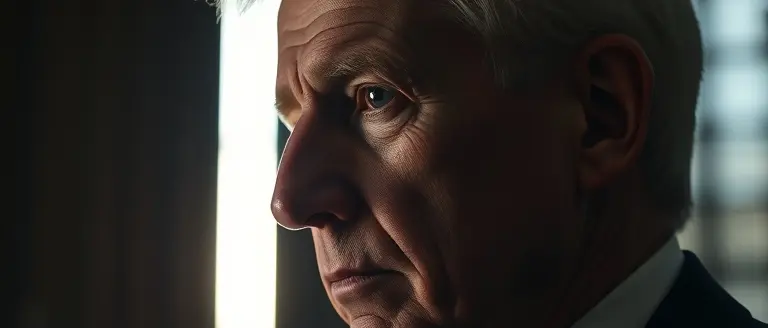
For twenty years, Anderson Cooper served as a cornerstone of CBS’s 60 Minutes, bringing a blend of grit, empathy, and rigorous investigative standards to the program. His tenure, which officially concluded on May 17, 2026, marked a significant era in long-form journalism. Unlike the rapid-fire nature of cable news, Cooper’s work on 60 Minutes allowed him the space to explore complex geopolitical crises, human interest stories, and domestic policy failures with depth. By prioritizing journalistic integrity, he helped maintain the show’s reputation as a vital institution in American media, proving that even in a digital-first world, viewers remain hungry for substantive, well-researched reporting.
A Legacy Defined by Integrity
Cooper’s transition from an international correspondent—reporting from war zones and disaster sites—to a permanent fixture on the 60 Minutes roster highlights his growth as a storyteller. Throughout his time on the program, his reporting was defined by:
- In-depth investigative rigor: Pursuing stories that required months of field research rather than immediate soundbites.
- Human-centric interviewing: Maintaining a signature calm demeanor while extracting difficult truths from subjects.
- Independence in reporting: Upholding the program’s long-standing mandate to challenge power structures, regardless of political affiliation.
While many followers initially questioned if the Anderson Cooper 60 Minutes exit signaled a broader withdrawal from the industry, it is essential to clarify that Cooper remains a vital part of the CNN landscape. His CBS departure was a calculated, personal decision driven by a desire for a sustainable work-life balance after two decades of intense dual-network responsibilities. By stepping back from the grueling travel schedule required by the show, Cooper has set a precedent for how high-profile journalists can manage the pressures of a long, illustrious career without succumbing to burnout. His departure does not represent an end to his journalistic voice, but rather a pivot toward a more manageable, yet still impactful, professional chapter.
Beyond the Headlines: Prioritizing Your Cognitive Future
Anderson Cooper’s departure from 60 Minutes marks the end of a remarkable era, highlighting the delicate balance between professional excellence and personal well-being. His decision reminds us that even at the pinnacle of a high-pressure career, recognizing the signs of burnout and choosing to recalibrate is not a sign of weakness, but a hallmark of long-term success. While Cooper continues his vital work at CNN, his transition away from the grueling travel demands of CBS serves as a powerful case study for any professional striving to maintain performance without sacrificing their health.
Maintaining the level of journalistic rigor Cooper demonstrated for two decades requires not just passion, but an incredible amount of sustained cognitive energy. For high-achievers navigating similar pressures, mental fatigue and fog are the silent enemies of peak performance. Just as Cooper made a strategic choice to protect his cognitive and personal bandwidth, you too can adopt tools that sustain your mental clarity. This is where The Brain Song becomes an essential tool for your professional arsenal.
By utilizing this neuroscience-based auditory routine, you can effectively mitigate mental fog and enhance your ability to focus, allowing you to thrive in demanding environments without succumbing to the depletion that leads to burnout. It is a proactive step toward cognitive wellness, designed for those who refuse to compromise on their mental edge. Don’t wait for your own burnout moment to start investing in your mind; gain the clarity and focus you need to excel every single day.
 Discover how you can sharpen your mental edge and combat daily burnout with this simple 12-minute auditory routine.Yes, I Want This Now!