

Gilead is back, and the cultural conversation surrounding The Handmaid’s Tale has never been more intense. As we stand on the precipice of the highly anticipated final season and witness the expansion of the universe through the concurrent rollout of The Testaments, the dystopian world created by Margaret Atwood is once again dominating our screens. Whether you are a newcomer discovering the series through its dual availability on Netflix and Hulu, or a long-time devotee preparing for the ultimate showdown, the sheer complexity of the narrative requires more than just passive viewing.
The intricate power dynamics, non-linear timelines, and harrowing psychological depth of the show demand a sharp, engaged mind. As we bridge the gap between the original series and the next chapter of this chilling saga, understanding the nuances of Gilead’s collapse is essential for a complete viewing experience. To truly master the lore, however, you need to be prepared for the cognitive marathon that lies ahead.
The Gilead Renaissance: Why ‘The Handmaid’s Tale’ is Dominating 2026

As of May 2026, The Handmaid’s Tale has experienced a remarkable cultural resurgence, solidifying its status as a permanent fixture in the global entertainment landscape. This phenomenon is driven by a unique “triple-threat” of industry developments: the strategic dual-streaming availability on both Netflix and Hulu, the mounting anticipation for the high-stakes Season 6 finale, and the expansion of the franchise through the eagerly awaited The Testaments. Data from recent global streaming charts indicates that the series has captured a new generation of viewers, effectively bridging the gap between legacy fans and first-time audiences.
The Power of Multi-Platform Reach
The decision to bring the series to Netflix has proven to be a masterstroke in audience acquisition. By placing this dystopian masterwork alongside modern hit content, the show has surged back into the Global Top 10 rankings. This accessibility has provided the perfect entry point for viewers eager to consume the narrative before the final season premieres.
The current buzz is further amplified by several key factors:
- Strategic Streaming: Simultaneous availability on Netflix and Hulu has removed traditional barriers to entry, leading to a massive influx of new subscribers engaging with the content for the first time.
- The Season 6 Countdown: With stars like Elisabeth Moss, Yvonne Strahovski, and Ann Dowd confirmed to return, social media engagement has reached a fever pitch, turning every casting update into a major news cycle.
- The Testaments Expansion: The ongoing rollout of the sequel series is creating a “Gilead universe” effect, where viewers are encouraged to re-watch the original series to understand the intricate political and character lore that sets the stage for the upcoming transition.
Ultimately, this convergence of streaming dominance and narrative expansion has transformed The Handmaid’s Tale from a standard episodic drama into a quintessential dystopian thriller that continues to influence contemporary cultural and political discourse.
Navigating Gilead: A New Viewer’s Guide to the Series
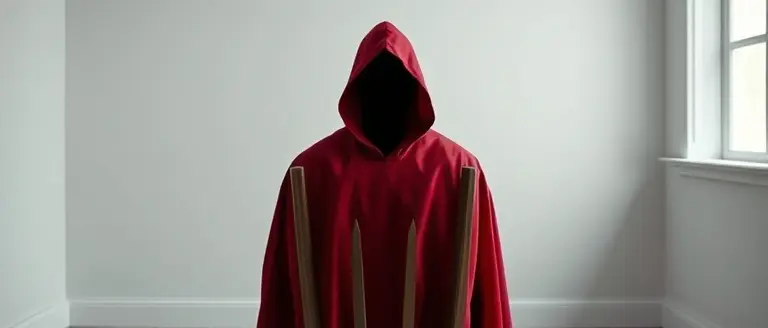
As The Handmaid’s Tale continues to dominate global streaming charts on both Netflix and Hulu, new viewers are flocking to this gripping dystopian narrative. Set in the near-future totalitarian state of Gilead—formerly the United States—the series follows June Osborne, a woman forced into reproductive servitude. In this regime, fertile women known as “Handmaids” are subjected to state-mandated rituals, reflecting a chilling exploration of autonomy, power, and resistance. With the final season (Season 6) on the horizon, understanding the foundational conflict between June and the patriarchal architects of Gilead is essential for any modern viewer.
Key Narrative Pillars and Progression
The series functions as an intense psychological thriller, evolving from a contained story of survival into a broader geopolitical struggle. To prepare for the series’ conclusion and the upcoming expansion into The Testaments, consider these primary story arcs:
- The Rise of Resistance: Initially, the show focuses on June’s internal survival. However, as the seasons progress, the narrative shifts toward her active efforts to destabilize the regime from within and eventually from the relative safety of Canada.
- The Evolving Power Structure: The core conflict revolves around the complex dynamics between June and high-ranking officials like the Waterfords, as well as the ambiguous motivations of characters like Aunt Lydia.
- The Transition to Global Geopolitics: By Season 5, the stakes have escalated beyond personal survival, involving international diplomacy and the fraying edges of Gilead’s influence.
Whether you are a newcomer or revisiting the series, the journey of June Osborne serves as the anchor for the entire franchise. The show’s ability to remain a cultural staple in 2026 is a testament to its sharp political commentary and high-stakes drama. By focusing on the shifting power dynamics between June and the state, viewers can better appreciate the complex web of betrayal and hope that defines the series as it heads toward its long-awaited finale.
From ‘The Handmaid’s Tale’ to ‘The Testaments’: Expanding the Dystopian Universe
As The Handmaid’s Tale approaches its highly anticipated final season, the narrative landscape is evolving rapidly. While the original series established a visceral, ground-level perspective on the horrors of Gilead through June Osborne’s eyes, the upcoming sequel series, The Testaments, promises a tectonic shift in scale. Where the parent series focused intensely on individual survival, trauma, and the fight for bodily autonomy, the expanded universe is shifting its focus toward the systemic decay and eventual collapse of the regime. Fans transitioning from the original series to this new chapter will find that the lore expands from a singular story of resistance into a multifaceted political thriller that examines the fragility of authoritarian power structures from within.
Shifting Perspectives: From Survival to Systemic Collapse
The fundamental difference between these two projects lies in their narrative scope. The Handmaid’s Tale functioned primarily as a character-driven drama, emphasizing the psychological burden of life under a totalitarian, patriarchal government. In contrast, The Testaments operates as an institutional autopsy. By pulling the lens back, the sequel provides a deeper look at:
- The Bureaucracy of Fear: Understanding how the various factions within Gilead—ranging from the high-ranking Commanders to the enigmatic Aunts—manipulate policy to maintain control.
- Generational Trauma: Examining how those born or raised under the regime perceive the world differently from those who remember the pre-Gilead era.
- External and Internal Pressures: While the original show hinted at international resistance, the sequel brings the geopolitical ramifications of Gilead’s existence to the forefront, detailing how the regime finally begins to crack under its own weight.
By linking these narratives, viewers gain a comprehensive understanding of the dystopian universe that Margaret Atwood created. For those currently binging the original series on platforms like Netflix, this transition represents a move from the “hunted” perspective to a broader, more strategic view of historical inevitability, ensuring that the legacy of Gilead remains a permanent fixture in contemporary entertainment discourse.
Mirror to Reality: Analyzing the Enduring Political Power of Gilead

As The Handmaid’s Tale approaches its highly anticipated final season, its resonance in 2026 remains stronger than ever. The series functions as more than just a dystopian thriller; it serves as a stark, reflective mirror to contemporary societal anxieties. By examining the chillingly plausible transition from democracy to the theocratic regime of Gilead, the show forces audiences to confront the fragility of human rights, institutional integrity, and the erosion of personal autonomy. Industry analysis suggests that the show’s enduring popularity—evidenced by its continued dominance on platforms like Netflix—is rooted in how effectively it dramatizes the weaponization of surveillance and state-mandated gender roles.
Themes of Autonomy and Institutional Control
The narrative power of the series lies in its meticulous world-building, which highlights how easily democratic institutions can be co-opted. The show’s focus on the systematic stripping of bodily autonomy remains a primary touchstone in modern political discourse. Key elements that contribute to the show’s hyper-relevance include:
- The Normalization of Surveillance: The constant presence of the Eyes and the culture of informants reflect real-world concerns regarding digital privacy and state-led monitoring.
- The Fragility of Rights: Gilead’s origin story serves as a cautionary tale about the dangers of apathy and the slow degradation of civil liberties during times of crisis.
- Institutional Power Dynamics: By showcasing how characters like Elisabeth Moss’s June Osborne navigate a landscape dominated by figures such as Yvonne Strahovski’s Serena Joy, the show provides a masterclass in the politics of survival and resistance.
As viewers prepare for the transition into The Testaments, the discourse surrounding these themes is expected to intensify. The franchise successfully bridges the gap between historical allegory and modern-day cautionary tales, ensuring that its influence on the dystopian genre remains significant long after the final credits roll.
Sharpen Your Focus for the Final Battle in Gilead
Navigating the labyrinthine conspiracies and shifting allegiances within The Handmaid’s Tale is a task that challenges even the most devoted fans. As we prepare for the climactic release of Season 6 and delve deeper into the narrative expansions provided by The Testaments, the ability to synthesize complex plot lines and maintain narrative retention is what separates the casual viewer from the true analyst. Intellectual engagement with such dense, dystopian themes is rewarding, but it requires peak mental performance to avoid the dreaded binge-watching ‘brain fog.’
As we unravel the intense psychological layers of Gilead and prepare for the final season, ensuring your mind is sharp enough to catch every detail is key to the full viewing experience. This is where The Brain Song becomes your essential cognitive warm-up tool. Designed to provide a neuroscience-based solution for mental acuity, it is the only product that helps you overcome exhaustion and sharpen your focus, allowing you to engage with these high-level narratives on a deeper, more analytical level.
Don’t let mental fatigue cloud your experience of this television milestone. Integrate this powerful tool into your routine to ensure you are fully equipped to dissect the final chapters of the series with clarity and precision. By optimizing your cognitive performance now, you position yourself to fully appreciate the complex thematic resolution that awaits.
 Unlock your full analytical potential for the final season of The Handmaid’s Tale by integrating The Brain Song into your daily routine.Sharpen My Mind Today!