
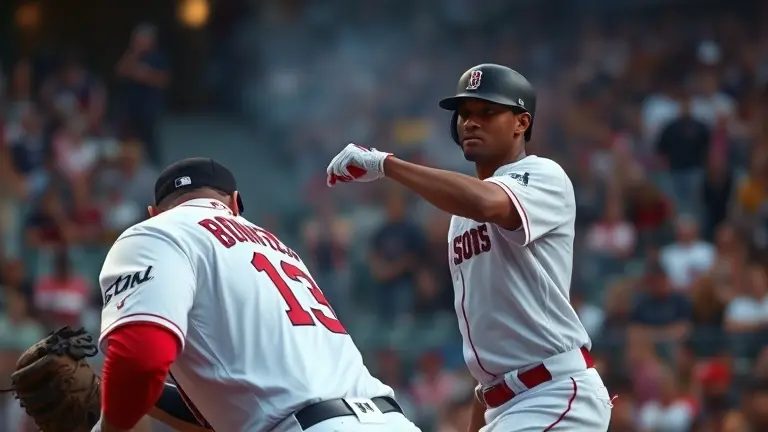
The recent Red Sox vs Braves series was more than just a standard interleague matchup; it was a masterclass in high-stakes drama that left fans reeling. When the dust settled on May 16, 2026, the narrative wasn’t just about the box score—it was about the sheer grit displayed during Boston’s late-inning comeback. With emerging sensation Payton Tolle delivering a pitching performance that silenced the Atlanta bats at critical moments, and veteran Willson Contreras providing the offensive surge required to flip the script, this series served as a definitive turning point in the Red Sox’s season trajectory.
For those watching closely, the series underscored how individual tactical brilliance can dictate team success. From Tolle’s evolving mechanics on the mound to Contreras’s surgical offensive adjustments, the games were a reminder that baseball at the highest level is as much a mental chess match as it is a physical endeavor. Decoding these complex plays requires a level of cognitive sharpness that separates the casual viewer from the true tactical aficionado.
Recap: The Red Sox vs. Braves May 2026 Showdown
The Red Sox vs. Braves interleague series held on May 15-16, 2026, delivered one of the most compelling narrative arcs of the MLB season, characterized by high-leverage drama and a definitive late-game surge from Boston. Coming into the matchup, expectations were high for a tactical battle between two storied franchises, but the series quickly evolved into a showcase of individual brilliance and team resilience. For the Red Sox, the series was defined by a stunning comeback victory that not only altered the momentum of their current season trajectory but also highlighted the depth of their roster under high-pressure scenarios.
Pivotal Performances and Tactical Adjustments
Central to the Red Sox’s success was the emergence of pitcher Payton Tolle, whose performance on the mound provided the stability necessary to keep the game within reach during the early frames. Tolle’s ability to navigate the Braves’ lineup with precision forced Atlanta into difficult counts, setting the stage for a dramatic shift in the later innings. Supporting this defensive foundation was the veteran leadership of Willson Contreras, whose offensive production proved to be the difference-maker. Contreras demonstrated exceptional plate discipline, ultimately delivering a crucial home run that shifted the game’s energy and effectively dismantled the Braves’ late-inning plans.
Key highlights from the series include:
- The Tolle Factor: Payton Tolle’s efficient pitching mechanics neutralized Atlanta’s power hitters, proving he is a rising talent to watch.
- Contreras’ Impact: The offensive adjustments made by Willson Contreras allowed the Red Sox to capitalize on pitching mistakes, underscoring the value of experienced veteran hitting.
- The Ninth-Inning Tension: The series finale saw a high-stakes closing sequence involving Aroldis Chapman, whose ability to secure the save served as a focal point for fan discussion and emphasized the team’s late-inning defensive strategy.
This series serve as a perfect example of how strategic roster management—balancing emerging talent like Tolle with the reliable output of veterans like Contreras—can dictate the outcome of high-profile interleague matchups. The result was not just a box-score victory; it was a testament to the Red Sox’s ability to maintain composure in hostile, high-intensity environments.
Player Spotlight: Payton Tolle’s Masterclass on the Mound
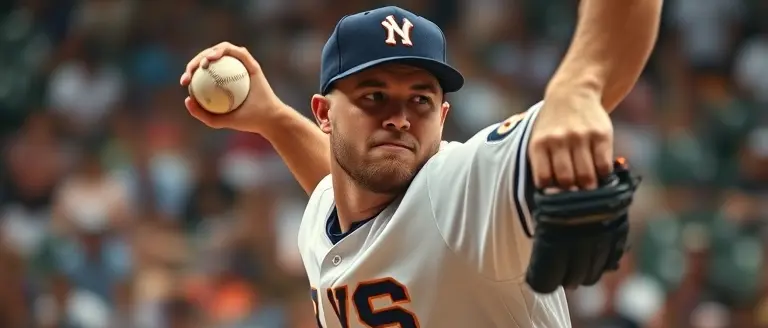
The red sox vs braves series served as a breakout stage for Payton Tolle, whose performance on the mound provided the tactical foundation for Boston’s comeback victory. Throughout the contest, Tolle demonstrated a sophisticated evolution in his pitching mechanics, transitioning from an early reliance on his four-seam fastball to a more deceptive mix of off-speed deliveries as he moved through the batting order. By the middle innings, his ability to command the lower third of the zone effectively neutralized the aggressive Atlanta approach, forcing soft contact and high-leverage outs that allowed the Red Sox to maintain defensive pressure.
Strategic Execution and Mechanical Evolution
Tolle’s mechanical consistency was the primary driver of his success, characterized by a repeatable delivery that masked his pitch selection until the final release point. Analytical observations suggest that his ability to manipulate arm-side run prevented Braves hitters from finding a rhythm, a critical factor given the high-octane nature of the Atlanta lineup. His performance was not merely a display of raw velocity, but a masterclass in situational pitching, where he strategically navigated around base runners to preserve the lead for the bullpen.
- Pitch Sequencing: Tolle successfully utilized a late-breaking slider to disrupt timing, effectively setting up his fastball for high-strikeout counts.
- Tempo Control: By maintaining a consistent pace between pitches, he dictated the game’s flow, frustrating the opposition’s hitters and preventing them from settling into long, grueling at-bats.
- Statistical Impact: His ability to limit deep counts ensured he remained in the game long enough to bridge the gap toward the final innings, providing essential stability before Willson Contreras provided the offensive spark needed to seal the result.
This performance signifies a maturing trajectory for Tolle, positioning him as a vital asset in the Red Sox’s rotation as they aim to stabilize their season trajectory through consistent, high-quality starts.
Tactical Review: Willson Contreras’s Offensive Impact

The red sox vs braves series served as a masterclass in situational hitting, largely anchored by the offensive prowess of Willson Contreras. During this high-profile matchup, Contreras displayed a sophisticated tactical approach that went beyond simple power metrics. By focusing on pitch selection and plate discipline, he effectively neutralized the Braves’ pitching staff during crucial junctures of the game. Analysts have noted that his offensive adjustments—specifically his willingness to work deep counts—forced opposing pitchers to deviate from their preferred sequences, ultimately leading to the high-leverage mistake he capitalized on with his decisive home run.
Strategic Plate Adjustments
Contreras’s impact was not merely anecdotal; it was rooted in a calculated shift in his batting stance and zone recognition. By keeping his hands tighter to his body, he was able to track late-breaking pitches that had previously troubled him. Key observations from the series include:
- Pitch Recognition: Contreras demonstrated an elite ability to lay off high-velocity chase pitches outside the strike zone, putting the Red Sox in advantageous hitter’s counts.
- Situational Awareness: His home run was the direct result of punishing a misplaced fastball, proving that his preparation against the Braves’ bullpen had been exhaustive.
- Momentum Shifting: Beyond his individual production, Contreras acted as a stabilizing force in the lineup, shielding younger players from pressure and setting a professional tone during the comeback effort.
This level of veteran performance proved essential for the Boston Red Sox. As the team looks to maintain its trajectory throughout the season, the tactical versatility displayed by Willson Contreras suggests he will remain a cornerstone of their offensive engine. His ability to blend raw power with high-level game theory provided the necessary spark to turn the tide against Atlanta, reinforcing why his presence in the heart of the order remains a significant threat to any pitching rotation.
The High-Leverage Moments: Analyzing the Ninth-Inning Save

The Red Sox vs Braves series reached its crescendo in the ninth inning, transforming a standard interleague matchup into a masterclass in late-game pressure management. As the tension mounted, the defensive execution became the decisive factor, overshadowing the earlier statistical output. The atmosphere was palpable as the Boston bullpen aimed to protect their narrow lead, requiring absolute precision to stifle any potential Atlanta rally. This high-leverage environment served as the ultimate test for the roster, particularly for the seasoned veteran presence of Aroldis Chapman, whose ability to locate pitches in volatile situations remains a significant tactical asset.
Anatomy of a High-Stakes Ninth
To understand how the comeback was secured, one must analyze the frame-by-frame decision-making that characterized the final frame. The defensive coordination relied on:
- Strategic Pitch Sequencing: The Red Sox prioritized tunneling their offerings to keep the Braves’ hitters off-balance, effectively forcing weak contact rather than relying solely on strikeout efficiency.
- Mental Fortitude under Pressure: With the game on the line, the defensive alignment adjusted to the specific tendencies of the batters, showcasing the coaching staff’s deep preparation and real-time situational awareness.
- The Role of Veteran Calm: While younger players like Payton Tolle were essential in setting the tone earlier in the game, the veteran leadership of players like Willson Contreras provided the steady hand needed to navigate the final outs, ensuring the team remained composed during the most critical sequences of the contest.
The narrative of this series suggests that while offensive firepower—exemplified by Contreras’s pivotal home run—provides the cushion, the ability to execute during a ninth-inning save is what truly defines a contender’s trajectory. This sequence of play serves as a blueprint for the Red Sox, emphasizing that individual brilliance, when coupled with collective defensive discipline, can flip the outcome of even the most daunting matchups.
Master the Tactical Nuance of the Game
The Red Sox vs Braves showdown highlighted that baseball is a game of inches, decided by those who maintain total mental clarity under immense pressure. Whether it is Payton Tolle hitting his spots in the ninth or Willson Contreras reading the strike zone for a decisive hit, success stems from razor-sharp focus. Just as these athletes require an elite mental state to perform, you need that same cognitive edge to fully decode and appreciate the tactical shifts happening on the field.
This is where The Brain Song becomes your ultimate off-field advantage. Designed for the sophisticated sports enthusiast who values deep, nuanced analysis over superficial recaps, it bridges the gap between watching the game and truly understanding it. By enhancing your focus and improving your mental processing speed, this tool allows you to digest high-speed sports data and tactical breakdowns with newfound precision and ease.
Don’t just watch the next high-leverage moment—experience it with total cognitive clarity. By incorporating this mental warm-up into your routine, you are sharpening the very skills that define the best analysts in the game. Elevate your fandom today by accessing the mental tool designed for peak performance.
 Boost your own mental performance and sharpen your tactical analysis skills—try The Brain Song’s 12-minute audio routine today.Transform My Mental Focus Now!