
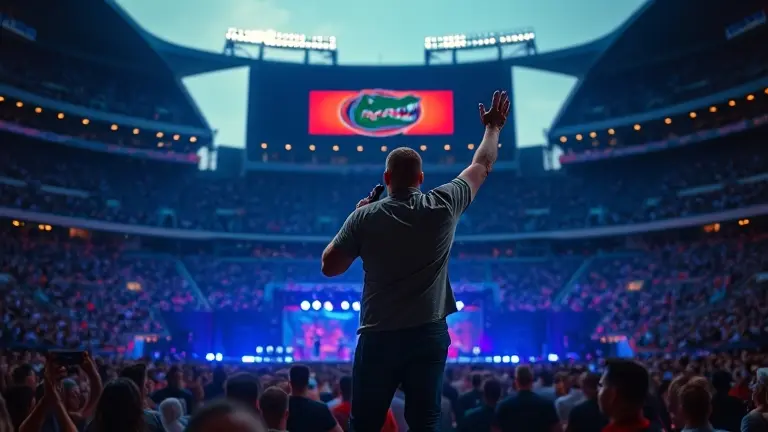
When country music megastar Morgan Wallen took the stage at Ben Hill Griffin Stadium on May 16, 2026, the atmosphere was thick with a unique blend of spectacle and tension. While the eyes of the nation were focused on a viral moment—the Tennessee-clad singer refusing to perform the iconic ‘Gator Chomp’ even as legendary Gator Tim Tebow walked him out—the real story lies beneath the surface. The surge in digital interest surrounding Florida Gators football has transcended the gridiron, marking a pivotal moment where one of college sports’ most hallowed grounds is officially pivoting toward a new identity as a premier, multi-purpose cultural venue.
This shift represents more than just a logistical change; it is a fundamental transformation of ‘The Swamp’ from a seasonal sports arena into a year-round entertainment powerhouse. As major universities across the country look to maximize the revenue potential of their massive facilities, Ben Hill Griffin Stadium is setting a new standard for how sports architecture can adapt to accommodate world-class concert tours. This evolution requires constant physical adaptation, structural modifications, and a level of planning that mirrors the complexity of a major construction project, proving that the stadium’s legacy is no longer just defined by touchdowns, but by the scale of its ambition.
The Swamp Goes Country: Inside Morgan Wallen’s Viral Night at Ben Hill Griffin Stadium
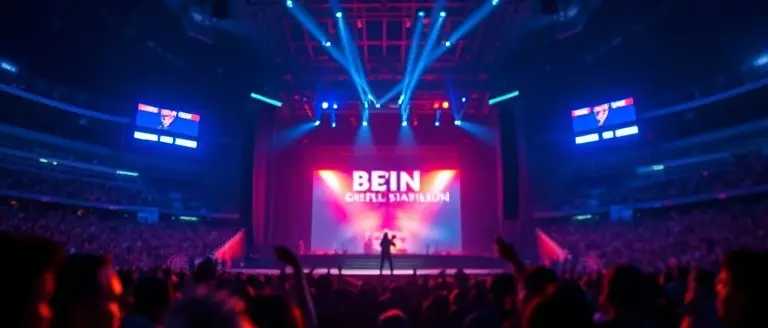
On May 16, 2026, Ben Hill Griffin Stadium—universally known as “The Swamp”—underwent a seismic transformation, shifting from a legendary home for Florida Gators football to a massive, sold-out stage for country music superstar Morgan Wallen. While the stadium is accustomed to high-stakes athletic competition, this off-season event turned the venue into the epicenter of a unique cultural collision between SEC sports tribalism and the entertainment industry. The night reached a fever pitch during the walkout, where none other than Florida icon Tim Tebow escorted Wallen toward the stage. The imagery of a Gators legend walking out a Tennessee Volunteers superfan was designed as a bridge between fandoms, but it quickly became the spark for a viral social media storm.
The Viral Tension: When Rivalry Met Reality
The defining moment of the evening occurred when the audience attempted to engage Wallen in the school’s signature “Gator Chomp.” As a known Tennessee supporter, Wallen’s playful yet firm refusal to perform the gesture triggered an immediate, electrified reaction from the Gainesville crowd. This refusal became the primary driver for current search volume, as fans and critics alike debated the sanctity of stadium traditions during commercial concerts.
Key elements of this viral clash included:
- The Tebow Factor: The involvement of Tim Tebow added an element of authenticity, yet even his presence could not bridge the gap in deep-seated collegiate loyalties.
- SEC Tribalism: The standoff underscored how SEC rivalries transcend the sport, becoming a core component of how fans view celebrity guests.
- Stadium Brand Evolution: The event highlighted how universities are leveraging their stadiums as multi-purpose cultural hubs, forcing an intersection between athletic pride and touring acts.
While the stadium remains the hallowed ground for Florida Gators football, the buzz surrounding this night proves that modern stadiums are evolving. The digital engagement spike was not just about music; it was about the collision of worlds, making the May 16 event a benchmark for how universities might host future high-profile concerts while navigating the intense loyalties of their fanbases.
When SEC Rivalries Meet the Main Stage: The Psychology of the Guest Star
The recent crossover event at Ben Hill Griffin Stadium proved that for Florida Gators football fans, the sanctity of “The Swamp” transcends the sport itself. When global icons like Morgan Wallen—a vocal Tennessee Volunteers supporter—step onto the stage in Gainesville, they are not just performing for a crowd; they are entering a high-stakes arena of SEC rivalries. This phenomenon highlights a fascinating psychological tension: the “loyalty conflict.” Fans treat these guest appearances as extensions of the gridiron, expecting the same tribal allegiance they would demand from a visiting athlete. When a performer like Wallen playfully refuses to perform the iconic “Gator Chomp,” it sparks a viral reaction precisely because it mirrors the intense, unyielding loyalty inherent in college sports culture.
Why Sports Tribalism Dominates Entertainment
The friction observed during the May 2026 concert serves as a microcosm for how modern entertainment is evolving within the SEC footprint. Audiences no longer separate their fandom from their cultural experiences; instead, they seek to project that same game-day passion onto celebrity guests. The compulsion to force a “Gator Chomp” from a rival supporter is a ritualistic power play, reinforcing the dominance of the home venue. This behavior is driven by several factors:
- Territorial Protection: Fans view iconic stadiums not just as music venues, but as symbolic fortresses of their team’s legacy.
- The “Hero” Narrative: Figures like Tim Tebow acting as intermediaries bridge the gap between the music industry and the sacred history of Florida Gators football, raising the stakes for the guest artist.
- Performative Defiance: Much like game-day taunting, the artist’s refusal to participate in team traditions creates a “villain” narrative that enhances the engagement and social media virality of the event.
As major universities continue to leverage their stadiums for high-revenue concerts, this friction will likely become a recurring feature of the touring landscape. The ability to navigate these cultural landmines is what differentiates a standard show from a legendary performance. For the University of Florida, this evolution into a multi-purpose cultural hub ensures that even in the off-season, the intensity of the stadium remains at an all-time high, blending the pageantry of college athletics with the unpredictable energy of live music.
Beyond the Gridiron: Ben Hill Griffin Stadium as a Cultural Landmark
For decades, Ben Hill Griffin Stadium—affectionately known as “The Swamp”—has served as the hallowed home of Florida Gators football. However, the venue is rapidly transcending its primary purpose as an athletic arena to become a premier destination for large-scale concerts and cultural spectacles. The May 2026 appearance of country superstar Morgan Wallen, highlighted by the presence of legends like Tim Tebow and Steve Spurrier, underscores a strategic pivot in how major universities leverage their infrastructure. This evolution suggests that the stadium’s immense historical gravity transforms a standard performance into a must-see, viral cultural event that resonates far beyond the collegiate sports sphere.
The Swamp as a Multi-Purpose Hub
The transition of collegiate stadiums into entertainment powerhouses is driven by both economic necessity and the desire to build a broader brand identity. By hosting global touring acts, the University of Florida ensures that the facility remains a revenue-generating asset throughout the off-season. The unique atmosphere of The Swamp, characterized by its enclosed bowl and intimidating reputation, provides an unparalleled backdrop for artists. This architectural intensity is precisely what turned the recent concert controversy—Wallen’s playful refusal to perform the iconic Gator Chomp—into a viral moment of sports-entertainment friction.
Key factors contributing to this transformation include:
- Cultural Prestige: Leveraging the legacy of Florida Gators football to attract high-profile artists who thrive on the energy of iconic sports environments.
- Economic Diversification: Maximizing the utility of massive, stadium-sized venues to offset operational costs through ticket sales and auxiliary event revenue.
- Social Amplification: Creating content-rich environments where the intersection of SEC tribalism and pop culture generates significant organic reach on social platforms.
As the lines between collegiate athletics and mainstream entertainment blur, Ben Hill Griffin Stadium is proving that its influence is no longer confined to the gridiron. The integration of legendary figures into these events signifies a new era where The Swamp is marketed as a premier cultural landmark for the American South.
Top Moments of Crossover Chaos at SEC Stadiums

The recent spectacle at Ben Hill Griffin Stadium has ignited a broader conversation regarding the intersection of Florida Gators football culture and the booming industry of stadium-sized concerts. As major universities transform their hallowed grounds into multi-purpose entertainment hubs, the collision between die-hard SEC tribalism and international touring stars has become a new frontier for cultural engagement. These events are no longer just music performances; they are high-stakes theatrical productions where sports legacies are put on display.
When Sports Loyalties Clash with Pop Culture
The viral refusal of Morgan Wallen to perform the “Gator Chomp”—despite the presence of Gators legend Tim Tebow—serves as a quintessential example of how sports allegiances survive even in the face of massive entertainment spectacles. This moment of playful defiance highlights the deep-seated rivalry culture that defines the SEC. When artists enter these spaces, they often find themselves caught between their own personal fandoms and the expectations of the home crowd.
Key historical intersections that have defined this crossover include:
- The Steve Spurrier Walkout: The legendary coach’s appearance at the May 2026 concert underscored how Florida Gators football icons are being utilized to bridge the gap between athletics and modern music, effectively “blessing” the stadium for non-sporting use.
- The Jersey Swap Dilemma: Across the SEC, there is a growing trend of musicians wearing the home team’s jersey, often sparking fan backlash if the artist is known to support a conference rival.
- Stadium Transformation: The move to host stadium tours represents a strategic economic pivot, moving away from purely athletic revenue models toward year-round utility that cements these venues as the ultimate cultural landmarks of the American South.
Ultimately, these moments of “crossover chaos” prove that while the venue may shift its primary function for a night of music, the identity of the stadium remains tethered to its identity as a football fortress. As we see more high-profile acts grace the turf, the tension between rival fanbases and global entertainers will likely become a permanent, and highly profitable, feature of the Florida Gators football experience.
Build Your Own Masterpiece with Precision
The transformation of Ben Hill Griffin Stadium serves as a testament to the power of meticulous planning and structural integrity. Whether it is reconfiguring an entire football field to host tens of thousands of concert-goers or managing complex facility upgrades, the underlying success of such massive projects always hinges on having the right blueprints and the technical discipline to execute them. Just as the managers of The Swamp require precise, verified planning to turn a sports arena into a world-class concert venue, your own home projects deserve that same level of professional accuracy to ensure they stand the test of time.
You no longer need to rely on guesswork or ‘good enough’ designs that lead to frustration and wasted materials. By tapping into a professional-grade resource, you gain the clarity needed to approach your workshop endeavors with the confidence of an expert engineer. Our massive library of verified plans removes the technical hurdles, providing the structural foundation required for any high-quality build, perfectly mirroring the precision demanded by stadium-scale transformations.
Stop relying on ‘good enough’ designs and start building with total technical certainty; explore the ultimate library of 16,000 professional workshop plans here.
 Stop relying on ‘good enough’ designs and start building with total technical certainty; explore the ultimate library of 16,000 professional workshop plans here.Transform My Projects Today!